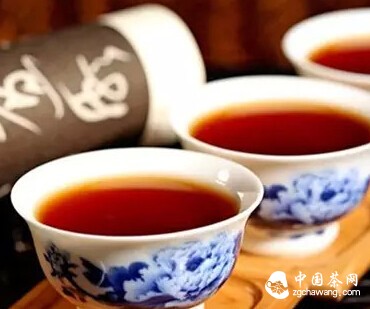
Avoid Drinking Overly Strong Tea
Strong tea can excessively increase the body's "excitability," adversely affecting the cardiovascular and nervous systems. Individuals with cardiovascular diseases may experience tachycardia or arrhythmia after drinking strong tea, which can lead to recurring symptoms.
Avoid Drinking Before Sleep
This is particularly important for beginners. Many people find it difficult to fall asleep after drinking tea before bed, which can severely impact their mental state the next day. Those with neurasthenia or insomnia should take special note.
Avoid Drinking Before Meals
Drinking a small amount of tea before or during meals is generally fine. However, consuming large amounts or overly strong tea can interfere with the absorption of many macroelements (such as calcium) and trace elements (such as iron and zinc). It is especially important to avoid drinking tea while consuming milk or other dairy products. The theophylline and tannic acid in tea leaves can combine with calcium in dairy products to form insoluble calcium salts, which are excreted from the body, significantly reducing the nutritional value of dairy products.
Avoid Drinking After Alcohol
After drinking alcohol, ethanol enters the bloodstream through the gastrointestinal tract and is converted into acetaldehyde in the liver. Acetaldehyde is then converted into acetic acid, which breaks down into carbon dioxide and water before being excreted. Drinking tea after alcohol can cause the theophylline in tea to rapidly induce a diuretic effect on the kidneys, promoting the premature entry of undigested acetaldehyde into the kidneys. Acetaldehyde has a significant irritating effect on the kidneys and can impair renal function. Therefore, individuals who frequently drink strong tea after alcohol are more prone to kidney diseases. Moreover, ethanol in alcohol strongly stimulates the cardiovascular system, while tea also excites the heart. Combining the two intensifies the stimulation of the heart. Thus, individuals with heart conditions face even greater risks when drinking tea after alcohol.
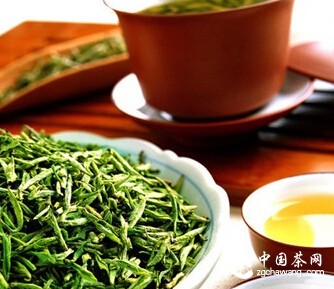
Avoid Drinking Freshly Picked Tea
Fresh tea can irritate the gastric mucosa, causing gastrointestinal discomfort and even worsening existing conditions. From a nutritional perspective, overly fresh tea may not necessarily be the best. Fresh tea refers to leaves picked less than a month ago. These leaves contain substances such as polyphenols, alcohols, and aldehydes, which can adversely affect health if not fully oxidized. Prolonged consumption of fresh tea may lead to discomfort such as diarrhea and bloating.
Do Not Take Medicine with Tea
Some people, especially tea lovers, may choose to take medicine with tea. However, the tannins in tea can combine with medications to form precipitates, altering their properties, hindering absorption, and reducing efficacy. Therefore, medicine should be taken with plain water. This is commonly referred to as "tea neutralizing medicine."
Avoid Drinking Overnight Tea
Overnight tea, having been left standing for too long, is prone to contamination by pathogenic organisms. The complex components in the tea also undergo changes, and drinking overnight tea can lead to gastrointestinal issues. The old saying "overnight tea causes diarrhea" holds true.

Vary Tea with the Seasons
Drink floral tea in spring, green tea in summer, oolong tea in autumn, and black tea in winter. Floral tea in spring helps dispel the cold accumulated in the body during winter and promotes the rise of yang energy. Green tea, with its bitter and cold nature, is ideal for summer, as it clears heat, relieves summer heat, detoxifies, quenches thirst, and strengthens the heart. Oolong tea, neither cold nor hot, is suitable for autumn, helping to eliminate residual heat and restore bodily fluids. Black tea is most ideal for winter. With its sweet and warm nature and rich protein content, it aids digestion, nourishes the body, and strengthens overall health.
Drink Tea in Moderation
Although tea contains various vitamins and amino acids and can help reduce greasiness, stimulate the nerves, aid digestion, and promote diuresis, it is not advisable to drink excessive amounts, nor is it suitable for everyone. Generally, drinking tea once or twice a day, with 2–3 grams of tea leaves per serving, is appropriate. Individuals with neurasthenia, insomnia, hyperthyroidism, tuberculosis, heart disease, stomach issues, or intestinal ulcers should avoid tea. Breastfeeding and pregnant women, as well as infants and young children, should also refrain from drinking tea.
Source: Tea Culture