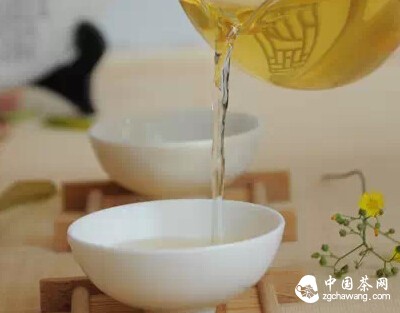
Today's Bingdao tea has already become the 'frontrunner' of Yunnan mountain teas. What has made Bingdao tea the representative of Mengku, Shuangjiang, Lincang in just a few years?
After market research, the most frequent answer heard is the 'Bingdao flavor'. So what is the 'Bingdao flavor'? Let's summarize.
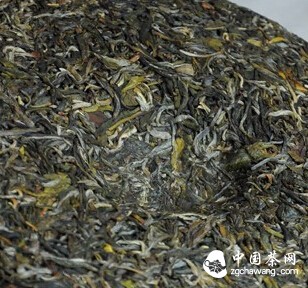
Sweetness:
The characteristic of Yunnan large-leaf varietals is bitterness and astringency. As a member of the large-leaf family, the Mengku varietal also has a strong taste. As the cradle of the Mengku varietal, where has the bitterness and astringency of Bingdao Laozhai gone? At this point, many tea friends propose the word 'dissolve' – the bitterness and astringency 'dissolve' quickly! It turns out Bingdao tea is not without bitterness and astringency, but these sensations 'dissolve' rapidly in the mouth.
Reviewing chemistry knowledge: under certain conditions, the smaller the molecules, the faster the substance decomposes. Looking at the sweetness of Bingdao tea from a chemical perspective: sweet substances mainly fall into two categories: sugars and natural nitrogen-containing compounds (amino acids). Sugars: Sugar exists in tea leaves mainly in three forms: free-state (soluble), bound-state (can be hydrolyzed into available form by hydrolases), and insoluble (cellulose, starch, lignin, pectin). Soluble sugars (including the portion hydrolyzed during tea processing from the bound state) are the main source of sweetness in the tea soup.
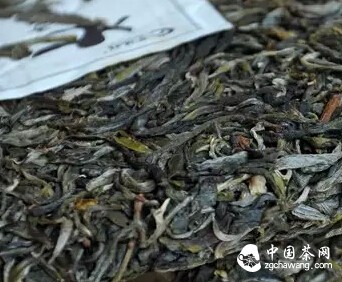
2. Fast Saliva Generation and Returning Sweetness
Saliva generation and returning sweetness are holistic experiences when people drink tea. The speed of saliva generation and returning sweetness is an experience of bodily sensitivity. For now, let's study the tastes in Bingdao tea soup.
Astringency: Main components are polyphenols.
Sweetness: Main components are soluble sugars and some amino acids.
Bitterness: Main components are caffeine, theophylline, anthocyanins, tea saponins.
Remembering the sensations of drinking tea is a basic skill for tea drinkers. 'Astringency generates saliva, bitterness returns sweetness' is a fundamental feeling for tea drinkers.
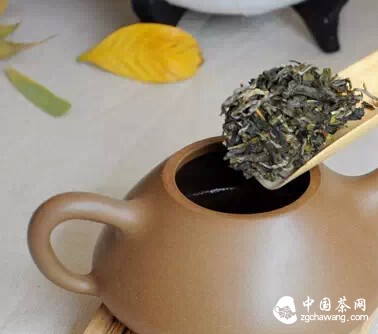
3. Thickness
This is a term describing the soup of Bingdao tea. There are two interpretations: one is the visual thickness of the tea soup poured into a cup, the other is the thick mouthfeel and taste of the tea soup.
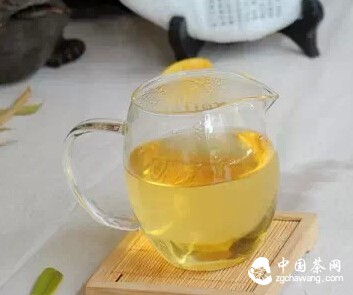
When tea soup is poured into a cup, the viscosity and 'hanging cup' quality of the soup can be clearly felt – this is visual thickness. When the tea soup enters the mouth, sensory organs in the oral cavity also react. Thick, viscous, and heavy is generally simply called 'thick flavor' and indicates good tea. The visual thickness of tea soup comes from two aspects: one is the action of pectin substances in the tea, the other is the action of sugar substances in the tea. According to scientific research, the thickness in mouthfeel is believed to mainly come from sugar substances in the tea.
Why is thick flavor considered good tea? Firstly, as tea tasters, we have general sensory evaluation standards, usually considering thick and heavy as superior to thin and light – this is human instinct and won't be discussed further;
4. Aroma
The aromatic substances in tea leaves are mainly in the stems and main veins of young leaves, and the amino acid content in young stems is higher than in young leaves. The vascular bundles in stems are the main conductive tissues for nutrients and aroma, and most of the substances they contain are water-soluble. During tea processing, aroma transfers from the stems to the leaves along with water evaporation. These substances, after transferring to the leaves, combine and transform with the effective substances in the leaves to form a higher and stronger aromatic quality.
Therefore, aroma is the most unstable factor in tea processing. Just as the chef is the soul of a restaurant, the tea processor determines the tea's aroma. The final decision on the aroma of Bingdao tea still lies in the processing technique.