Whether you are an ordinary person with some tea-drinking habits but not particular about details, or a seasoned tea enthusiast, when you bring Pu-erh tea home, you want to store it properly and give it time to transform. This period is often measured in years, so mastering correct tea storage knowledge and methods is essential.
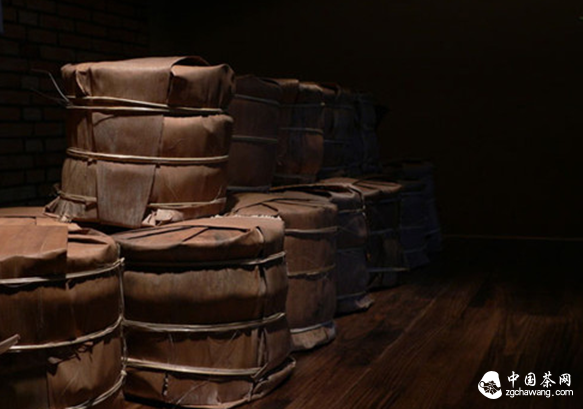
However, the general public's tea knowledge is limited, and they likely don't have the conditions to set up a specialized room to control humidity and temperature like tea factories. Therefore, here, Uncle Bang and Chayu.com (www.chayu.com) will discuss with you the basic and simple storage methods for Pu-erh tea in ordinary households.
Key Issues to Address When Storing Pu-erh Tea
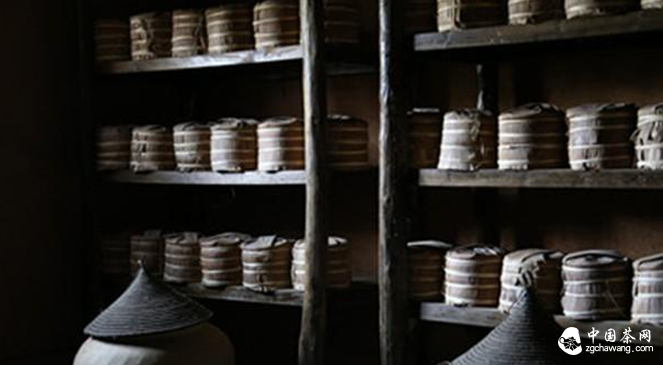
1. Humidity should not be too high or too dry.
Excessive humidity can easily cause tea to deteriorate or mold; if it's too dry, the tea transformation will be too slow.
2. Avoid sudden temperature changes.
First, remember that the place where Pu-erh tea is stored should ideally not have sudden temperature changes. If the temperature is too high or changes too abruptly, it will affect the liveliness of the tea soup's texture and taste.
3. Prevent contamination by odors.
Tea is highly absorbent of odors. Sprinkling a handful of dry tea leaves can absorb unwanted smells from the air. Therefore, strive to keep the storage environment clean and free of miscellaneous odors.
4. Pay attention to avoiding light and ensuring air circulation.
When storing tea, avoid light and ensure ventilation. Under direct sunlight, phenolic substances and chlorophyll oxidize more easily, causing the tea to discolor and deteriorate. Air circulation is beneficial for the proliferation of microorganisms in the tea, thus accelerating its aging.
Solutions to the Problems
1. Regularly measure ambient temperature and humidity.
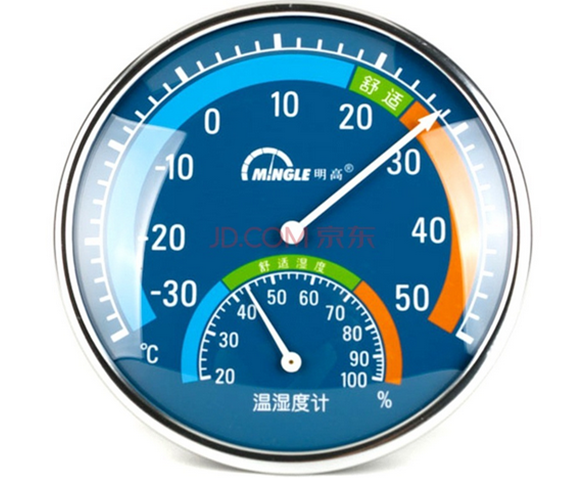
Keep a hygrometer at home to monitor temperature and humidity regularly. If it's too humid, use air conditioning for dehumidification or purchase a small dehumidifier separately. If it's too dry, use a humidifier.
Generally, the best household storage conditions are maintaining a temperature between 20°C and 26°C and humidity between 30% and 80%.
Uncle Bang thinks that when discussing this point, tea friends in the north probably rarely use dehumidifiers. Tea friends in the south need to put in more effort, especially during the rainy season, paying extra attention to timely opening windows for ventilation to dissipate moisture.
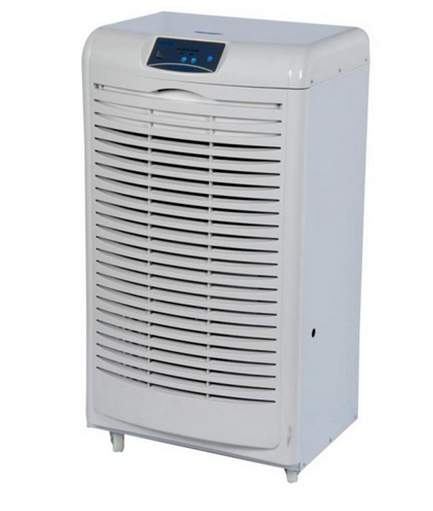
Actually, quicklime is also good for dehumidification, but it's a one-time use; you need to replace it after use. Some people use supermarket moisture absorbers, but those often have a strong fragrance, so they are not recommended.
2. Suggestions regarding storage space.
Waterproofing: If you live on a lower floor, especially in the south, or if there's a possibility of water accumulation in the storage area, do not place the tea directly on the ground. It's best to store it on a shelf.
Odor prevention: When storing tea at home, avoid smoking in the storage space. Keep tea away from bathrooms and kitchens.
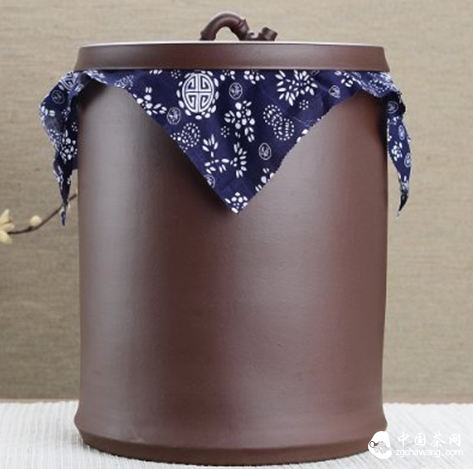
Creating a small storage environment: Generally, households store at least one tong (a bundle) of Pu-erh tea. Typically, some particular veteran tea drinkers choose purple clay jars or earthenware pots for storage because of their good sealing properties, which isolate odors. When storing tea, Uncle Bang suggests placing the original packaging inside as well.
However, regardless of what is used to package and store tea, the key to effective preservation is that the tea itself must be dry, and most importantly, suitable packaging materials must be chosen.
Speaking of good packaging materials, not only must the material be up to standard—free of odors and sturdy enough—but its sealing performance must also meet strict criteria.
So, wouldn't everyone dream of having such a tea packaging that is unaffected by region? As long as it's unopened, you can store it anywhere, however you like, even forgotten in a corner, and it will allow the tea to transform comfortably... Wouldn't that be the perfect choice for home tea storage?
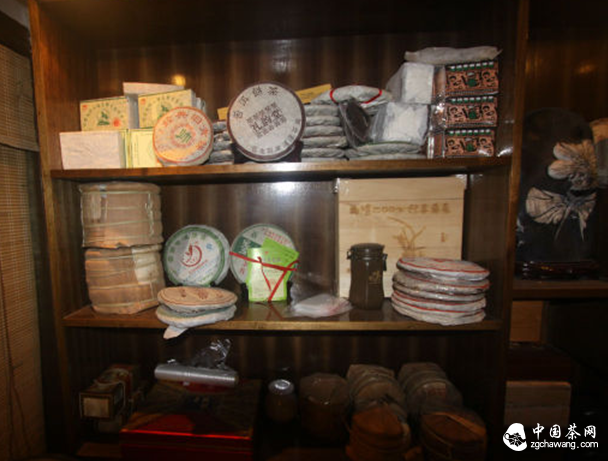
Actually, tea brands selling tea put some effort into their original packaging. Tea makers know that many tea drinkers, especially those buying Pu-erh, are not in a hurry to drink it; they want to let it age for a while to transform. Therefore, the original packaging is often made very considerate and conducive to tea transformation, which is also convenient for everyone.
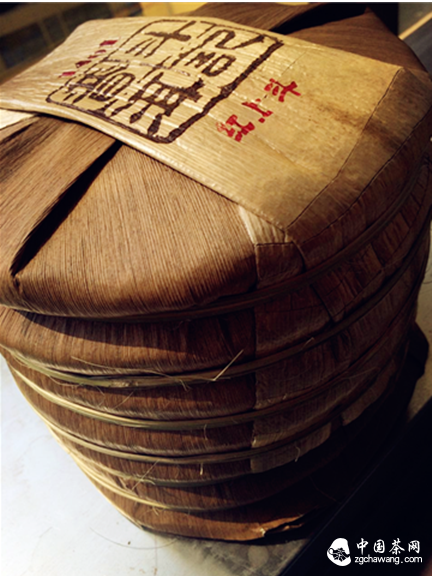
Let's take an exemplary case as an example~ Uncle Bang has bought quite a bit of Douji's tea. When unpacking it, he felt that the packaging was done very seriously and solidly. As a model of tea brand packaging he has encountered, he will only mention the points he most appreciates, which also serves as a discussion on what constitutes good packaging.
One: Bamboo shell bundling into boxes.
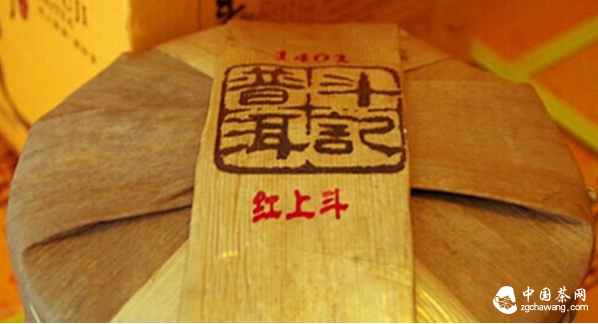
Before leaving the factory, Douji's Pu-erh tea is bound with cleaned bamboo shells and then placed into a single-tong box lined with film. That dreamy, safely sealed mini-warehouse!
Two: The minimum storage unit becomes a small case (two tongs).
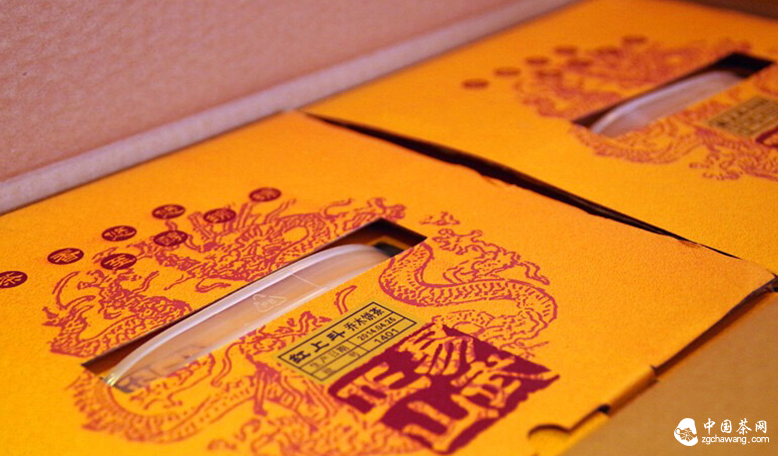
In addition to the film-lined single-tong box, Douji also has small cases containing two tongs, and these small cases are sealed. This, on one hand, better locks in the moisture content of the tea cakes, and on the other hand, reduces the storage quantity while maintaining the original sealing conditions, lowering the storage pressure for tea enthusiasts.
Three: A mini-warehouse for the whole tong of tea.
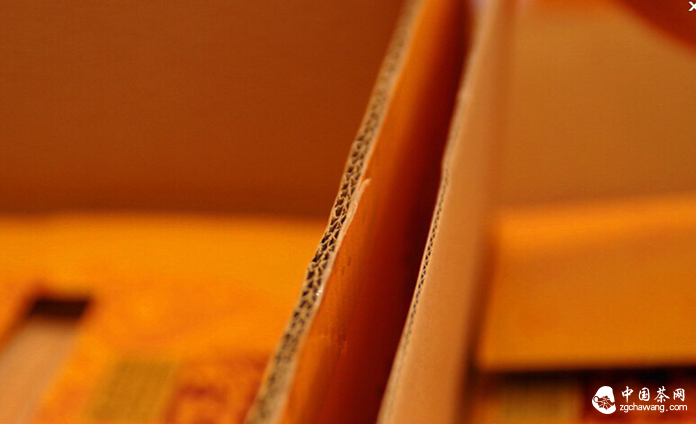
The thickness of the small case board is increased from 3 layers of corrugated paper to 5 layers. This provides stronger moisture-locking functionality, offering a safer mini-storage space for a single tong of tea, minimizing the impact of the external environment to the greatest extent. At the same time, the large case has 3 small holes on each side for ventilation, facilitating the transformation of Pu-erh tea. During humid weather, simply seal the holes, making it convenient and practical.
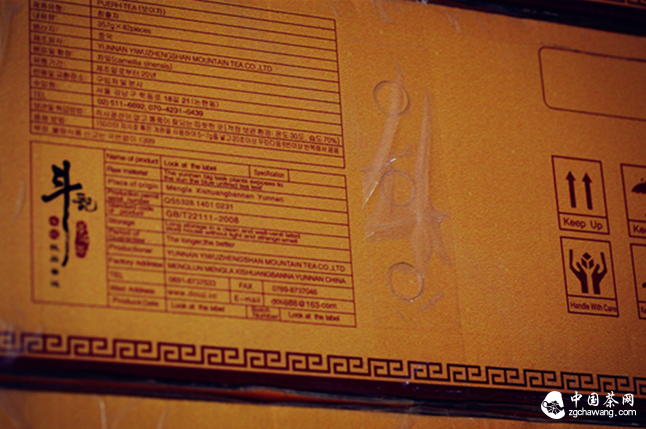
All of Douji's packaging boxes, regardless of size, are lined with film, greatly reducing moisture changes caused by weather conditions. This gives the packaging boxes moisture-isolating and anti-damp functions, minimizing storage differences between the north and south to the greatest extent.
So, Uncle Bang gives Douji a round of applause here. The philosophy of "making tea with heart, making good tea" is fully evident not only in the tea itself but sincerely in the packaging as well. It really feels like as long as I don't soak this mini-warehouse in water, I can practically store it anywhere, solving so many worries about light, humidity, and heat!
A good horse needs a good saddle, and good tea needs good packaging. When buying, friends should choose carefully. Of course, if the tea you buy doesn't have sufficiently secure packaging, storing it at home according to the key points taught earlier by Uncle Bang and the Chayu.com team shouldn't lead to major issues~~
Wishing every tea leaf a perfect journey~