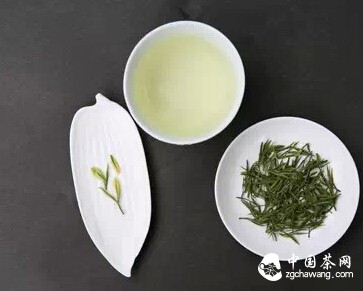
Anji White Tea is clearly called "White Tea," so why does it belong to Green Tea?
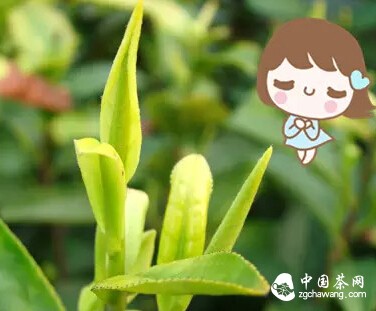
Why does Anji White Tea turn from white to green?
Anji White Tea is a specific tea plant cultivar.
Due to its genetics, the buds and leaves of this cultivar appear yellowish-white and are regulated by temperature. The young shoots are yellowish-white under low-temperature conditions and turn green again as the temperature rises. Therefore, Anji White Tea exhibits whitened buds and shoots in spring and regreens in summer, which is quite charming. Anji White Tea is known for its high amino acid content and is suitable for processing into green tea.
At the same time, the green tea processing technique can preserve the unique whitened appearance of Anji White Tea. Therefore, the Anji White Tea we generally buy is green tea—that is, green tea made from Anji White Tea leaves. According to the new tea classification standard (GBT 30766-2014 Tea Classification) implemented from October 27, 2014, white tea, one of the seven major tea categories, is a type of tea processed using the "withering—drying" method.
So, "Anji White Tea" and "White Tea" are two different concepts: one is a product name, and the other is a tea category name. It's roughly like saying, "I am a green tea, but my name is 'White Tea'!"
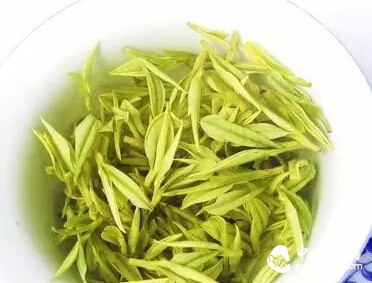
Anji White Tea (white-leaf tea) is a rare mutant tea variety belonging to the "low-temperature sensitive" type, with a threshold around 23°C. The tea plant produces "white tea" for a very short time, usually only about one month. Precisely because the magical Anji White Tea is picked, processed, and made during this specific whitening period, the brewed tea leaves also show a jade-white color, which is a unique characteristic of Anji White Tea.
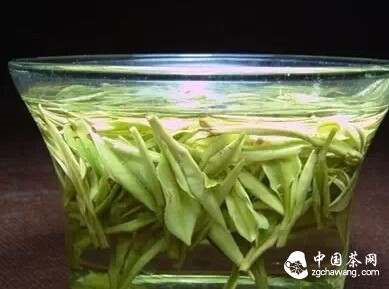
How to brew this 'green tea'?
Since Anji White Tea uses tender raw materials with relatively thin leaves, the water temperature for brewing should not be too high; it is generally best controlled between 80-85°C.
Use a transparent glass cup or a transparent glass lidded bowl to brew Anji White Tea. Through the glass, you can fully appreciate the various postures of Anji White Tea in the water, savor its taste, smell its aroma, and observe its unique character of white leaves and green veins.
In addition to the brewing cup, preparing Anji White Tea also requires: a glass water kettle, a water viewing bottle, a bamboo tea tray, a tea coaster, a tea holder, a tea spoon, tea tweezers, a tea towel, and a white porcelain draining tray, among other utensils.