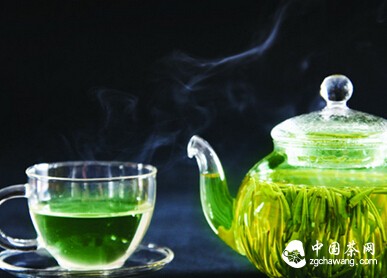
White tea and green tea are both among the six major tea categories in China. When it comes to green tea, many people are quite familiar with it, but when it comes to white tea, many are unfamiliar and may not even know what white tea is. Green tea is made from suitable fresh tea shoots through typical processes such as fixation and drying. Its dry tea leaves, brewed tea soup, and brewed leaves are predominantly green, hence the name green tea. White tea, as the name suggests, has a white appearance. It is a specialty of China, produced in counties like Fuding, Zhenghe, and Jianyang in Fujian Province.
White tea has plump buds, a bright yellow liquor, a fresh and mellow taste, and tender, even brewed leaves. The main varieties of white tea include Silver Needle, White Peony, Gongmei, and Shoumei. Especially Silver Needle, which consists entirely of bud tips covered with white down, stands straight like needles. Among many teas, it is one of the most beautiful in appearance and is highly cherished. Its liquor is light yellow, fresh, mellow, and refreshing, leaving a delightful aftertaste.
Green tea retains more of the natural substances from fresh leaves, with tea polyphenols and caffeine retaining over 85% of the fresh leaf content, chlorophyll retaining about 50%, and minimal loss of vitamins. The natural components preserved in green tea have special effects in preventing aging, fighting cancer, and reducing inflammation, which are unmatched by other teas.
Compared to green tea, white tea has a higher content of tea polyphenols, which are natural antioxidants that can help boost immunity and protect cardiovascular health. White tea also contains essential active enzymes for the human body, which can promote fat breakdown and metabolism, effectively control insulin secretion, break down excess sugar in the blood, and promote blood sugar balance, making it a beauty-enhancing product.