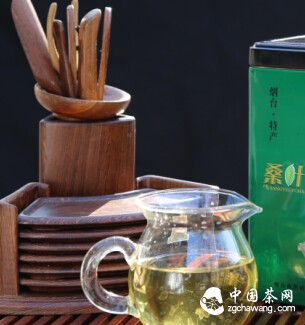
Tea has antibacterial, anti-inflammatory, and astringent effects, mainly due to the tea polyphenols it contains. Shennong's "Herbal Classic" states: "Shennong tasted hundreds of herbs, encountered seventy-two poisons in a day, and was relieved by Tu (tea)." Although this is a myth, the experience that drinking tea can reduce inflammation and detoxify has been accumulated by working people over time. According to research, tea polyphenols inhibit the growth of Escherichia coli, Staphylococcus, and Pneumococcus. In hot weather, "noon tea" is used to treat heatstroke; folk remedies use a tea-ginger mixture to treat red and white dysentery; doctors give green tea to postoperative patients to promote wound healing; in rural areas, it is customary to wash festering wounds with tea juice to prevent inflammation, etc. All these utilize tea's anti-inflammatory and astringent properties.
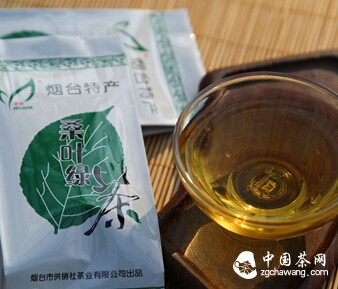
Why does tea have an astringent effect? Because tea polyphenols can coagulate proteins. Bacteria are largely composed of proteins, and when tea polyphenols bind with bacteria, they coagulate and denature. Studies show that immersing Vibrio cholerae in strong tea broth for more than six minutes causes most bacteria to lose activity. Tea tannin, a pale yellow-white powder, can decompose and expel toxins such as lead, zinc, and alkaloids. In areas with poor water quality, water may contain plant-based toxins. Tea polyphenols can coagulate suspended matter in water, causing it to precipitate, thus preventing infectious diseases like cholera, gastroenteritis, typhoid, and red and white dysentery. Therefore, during dry seasons, when drinking water is turbid, or during marching, exploration, or travel, tea is an indispensable companion for protecting health. This is one reason why people living in desert areas particularly cherish tea.