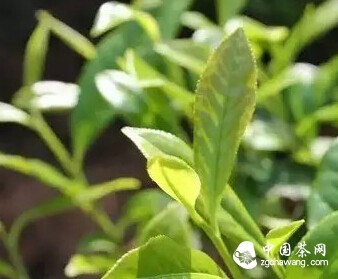
Spring tea generally refers to tea leaves made from the first buds sprouted by tea plants after overwintering. In China, the understanding of spring tea is mainly divided by time. Tea leaves picked and processed between the Beginning of Spring and before the Grain Rain are broadly referred to as "spring tea." As the spring tea season arrives again, and since new tea is considered better, how does one identify spring tea? Today, Brother Tie teaches everyone a few tips—how to identify spring tea?
What is Spring Tea?
Spring tea generally refers to tea leaves made from the first buds sprouted by tea plants after overwintering. In China, the understanding of spring tea is mainly divided by time. Tea leaves picked and processed between the Beginning of Spring and before the Grain Rain are broadly referred to as "spring tea."
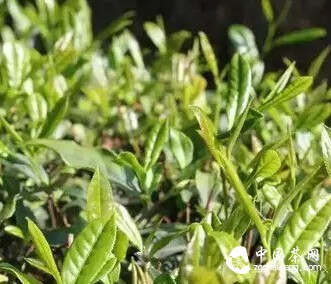
Furthermore, there are different classifications for spring tea. Some literature refers to tea from the Pure Brightness to Grain Full period as spring tea, some consider tea picked before the end of May as spring tea, and other literature states that spring tea refers to tea picked and processed from late March to mid-May.
Spring tea is further divided into early spring tea, mid-spring tea, and late spring tea. Early spring tea refers to tea produced from the Beginning of Spring to ten days before the Pure Brightness festival; mid-spring tea refers to tea produced within ten days before and after the Pure Brightness festival; late spring tea refers to tea produced from ten days after Pure Brightness to before Grain Rain. After this, tea produced at the Grain Rain period is no longer called spring tea but should be called early summer tea. Anxi Tieguanyin spring tea is generally picked and made from late April to mid-May, with large quantities of Tieguanyin hitting the market almost by mid-May.
Since new tea is better, how does one identify spring tea?
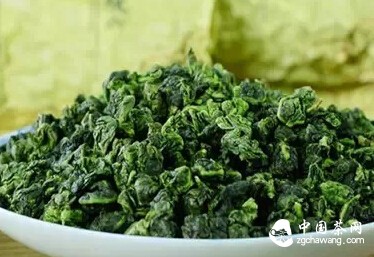
1. From the appearance, new tea has a fresh, bright green color with luster, tightly rolled strips, and obvious pekoe (white hairs). Old tea has a duller color, lacks luster, and the pekoe is less apparent.
2. In terms of aroma, new tea has a high, lively, and fresh fragrance. Old tea has a low, stuffy aroma lacking freshness and exhibits a stale taste. Poorly stored old tea may even develop mold, producing various off-odors.
3. Regarding moisture content, you can pinch it with your fingers. New tea has low moisture content, loose strips, and is hard and brittle. Old tea has higher moisture content, feels soft and damp to the touch, and cannot be crushed into powder by pinching.
4. After brewing, new tea yields a liquor that is bright green and clear, with a high, lasting aroma, a fresh and strong taste, and bright green infused leaves. Old tea yields a liquor that is pale yellow, less bright, with a lower and less refreshing aroma, a taste lacking freshness and being relatively bland, and infused leaves that are not bright green but rather dull.