1. It's best not to forcibly compare Pu-erh tea with other types of tea you've drunk before. This is because: Comparing aroma—Pu-erh cannot match oolong Tieguanyin, scented tea, or green tea; comparing production processes—Pu-erh's process is relatively simpler than other teas; comparing price—be cautious of Pu-erh prices on Taobao that are far below market rates!
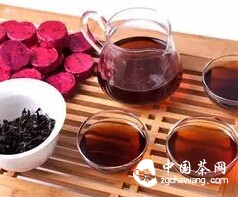
2. To understand Pu-erh, observe more, ask more, drink more (preferably by sampling tea often), and spend less (don't buy immediately upon seeing it).
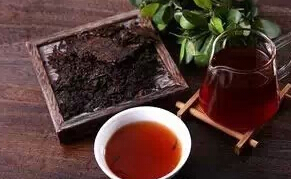
3. Do not expect value appreciation through collection, as that will only lead you astray.
4. Only after gradually accumulating experience can you find genuine aged tea. Do not immediately pursue old, vintage tea products.
5. Do not blindly trust large factories or big brands, nor casually dismiss small factories or lesser-known brands. Large factories and big brands can also produce 'junk,' while small factories and lesser-known brands may yield good tea.
6. Do not be fooled by flashy, luxurious, or high-end packaging. Focusing on the intrinsic quality of the tea is what matters.
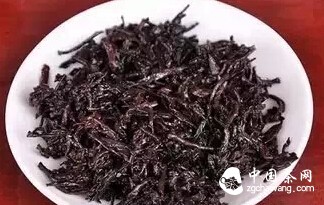
7. Stay away from the lure of terms like 'wild,' 'century-old,' 'ancient tree,' or 'collector's edition.' These are often marketing gimmicks from merchants, mostly containing false elements.
8. My advice is: ripe Pu-erh tea is not suitable for long-term collection; finish drinking it within five or six years.
9. 'Aging improves flavor' is a characteristic of Pu-erh tea, but only good processing, quality raw materials, and proper storage methods will allow the tea to achieve this goal.
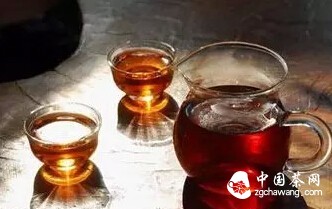
10. Pu-erh tea has health benefits, but it is not medicine and should not be consumed excessively. Choose raw or ripe tea varieties based on individual suitability. Pu-erh tea is not mysterious; it is both simple and complex. Its simplicity lies in the tea itself—as defined, Pu-erh tea is made from sun-dried large, medium, and small-leaf tea varieties from the Lancang River basin in Yunnan, processed through loose tea or compressed forms, or special production methods to create post-fermented products. Its complexity arises from artificial hype, which has shrouded Pu-erh in mystery, leaving many beginners confused and vulnerable to misleading claims from unscrupulous tea merchants.
Source: Tea Art