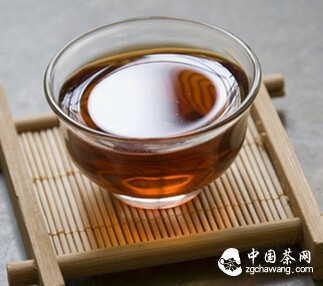
The benefits of drinking tea need not be listed one by one, as you likely already know them well. Beauty, healthcare, weight loss, body nourishment, and cultivating one's character, among others. However, in daily life, we may only be aware of the various advantages of tea while knowing nothing about its drawbacks. Today, the editor will point out several tea-drinking methods that harm the kidneys. Let us drink tea healthily, love tea healthily, maximize the effects of tea leaves, and protect our own well-being.
According to research, tea contains over 600 chemical components, five major categories of which are highly beneficial nutrients for the human body. Yet, in everyday life, people also hold many misconceptions about tea, which may pose health risks.

Misconception One: Strong Tea as a 'Hangover Cure'
Some believe that drinking strong tea after alcohol can 'sober up,' but this is a misunderstanding.
After drinking alcohol, ethanol from the alcohol enters the bloodstream through the gastrointestinal tract, is first converted into acetaldehyde in the liver, then into acetate, and finally broken down into carbon dioxide and water, which are excreted through the kidneys.
Drinking strong tea after alcohol, however, causes the caffeine and other substances in tea to quickly exert a diuretic effect, promoting the premature entry of acetaldehyde (a substance that strongly irritates the kidneys) into the kidneys before it is decomposed into acetate, thereby damaging the kidneys.
Misconception Two: Savoring New Tea for 'Elevation of Mind'
New tea refers to tea leaves picked less than a month ago. Such tea is superior in shape, color, and taste, and drinking it is indeed a pleasure. However, because the tea leaves have been stored for too short a time, they contain high levels of polyphenols, alcohols, and aldehydes. Drinking new tea over an extended period may lead to symptoms like abdominal pain and bloating.
Simultaneously, new tea also contains highly active tannic acid and caffeine, among others. Excessive consumption of new tea can overstimulate the nervous system, resulting in symptoms such as limb weakness, cold sweats, and insomnia—known as 'tea drunkenness.'
Misconception Three: Drinking Tea Raises Blood Pressure
Tea has effects such as anticoagulation, promoting dissolution, inhibiting platelet aggregation, regulating blood lipids, increasing high-density lipoprotein in the blood, and improving the ratio of cholesterol to phospholipids in the blood. It can prevent cholesterol and other lipid plaques from depositing on blood vessel walls, thereby preventing coronary artery narrowing. Particularly, tea contains catechins, which can lower cholesterol levels in the human body, reduce blood lipids, and consequently lower blood pressure.
Therefore, drinking tea can prevent and treat cardiovascular diseases.
Misconception Four: 'Tea Cures All Ailments'
Some believe that tea is not only a safe beverage but also a good remedy for diseases. Unbeknownst to them, tea is not suitable for some patients, especially strong tea. The caffeine in strong tea can cause excitement, insomnia, and increased metabolic rate, which is not conducive to rest.
It can also increase heart rate in patients with hypertension, coronary heart disease, kidney disease, etc., even causing arrhythmia and frequent urination, thereby加重ing the burden on the heart and kidneys.
Furthermore, caffeine can stimulate gastrointestinal secretion, which is unfavorable for the healing of ulcers; while the tannins in tea have an astringent effect, slowing intestinal peristalsis and worsening constipation.