
As spring returns to the earth, early spring green tea from many places is being harvested one after another, and tea lovers can't wait to buy and taste the fresh leaves.
In spring, temperatures gradually rise, rainfall is relatively sufficient, and coupled with the tea bushes' winter rest, the spring tea buds become plump, emerald green in color, with soft leaves and rich internal substances. The relatively low temperatures in spring are conducive to the synthesis and accumulation of nitrogenous compounds. As buds sprout in early spring, to promote cell growth, amino acids in the tea plant gather in large quantities in the buds and young leaves, resulting in strong aroma and flavor, particularly fresh and refreshing, and rich in health preservation effects. The low spring temperatures and slow metabolism mean that substances such as tea polyphenols, anthocyanins, alcohols, aldehydes, and acids are present in smaller amounts, thus the bitterness is relatively light.
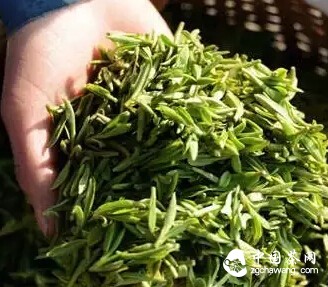
Spring temperatures are low, and there are fewer pests and diseases, so pesticides are generally not sprayed, resulting in less pesticide contamination in early spring tea.
Although early spring tea is delicious, one should not blindly seek "newness." Freshly roasted tea should not be drunk immediately. From a nutritional perspective, new tea that hasn't been stored for a period contains relatively high levels of caffeine, active alkaloids, and various aromatic substances that can adversely affect the body, easily exciting the nervous system, which is particularly unfavorable for people with neurasthenia or cardiovascular diseases. New tea also contains high levels of unoxidized polyphenols, aldehydes, and alcohols, which strongly irritate the gastrointestinal mucosa. People with poor gastrointestinal function may experience symptoms like dry mouth and throat, abdominal pain, and constipation after drinking it. Those who rarely drink tea may also experience dizziness, insomnia, fatigue, sweating, frequent urination, and other symptoms of "tea drunkenness syndrome."
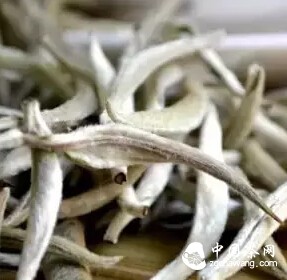
Therefore, new tea must be stored for a period before drinking and should not be consumed hastily or in large quantities. It should be stored for at least half a month, allowing some of the polyphenols, aldehydes, and alcohols in the tea leaves to volatilize or oxidize, and the activity of caffeine, alkaloids, or aromatic substances to decrease. Only then can it achieve the effect of "green color, clear soup, high fragrance, and mellow taste," and be safe and beneficial to health when consumed.
Additionally, early spring tea is "tender and delicate." When brewing, the water temperature should not be too high to ensure the tea soup is fresh and pleasant while retaining its nutrients.