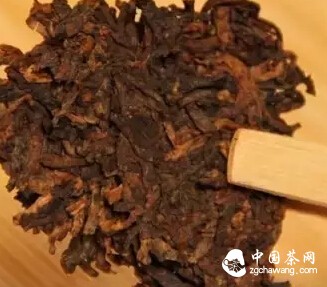
Advantages of Ripe Tea:
1. Health Benefits.
Pu-erh tea undergoes fermentation, producing more unknown beneficial bacterial communities. These communities give ripe tea greater health benefits than raw tea. Pu-erh tea is a healthy beverage, and ripe Pu-erh tea has higher health efficacy than raw tea. Therefore, for those looking to drink Pu-erh tea for weight loss (lowering blood pressure, blood lipids, blood sugar, anti-cancer, anti-radiation, anti-aging, sobering up, etc.), ripe tea is the preferred choice.
2. Mellow Taste.
Compared to raw Pu-erh tea, ripe tea is relatively mild.
Apart from the above two points, it is difficult to find other advantages of ripe tea in the minds of the general public.
Disadvantages of Ripe Tea:
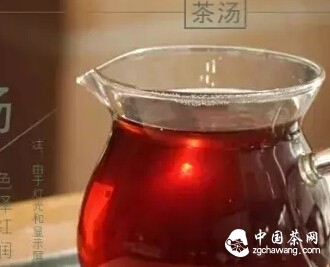
1. Brewing is troublesome. Pu-erh tea is generally a troublesome tea to prepare, not only due to its compressed processing but also related to the raw materials of Pu-erh tea. Compressed tea is more cumbersome to drink, which is a common issue for both raw and ripe tea. However, ripe tea is even more troublesome because if not careful during brewing, the soup can become as thick as soy sauce and undrinkable. Additionally, ripe tea requires more specialized tools than raw tea.
2. Unpleasant taste. Some people find the taste of ripe tea good, while others do not. Generally, consumers' perception of tea is shaped by green tea. Any taste outside the range of green tea is considered "not tea." Therefore, ripe Pu-erh tea, judged by green tea standards, is often seen as non-tea. People accustomed to green tea usually feel unnatural when drinking ripe tea. Another group finds ripe tea too bland and lacking in tea flavor.
3. Hygiene and safety. Hygiene is one of the most criticized aspects of Pu-erh tea. The fermentation process of ripe tea is more complex than producing raw tea, and hygiene control has long been criticized by consumers and competitors. Of course, most Pu-erh tea companies have now passed mandatory QS quality standards, and hygiene issues have been largely resolved. However, some consumers still harbor concerns.
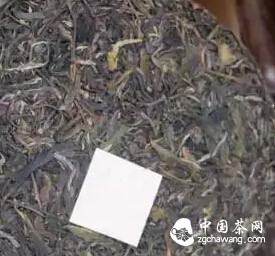
Advantages of Raw Tea:
1. More like traditional tea. In China, where green tea consumption dominates, consumers are accustomed to the taste profile created by green tea. Raw Pu-erh tea is not very different from green tea, so consumers generally feel they are "drinking tea" when having raw tea, a feeling not provided by ripe tea.
2. Relatively simple to drink. Raw tea can be brewed directly in a cup with hot water, similar to green tea.
3. Raw tea can be stored long-term. This point is not very significant for ordinary consumers.
Disadvantages of Raw Tea:
Astringent taste. For most people, raw Pu-erh tea is processed directly from sun-dried green tea. Combined with the high content of tea polyphenols in Pu-erh, it may lack aroma or taste unpleasantly astringent and hard to swallow.
For consumers, I cannot give definitive advice. Pu-erh tea offers too many possibilities and comes in various forms and functions. Therefore, the choice of Pu-erh tea products should be based on individual needs.