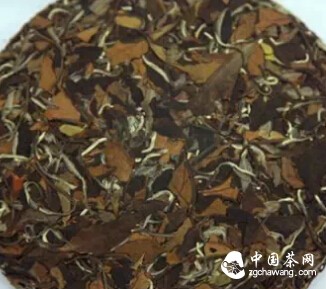
White tea is first mentioned in Lu Yu's "The Classic of Tea" from the Tang Dynasty, which records: "There is a white tea mountain three hundred li east of Yongjia County." White tea is a treasure among teas, a remarkable tea with excellent medicinal properties. It grows in shrubs, forests, on rocks, and along rivers at altitudes of 400–1300 meters in regions such as Yunnan, Guangxi, Guangdong, Jiangxi, Hunan, Hubei, Guizhou, and Fujian. Based on different plucking standards, white tea can be divided into bud tea (Baihao Yinzhen) and leaf tea (White Peony, Gong Mei, Shou Mei).
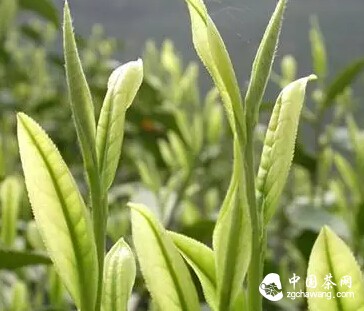
Branch One: Baihao Yinzhen
Description: Made exclusively from single buds of the Da Bai tea plant, the finished product is Baihao Yinzhen.
Characteristics: True to its name, Baihao Yinzhen features plump buds, substantial weight, and a full covering of white hairs. Its silvery-white, bright, and shiny appearance glimmers like silver. The buds are nearly an inch long, straight and round, with green stems and a hook-like shape as delicate as a needle and as tender as a sparrow's tongue. It is often called the "Beauty" or "King of Teas." The aroma is fresh and rich with a distinct milky note, the taste is refreshing and slightly sweet, and the liquor is apricot-yellow and bright.
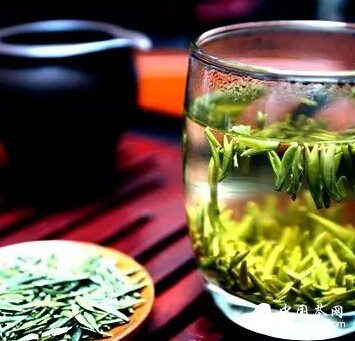
Branch Two: White Peony
Description: Made from one bud with two or three leaves of the Da Bai or Shui Xian tea plant, the finished product is called White Peony. The well-known "Peony King" refers to high-quality White Peony, which requires strict standards for fresh leaves, typically plucking tea buds and the first leaf or first two leaves.
Characteristics: White Peony is the "darling" of white teas. Its leaves wrap around the bud, resembling a flower. When brewed, the green leaves cradle the tender bud, evoking a peony bud beginning to bloom—elegant and understated. Due to prolonged withering, the leaves gradually turn green with reddish veins, earning it the reputation of "red attire over a plain base."
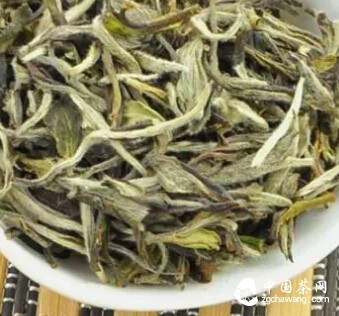
Branch Three: Gong Mei
Description: Made from one bud with two or three leaves of the Cai Cha tea plant, the finished product is called Gong Mei.
Characteristics: Gong Mei has relatively plump buds and slightly thicker leaves. Its aroma is clean and mellow with a noticeable milky fragrance. The liquor is light orange-yellow, clear, and tastes fresh, sweet, and brisk. The brewed leaves are soft, bright, and rich in buds.
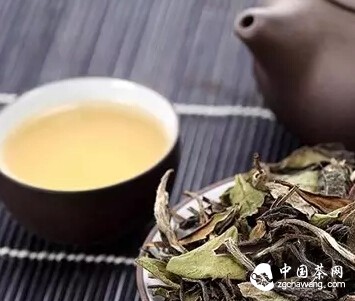
Branch Four: Shou Mei
Description: Made from the tender leaves remaining after the buds are plucked for producing Baihao Yinzhen, a process called "bud extraction."
Characteristics: Shou Mei tea does not contain buds. Its color is grayish-green with a yellowish tint. The aroma is low with a grassy note, the taste is light, the liquor is pale apricot-green, and the brewed leaves are yellowish-green and coarse.