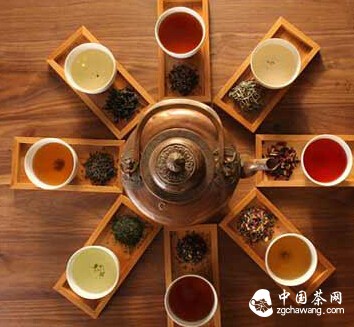
We often drink tea in our daily lives, and some friends even have the habit of drinking tea every day. But are the leftover tea leaves all thrown away? Doing so occasionally doesn't feel wasteful, but if it happens every day, it's truly a pity for the tea leaves. In fact, leftover tea is also a nourishing treasure. If possible, don't forget to save the leftover tea after drinking, as it has many clever uses.
Below, Daodaojun will tell you some clever uses for leftover tea leaves, allowing you to enjoy the aroma of the tea and then use the leftover leaves and tea water to help solve some practical problems in our lives.
1. Tea can cleanse the skin. The vitamins and tea polyphenols contained in tea have a healthcare effect on the skin. For rashes caused by internal heat or skin itching on the face, washing with leftover tea water can smooth the skin and prevent spots and dullness.
2. Washing hair with leftover tea can also relieve scalp dampness and itching, and can make hair black and shiny.
3. For tired, red, and congested eyes, you can also wash them with leftover tea water.
4. As the weather gets hotter, the dampness-removing effect of tea leaves can remove sweat and sticky feeling from a damp neck, prevent eczema, and is most suitable for the elderly and children. Note: Tea leaf pillows should be aired frequently.
5. After eating raw onions or garlic, you can chew tea dregs to eliminate the onion and garlic odor.
6. Leftover tea leaves can remove fishy and onion odors from containers.
7. Using leftover tea leaves to wipe greasy pots, bowls, or wooden/bamboo tables and chairs can have a cleaning effect.
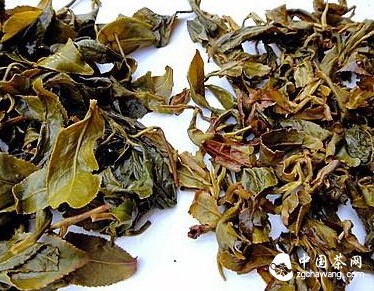
8. Tea leaves have a strong adsorption effect, so sprinkling dried tea leaves in damp areas can remove moisture.
9. Sprinkle tea leaves on carpets or rugs, then sweep them away; the tea leaves can take away all the dust. The adsorption effect of tea leaves can not only absorb moisture but also adsorb dust.
10. Soak leftover tea leaves in water for a few days, then pour it on plant roots to promote plant growth. Note: It's best not to pour tea leaves directly into flower pots, as it's hard to clean and can cause odor, pests, and rot.
11. Dry leftover tea leaves and burn them in toilets or ditches to eliminate foul odors and also repel mosquitoes.
12. Dried leftover tea leaves used as shoe inserts can remove damp sweat and odor, reducing foot odor troubles.
13. After burning a finger, soaking it in leftover tea can relieve the burning pain.
14. Putting leftover tea leaves at the bottom of the refrigerator can eliminate refrigerator odors.
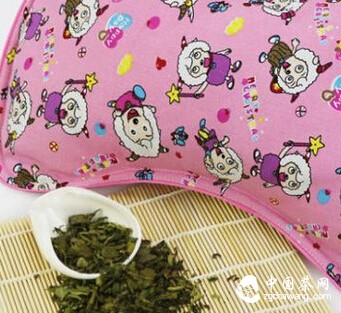
15. Dry leftover tea leaves, collect them, and you can even make a pillow. It smells fragrant and can reduce internal heat. It can not only purify the unpleasant odors produced by human breathing during sleep and dust mites in the air, but the soft tea leaves can also absorb nighttime noise. If someone finds a tea leaf pillow too soft, that's easy to fix—just make a thin one like a pillowcase and place it on top of a large pillow. Note: The tea leaves used as pillow filling must be thoroughly dried. Also, this type of pillow is prone to moisture, so it needs to be aired frequently.
16. Heating leftover tea can remove irritating smoke odors.
17. Leftover tea can be used to wipe mirrors, glass, furniture, doors, windows, mud stains on leather shoes, etc., with good cleaning effects.
18. In the morning, you can use overnight tea that hasn't changed significantly in taste to brush your teeth and rinse your mouth, which can prevent gum bleeding and has antibacterial and anti-inflammatory effects.
19. Using foot soak water made from leftover tea leaves to soak feet can remove odors and also aid sleep.