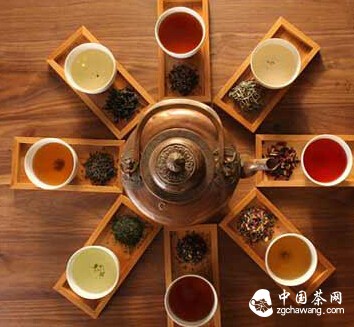
Which tea is more beneficial for health?
Which tea is more beneficial for health cannot be answered simply in one sentence. This is because different teas have varying nutritional and medicinal components, making them suitable for people with different physical conditions. For example, those who are physically weak may benefit from drinking black tea with added sugar and milk, which provides energy and supplements nutrition. Young adults in their developmental stage are better off drinking green tea. Women before and after menstruation or during menopause, who may experience irritability, can drink scented tea to soothe the liver, relieve depression, regulate qi, and balance menstruation. Those who are overweight and wish to lose weight can drink more oolong tea or tuo tea. People who consume large amounts of beef and lamb year-round can drink more brick tea or compressed tea that has undergone post-fermentation, as it aids in the digestion of fatty foods. Individuals frequently exposed to harmful substances can choose green tea as a protective beverage. Mental workers, soldiers, drivers, athletes, singers, broadcasters, actors, etc., can drink high-grade green tea, such as various premium green teas, to enhance mental agility, maintain clarity and alertness, and improve thinking, judgment, and memory.
If we compare the nutritional and medicinal components of various teas, high-grade green tea is superior to other types. For instance, the content of vitamin C, B1, B2, minerals like phosphorus, potassium, and zinc, as well as tea polyphenols, is generally higher in high-grade green tea than in other teas. Therefore, from a nutritional and health perspective, drinking high-grade green tea is more beneficial for health.
How much tea should one drink per day?
The amount of tea to drink depends on factors such as tea-drinking habits, age, health status, living environment, and customs. Generally, healthy adults with a regular tea-drinking habit can consume about 12 grams of tea per day, divided into 3-4 brews. For those with high physical labor intensity, greater consumption, and larger food intake, especially those working in high-temperature environments or frequently exposed to harmful substances, drinking about 20 grams of tea per day is also appropriate. People who consume more greasy food, smoke, or drink alcohol can also increase their tea intake appropriately. Pregnant women, children, individuals with neurasthenia, and those with tachycardia should reduce their tea consumption accordingly.
Is drinking strong tea good?
Strong tea refers to tea brewed with an amount exceeding the standard (3-4 grams per cup). Strong tea is not suitable for many people. For example, drinking strong tea at night can easily cause insomnia. Individuals with tachycardia, gastric ulcers, neurasthenia, or weak and cold stomachs should not drink strong tea, as it may worsen their conditions. Drinking strong tea on an empty stomach is also not advisable, as it often causes stomach discomfort and sometimes even symptoms like palpitations and nausea, leading to "tea drunkenness." If "tea drunkenness" occurs, eating one or two candies and drinking some warm water can alleviate the symptoms. However, strong tea is not entirely off-limits. Tea of a certain concentration has benefits such as clearing heat and detoxifying, moistening the lungs and resolving phlegm, strengthening the heart and promoting diuresis, and sobering up and aiding digestion. Therefore, for those with damp-heat conditions or who smoke or drink excessively, strong tea can help clear heat, detoxify, and aid in sobering up. After consuming excessive amounts of greasy food, strong tea can help with digestion and removing greasiness. For people with oral inflammation or sore throat, drinking strong tea has anti-inflammatory and antibacterial effects.
Can overnight tea be drunk?
There was once a myth that overnight tea should not be drunk because it could cause cancer, as it was believed to contain secondary amines that could convert into the carcinogen nitrosamine. However, this claim is not scientifically supported. Secondary amines are widely present in many foods, especially in cured and preserved products. For example, bread typically contains 2mg/kg of secondary amines. If bread is a staple food, the daily intake of secondary amines from bread alone is 1-1.5mg. In comparison, the amount of secondary amines ingested from tea is only 40% of that from bread, which is negligible. Moreover, secondary amines themselves are not carcinogenic; they require the presence of nitrates to form nitrosamines, and only when reaching a certain level do they become carcinogenic. Drinking tea provides tea polyphenols and vitamin C, which effectively inhibit the synthesis of nitrosamines in the body and act as natural inhibitors. Therefore, drinking tea or overnight tea does not cause cancer.
However, from a nutritional and hygienic perspective, tea exposed to air for too long can easily breed spoilage microorganisms, causing the tea to spoil and deteriorate. Additionally, nutrients like tea polyphenols and vitamin C in tea oxidize and decrease over time. Therefore, while overnight tea is not harmful, it is generally better to drink tea freshly brewed.
Canned tea beverages on the market are safe to drink, as they are produced with added antioxidants and undergo strict sterilization, similar to other cold beverages.
How many times should a cup of tea be brewed?
The number of times tea can be brewed varies depending on the type of tea. In daily life, it is often observed that very tender high-grade tea is not very durable and usually loses its flavor after two brews. Ordinary black and green teas can typically be brewed 3-4 times. The durability of tea is related to its tenderness but, more importantly, depends on the integrity of the processed tea leaves.
The more finely broken the tea leaves, the easier it is to extract the tea juice, while coarser and more intact tea leaves release tea juice more slowly. However, regardless of the type of tea, the first brewing extracts over 50% of the soluble substances. The second brewing generally extracts about 30%, the third about 10%, and the fourth only 1-3%. From a nutritional perspective, 80% of vitamin C and amino acids in tea are extracted in the first brewing, and over 95% are extracted by the second brewing. Other effective components, such as tea polyphenols and caffeine, are also extracted in the largest amounts during the first brewing, with almost complete extraction achieved after three brewings. Thus, for ordinary black, green, and scented teas, three brewings are generally sufficient. Oolong tea, due to the larger amount of leaves used during brewing, can be brewed more times. Bagged tea made from broken black tea is suitable for one-time brewing, as it extracts easily.
How to arrange tea drinking if there are multiple types of tea at home?
Some people drink different types of tea at different times of the day. For example, they might drink a light cup of high-grade green tea in the morning to refresh the mind; a cup of jasmine tea in the morning to boost mood and work efficiency; a cup of black tea in the afternoon to combat drowsiness and refresh themselves; a cup of milk tea or high-grade green tea with snacks during an afternoon break to supplement nutrition; and in the evening, gather with friends or family to brew a pot of oolong tea while chatting, adding a unique charm to the occasion. If you are interested, you might try this clever arrangement of tea drinking throughout the day.
Why do some people like to add ingredients like wolfberries, American ginseng, white chrysanthemums, orange peel, or mint to their tea?
Brewing tea with wolfberries has anti-aging and nourishing effects. "Ben Cao Jing Shu" provides a comprehensive discussion on the efficacy of wolfberries: "Wolfberries are moistening and nourishing, capable of reducing heat, and specifically tonify the kidneys, moisten the lungs, promote fluid production, and boost qi. They are essential for supplementing genuine yin deficiency of the liver and kidneys and internal heat from fatigue. Since the elderly are often yin-deficient, wolfberries are considered a superior product for improving vision and essence." Drinking tea brewed with wolfberries is not only effective for dizziness, blurred vision, lower back and knee weakness, and nocturnal emissions caused by liver and kidney yin deficiency but also beneficial for conditions like hyperlipidemia, hypertension, arteriosclerosis, and diabetes.
Brewing tea with American ginseng slices can adjust the taste of the tea while leveraging the sweet and cool nature of American ginseng, which is excellent for supplementing yin deficiency. This American ginseng tea often has good effects on nourishing the lungs and stomach, promoting yin fluids, clearing deficiency heat, and reducing low-grade fever. Brewing tea with white chrysanthemums utilizes their properties of calming the liver and suppressing yang, dispelling wind and clearing heat, cooling blood, and improving vision. White chrysanthemums also have a fresh, sweet fragrance that enhances the aroma and taste of the tea.
Brewing tea with orange peel leverages its effects of regulating qi in the middle burner and resolving phlegm and cough. Orange peel brewed with green tea can clear heat, resolve phlegm, and has antibacterial and anti-inflammatory effects, making it beneficial for those with excessive phlegm and cough.
Brewing tea with mint utilizes the wind-dispelling and heat-clearing effects of menthol and menthone in mint. The cool sensation from drinking mint tea makes it an excellent remedy for clearing heat and promoting diuresis.
Can pregnant women and children drink tea?
Pregnant women and children generally should not drink strong tea, as excessive caffeine in strong tea can cause tachycardia in pregnant women and overstimulate the fetus. The same applies to children. Therefore, it is generally recommended that pregnant women and children drink light tea. Drinking light tea can supplement some vitamins and minerals like potassium and zinc. Children drinking tea in moderation can enhance gastrointestinal motility and aid digestion. Tea also has heat-clearing and fire-reducing effects, preventing dry stools and anal fissures in children. Additionally, children drinking tea or rinsing their mouths with tea can help prevent dental caries.
What are the benefits of drinking more tea for those frequently exposed to radiation?
If you are a radiologist, a patient undergoing radiotherapy, or a researcher frequently exposed to radiation, a certain dose of radiation is harmful to the human body, often causing a decrease in white blood cells and reduced immunity. Scientific research shows that components like tea polyphenols in tea can enhance the body's non-specific immune function and increase white blood cell count. Therefore, drinking tea is an ideal and simple method to combat radiation damage. Those frequently exposed to radiation and patients should drink more green tea before and after exposure, which is undoubtedly beneficial. Although the radiation from watching TV is minimal, from a preventive perspective, drinking a cup of tea while watching TV is also beneficial.
How to use tea to treat dysentery?
Tea polyphenols in tea have bactericidal or inhibitory effects on various pathogens, making tea effective in treating bacterial dysentery. The method involves grinding green tea into powder, taking 3 grams of tea powder with warm tea, and continuing to drink tea, three times a day, to achieve good results.
Can tea be used to take medicine?
Whether tea can be used to take medicine cannot be generalized. In most cases, it is not recommended to take medicine with tea, especially certain iron-containing drugs (such as ferrous sulfate, ferrous carbonate, ferric ammonium citrate), aluminum-containing drugs (such as aluminum hydroxide), and enzyme preparations (such as protease, amylase). These Western medicines may combine with polyphenols in tea, causing precipitation and reducing efficacy. Some Chinese herbal medicines, such as ephedra, coptis, and uncaria, should also not be taken with tea. Additionally, tea contains caffeine, which has stimulating effects. Therefore, when taking sedatives, hypnotics, or cough suppressants, tea should not be used to take medicine to avoid conflicts in drug effects and reduced efficacy. Generally, it is recommended not to drink tea within two hours after taking medicine.
However, when taking vitamin drugs, stimulants, diuretics, lipid-lowering drugs, blood sugar-lowering drugs, or leukocyte-increasing drugs, tea can generally be used. For example, drinking tea after taking vitamin C can help with the absorption and accumulation of vitamin C in the body. Tea itself has stimulating, diuretic, lipid-lowering, blood sugar-lowering, and leukocyte-increasing effects, so drinking tea when taking these drugs can enhance their efficacy.
Which tea is more effective for weight loss?
In terms of pure tea, general experience suggests that drinking oolong tea, tuo tea, pu-erh tea, and compressed teas like brick tea is more beneficial for lowering lipids and losing weight. As for health teas, many weight loss teas available on the market, such as Ninghong Weight Loss Tea, Jianmei Weight Loss Tea, Qizhu Jianmei Tea, and Shanghai Jian Tea, are based on tea leaves combined with various Chinese herbs like cassia seeds, hawthorn, and lotus leaves, packaged into tea bags. They are convenient to drink, and their efficacy varies from person to person, each with certain indications.
Why should diabetics drink more tea?
The symptoms of diabetes include high blood sugar, dry mouth, thirst, and fatigue. Experiments show that drinking tea can effectively lower blood sugar, quench thirst, and enhance physical strength. Diabetics are generally advised to drink green tea, with a slightly increased amount, brewing several times a day to maintain sufficient levels of effective components in the body. While drinking tea, consuming pumpkin products can enhance the effects. A one-month course of treatment usually yields good results.
How should patients with heart disease and hypertension drink tea?
For patients with tachycardia and those with weakened heart and kidney function, drinking strong tea is generally not recommended. They should only drink light tea, and the amount of tea per serving should not be excessive to avoid burdening the heart and kidneys. For patients with bradycardia and those in the early stages of arteriosclerosis and hypertension, regularly drinking high-grade green tea can promote blood circulation, lower cholesterol, increase capillary elasticity, and enhance blood anticoagulation.
How should patients with stomach diseases drink tea?
There are many types of stomach diseases, the most common being superficial gastritis, atrophic gastritis, gastric ulcers, and gastric bleeding. Patients with stomach diseases generally should not drink tea while taking medicine. Two hours after taking medicine, drinking light tea, sweetened black tea, or milk tea can help reduce inflammation, protect the gastric mucosa, and have certain therapeutic effects on ulcers. Drinking tea can also block the synthesis of nitrosamines in the body, preventing precancerous lesions.
Why should one drink more tea after eating salted vegetables and cured meat products?
Salted vegetables, such as pickles and salted vegetables, and cured meat products, such as salted meat, bacon, ham, and sausages, often contain high levels of nitrates. When secondary amines are present in food, nitrates and secondary amines can react chemically to form nitrosamines, a dangerous carcinogen that can easily cause cell mutations and lead to cancer. Catechins in tea can block the synthesis of nitrosamines. Therefore, after consuming salted vegetables and cured meat products, drinking more high-grade green tea with high catechin content can inhibit the formation of carcinogens, enhance immune function, and benefit health.
What are the benefits of washing the face, feet, hair, body, and rinsing the mouth with tea?
Washing the face and body with tea can reduce the occurrence of skin diseases and make the skin glossy, smooth, and soft. Applying tea-soaked gauze to dark circles under the eyes for 20-30 minutes, once or twice a day, can eliminate dark circles. Washing hands and feet with tea and tea residue can prevent chapping, treat eczema, relieve itching, and reduce foot odor. Washing hair with tea can make it black, soft, and glossy; brushing eyebrows with tea can make them thicker and shinier; rinsing the mouth with tea can eliminate bad breath, protect teeth, and prevent oral diseases.
Does drinking tea affect the whiteness of teeth?
Drinking tea, especially strong tea over a long period, can cause polyphenol oxides in tea to adhere to the surface of teeth. If not brushed regularly, teeth may gradually turn yellow, similar to the "tea stain" that forms on teapots and cups over time. For those who drink strong tea and smoke, teeth yellowing may worsen, which is a concern worth noting. However, for regular tea drinkers who do not smoke, brush their teeth twice daily, and consume fruits and other foods appropriately, teeth will not turn yellow.