Whenever Pu'er is mentioned, I frown. Although Pu'er has been highly promoted in recent years and its benefits are well-touted, I still don't like it. There aren't too many reasons—it's mainly because it's too strong, too bitter, and somewhat astringent. I prefer lighter tea. Later, I realized my understanding was too limited, and I had dismissed it too subjectively. My first change of heart about Pu'er was at a friend's house, where my friend brewed raw Pu'er for me. The liquor was light and clear, and the taste was mild—I liked it immediately. At that time, I thought it was a separate type of tea leaf, but it was actually also Pu'er tea.
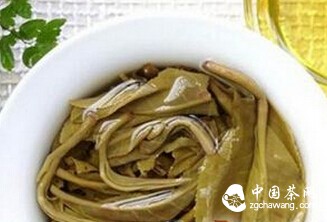
Pu'er tea is not just one variety; it is further divided into raw tea, green tea, and black tea. First, let's talk about Pu'er raw tea and green tea. From the literal meaning, it's easy to understand that Pu'er green tea tastes similar to the green tea we usually drink. Raw tea is less known. In fact, both Pu'er raw tea and green tea belong to non-fermented teas. When brewed, they offer a fresh aroma, clear liquor, and a pleasant sweet aftertaste. The characteristics of these two teas are that they can refresh the mind, clear heat, relieve summer heat, promote saliva production, quench thirst, reduce internal heat, and improve eyesight. Many people like them and drink them daily. However, both teas are cooling in nature. Drinking too much can easily harm the stomach and body. They are suitable for occasional consumption or alternating with other teas.
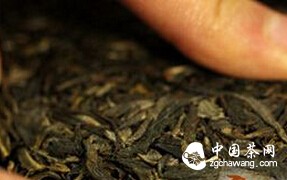
Pu'er black tea refers to the now popular Pu'er tea cakes commonly found on the market, which is what we generally call Pu'er tea. It belongs to fully fermented tea, is warm in nature, and suitable for daily drinking. The effects of Pu'er black tea are similar to those of regular black tea, except that Pu'er's fat-reducing effect is more pronounced. Many people know that Pu'er black tea has weight-loss benefits, but only by mastering the correct brewing method can its slimming effect become more evident. Since Pu'er's tea flavor is not easily extracted, it must be brewed with boiling water. I've seen a friend brew Pu'er by boiling it; she said Pu'er prepared this way tastes better. It's actually worth a try.