Why does tea make people alert?
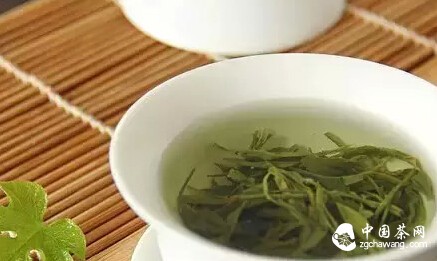
First, we need to clarify that tea refreshes because it contains caffeine, which is what excites you. The higher the caffeine content, the more likely it is to stimulate you.
What determines the caffeine content in tea? The caffeine content in tea leaves mainly depends on many factors, such as variety, growing conditions, picking season, picking standards, and processing.
The caffeine in tea leaves is relatively stable and does not decrease much during fermentation. Many people feel that green tea has higher caffeine because the tea polyphenols in green tea are not oxidized, leaving the caffeine in a free state. In fermented tea, tea polyphenols wrap around the caffeine, reducing irritation to the stomach, but the caffeine content remains largely unchanged.
If you want to drink tea at night, what should you do?
We must clarify that all teas contain caffeine; it just depends on how much it affects your body.
Generally, the stimulating effects of caffeine last about 2–5 hours after drinking tea, though the exact duration depends on individual体质 and tolerance.
Some seasoned tea drinkers are accustomed to drinking tea at night and may feel psychologically失落 without it. Like me, I can't go a night without tea. When I come across good tea, it even helps me sleep.
However, for those with severe heart conditions or神经衰弱, it's best to avoid strong tea or excessive drinking, especially at night.
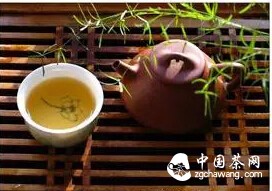
For ordinary tea lovers, if you really want to drink some tea at night, you can choose milder options like well-processed aged Pu-erh, aged white tea, or traditionally fermented roasted oolong. Just don't drink too much in one night—use less tea leaves and brew it lightly.
A small but practical tip that might seem off-topic—the relationship between bitterness and caffeine.
Finally, let's talk about bitterness.
Don't be surprised why we're discussing taste perception when talking about caffeine's effect on sleep. Well... I also found this theory strange when I first encountered it...
Okay, we need to clarify this concept: caffeine is bitter. This explains where the bitterness in coffee or tea comes from.
You might vaguely feel that the more bitter the tea, the more refreshing it is. That's why many articles or common knowledge suggest that a cup of strong, bitter tea can make you feel instantly alert.
Yes, it's not just the刺激 of the taste but also the caffeine.
However, this doesn't mean that non-bitter tea isn't refreshing! A simple analogy: for fresh and tender tea, its鲜爽 and sweetness can completely掩盖 its bitterness. So, even tea that isn't bitter can keep you awake all night~
Yes, this section is meant to convey this concept: bitterness can be a标准 for judging whether your cup of tea is refreshing, but non-bitter tea can also be very stimulating. Just like the more colorful a snake is, the more poisonous it tends to be, but that doesn't mean poisonous snakes can't be dark and inconspicuous...
What a strange analogy, right? But I think it's vivid~~~
Thank you for reading this far. If you happen to come across some well-aged ripe Pu-erh, drink it slowly—you might even feel sleepy while sipping it.
文章来源:养生茶道