The bitterness and astringency of Pu-erh tea are inherent characteristics found in all tea varieties worldwide, varying only in intensity and prominence. Bitterness and astringency in tea are always intertwined. For Pu-erh tea, these flavors primarily originate from the tea leaves themselves and chemical changes during the manufacturing process. Aging over several years can gradually transform bitterness into sweetness.

Yunnan large-leaf tea varieties contain richer compounds compared to other tea types, resulting in relatively stronger bitter and astringent notes! The primary substances contributing to bitterness and astringency in tea leaves include polyphenols, ester-type catechins, catechins, caffeine, tea saponins, anthocyanins, gallocatechins, and others. Among these, caffeine from alkaloids dissolves in water during high-temperature brewing, accounting for approximately 85%.
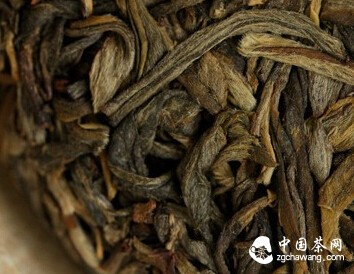
Over thousands of years, continuous improvements in tea-making techniques have allowed producers to control the level of bitterness and astringency to some extent through different processing methods. A series of intricate chemical changes occur during tea processing. Some teas become mellow and palatable with low astringency due to varying degrees of pre-fermentation or post-fermentation. Therefore, tea makers throughout history have accumulated experience and documented the variables affecting tea quality resulting from these chemical reactions. This led to the development of full fermentation, semi-fermentation, pre-fermentation, and post-fermentation techniques. Fermentation plays a significant role in influencing bitterness and astringency. In the tea-making process, improper or prolonged stacking of fresh leaves can lead to undesirable or abnormal fermentation (pre-fermentation or post-fermentation), causing the tea leaves to turn red and develop bitterness. Conversely, proper fermentation (pre-fermentation or post-fermentation) can reduce bitterness in tea!
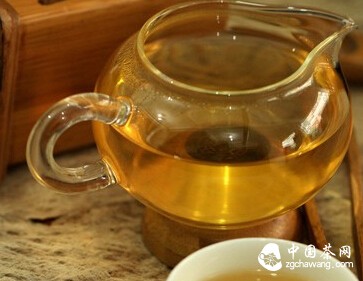
The so-called "adjusting processing based on the leaves" involves steps from withering (either indoor resting or sun-withering) to kill-green (shaqing) and rolling. Improper handling during these stages can produce undesirable bitterness and astringency. Bitterness arising from processing flaws may diminish slightly over time during storage but is difficult to completely transform. Currently, there is no highly scientific data-driven method to address processing-related bitterness; it still relies on the experience of tea masters. They must consider factors such as the age, tenderness, robustness, coarseness, fineness, thinness, and thickness of the leaves, as well as sunlight intensity and temperature, to handle the tea appropriately.
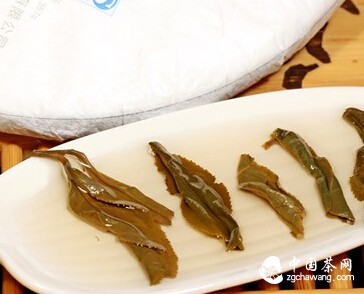
Bitterness and astringency arising from either origin or processing are inevitable. Therefore, when selecting your preferred Pu-erh tea, it is crucial to assess whether the bitterness dissipates in the mouth. Bitterness should transform into sweetness, and astringency should turn into mellowness, with complex layers of flavor. This indicates normal bitterness and astringency. Conversely, if bitterness and astringency linger in the mouth with strong收敛性 (convergence, a puckering sensation), remain locked without transforming, and lack sweetness or mellowness, then the bitterness and astringency are problematic!
Author: Anonymous
Editor: Tea Bubble Network - Xiong Er