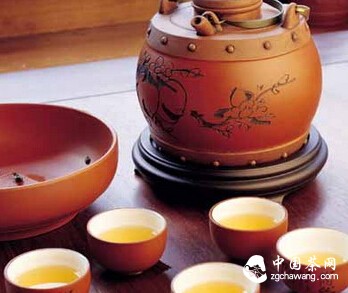
Brewing a cup of tea can be both relaxing and a way to cultivate one's character. For "sedentary workers" and "computer users" who frequently experience minor troubles like eye pain and mood swings, adding specific ingredients to their tea can help alleviate these physical discomforts, making it a good practice for health preservation.
For excessive liver fire, drink chrysanthemum tea. Many people often experience symptoms such as dizziness, bitter taste, dry and cracked skin, mouth sores, and irritability, which are mostly caused by excessive liver fire. Chrysanthemum has the effects of dispersing wind-heat, clearing the liver and improving vision, and nourishing the liver to reduce fire, which can alleviate symptoms like bitter taste, headache, and sore throat. To calm liver fire, it is best to use Hangzhou white chrysanthemum or bud chrysanthemum (the unopened flower buds of Hangzhou white chrysanthemum). When brewing chrysanthemum tea, use boiling water at around 100 degrees Celsius and steep for 3 to 5 minutes. Add more hot water when only one-third of the tea remains.
For eye strain, drink goji berry tea. Office workers who spend long hours on computers and students with heavy homework loads are prone to eye strain. Drinking goji berry tea, which has the effects of nourishing the liver and kidneys and improving vision, is most suitable. For symptoms like blurred vision due to liver and kidney deficiency, you can brew about 20 goji berries in water. For those with symptoms such as dry and red eyes, decreased vision, tearing in the wind, or cataracts, you can add 5 dried chrysanthemum flowers to make goji berry and chrysanthemum tea. However, individuals with damp-heat or phlegm-dampness obstruction, external heat, spleen deficiency with cold-dampness (those with colds, fever, inflammation, or indigestion) should not consume goji berries.
For poor mood, drink rose tea. Rose tea is effective in regulating qi to relieve depression, promoting blood circulation to remove blood stasis, and regulating menstruation to relieve pain. It also has auxiliary therapeutic effects on mood disorders such as depression and anxiety. Drinking rose tea under high pressure can help stabilize emotions and calm the mind. Rose tea is best brewed with purified water and glass teaware. When served hot, the floral aroma is rich and refreshing. However, note that rose has an astringent effect, so it is not suitable for those with constipation.
For dry stools, drink cassia seed tea. Cassia seed targets the large intestine meridian and has the effect of moistening the intestines to promote bowel movements. Regularly drinking cassia seed tea can also assist in lowering blood lipids. For daily health care, you can directly brew 15 grams of roasted or crushed cassia seeds in tea. For those with habitual constipation, use 10–15 grams of roasted cassia seeds, crushed, add 300–400 ml of water, boil for 10 minutes, then mix in 20–30 grams of honey and take it morning and evening. However, individuals with spleen and stomach deficiency-cold, loose stools, or diarrhea should use it with caution.