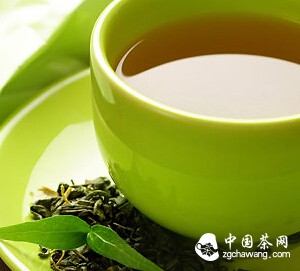
Since ancient times, tea has been considered a premium product for health preservation. Scientific analysis shows that tea leaves contain protein, fats, over 10 types of vitamins, as well as nearly 300 components such as tea polyphenols, caffeine, and lipopolysaccharides, which provide multifaceted health care and pharmacological benefits. Drinking two cups of tea daily can regulate the five organs, purify the blood, activate blood vessels, resist aging, and detoxify the body. Additionally, during the cold and dry winter season, a warm cup of tea not only helps ward off the cold but also nourishes and promotes overall well-being.
Drinking Tea in Winter Can Prevent Dryness
Winter is cold and dry, and many people experience itchy skin during this season. Drinking tea can help prevent winter itch because tea contains the trace element manganese, which protects human skin.
The protective effects of manganese on the skin are manifested in three aspects: First, manganese participates in many enzymatic reactions in the body, promotes protein metabolism, and helps excrete substances harmful to the skin, thereby reducing adverse skin stimulation. Second, manganese promotes the accumulation of vitamin B6 in the liver, enhancing the skin's anti-inflammatory function. Third, manganese can increase the activity of polysaccharide polymerase and galactosyltransferase, catalyzing the metabolism of certain vitamins in the body, all of which contribute to normal sebum metabolism and prevent skin dryness.
Tea leaves contain a relatively high amount of manganese. According to relevant experimental data, the manganese content per gram of dry tea leaves varies by variety. For example, among green teas, West Lake Longjing tea contains 1.40 mg, Lushan Yunwu tea contains 1 mg; among oolong teas, Anxi Tieguanyin tea contains 1 mg; among yellow teas, Mengshan Huangya tea contains 0.65 mg; among black teas, Keemun black tea contains 0.60 mg. The manganese content in tea infusions also varies. When 1 gram of tea leaves is steeped in 100 ml of boiling water for 10 minutes, the manganese content in West Lake Longjing tea infusion is 0.506 mg, in Lushan Yunwu tea infusion it is 0.400 mg, in Anxi Tieguanyin tea infusion it is 0.238 mg, in Mengshan Huangya tea infusion it is 0.198 mg, and in Keemun black tea infusion it is 0.017 mg.
If people drink tea infusions made from 4–6 grams of green tea daily, they can obtain one-third or more of their daily manganese requirement from tea. This is undoubtedly very beneficial for protecting the skin and preventing dryness and itchiness.
Recommended Hydrating Tea Beverages
Water Chestnut Tea. Wash 150 grams of water chestnuts (马蹄), peel them, soak in lightly salted water for 10 minutes, then extract the juice for later use. Brew green tea and mix it with the water chestnut juice before drinking. Consume once daily. Efficacy: Promotes fluid production, moistens dryness, clears heat, resolves phlegm, stimulates appetite, aids digestion, and promotes urination. Note: Those with weak constitution, diarrhea, or spleen deficiency with sensitivity to cold should consume less.
Radish Tea. Wash a large white radish, slice it, boil to extract the juice, use the juice to brew tea, and add honey before drinking. Efficacy: Regulates qi, stimulates appetite, clears lung heat, and removes dampness and phlegm. Note: Use with caution for those with frequent diarrhea, spleen deficiency, or stomach cold. Those with unstable blood sugar may omit the honey.
Snow Pear Tea. Chop snow pears, add rock sugar to make pear syrup, and use it to brew tea for drinking. Efficacy: Relieves dryness, moistens the lungs, stops cough, resolves phlegm, promotes fluid production, quenches thirst, nourishes yin, and clears heat. Note: Use with caution for those with cold constitution, spleen deficiency, or diarrhea.
Finally, it should be noted that the recipes mentioned above use green tea. Those with a colder constitution may switch to oolong tea.