After determining the water for brewing tea, the release of the "true flavor" of tea leaves relies entirely on the water temperature, hence the saying "water is the mother of tea."
The brewing of Pu-erh tea generally requires a higher water temperature compared to other teas. Some books and articles even recommend using 100°C water to brew Pu-erh tea. In fact, the water temperature for brewing Pu-erh tea is not necessarily the higher, the better. We advocate using high-temperature water for rinsing and brewing Pu-erh tea, mainly from the perspective of "high-temperature sterilization" for hygiene.
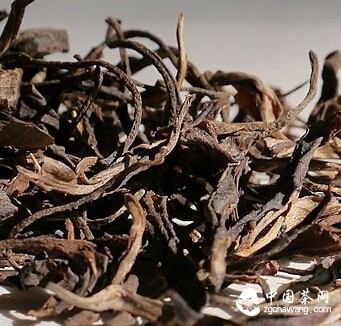
The most important principle in brewing Pu-erh tea is "tender leaves brewed with warm water, old leaves brewed with hot water." Delicate bud leaves have relatively thin epidermal cell cuticle and wax layers, making them prone to damage and cell wall rupture, which causes cell fluid to leak out. The nutrients in the leaves decompose and transform quickly. Therefore, when brewing delicate Pu-erh tea, the water temperature should be appropriately lower, generally controlled between 80–85°C (when boiling water has just stopped rolling).
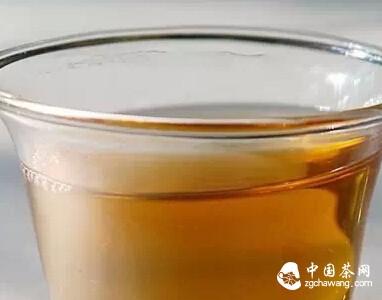
Conversely, for Pu-erh tea processed from coarser, older raw materials, the epidermal cell cuticle and wax layers are thicker and more substantial. The cell walls are not easily broken, and less cell fluid leaks out. The decomposition and transformation of nutrients in the leaves are slower, so they should be brewed with high-temperature water, with the temperature controlled between 90–100°C.
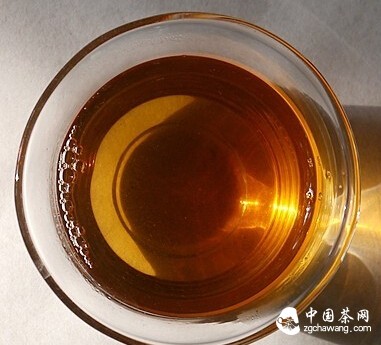
For Pu-erh tea processed from raw materials containing one bud with three to four leaves or a high stem content, besides using high-temperature water (when boiling) for brewing, it can also be decocted in boiling water. Brewing and drinking it immediately offers a unique flavor.
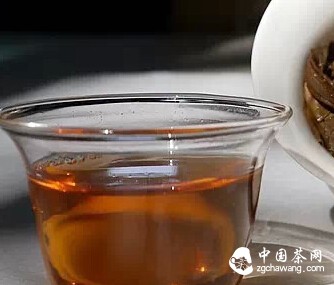
Related link: Methods for Brewing Pu-erh Tea