Tea is China's national drink and a common beverage in our daily lives. However, many friends may not brew tea correctly, and some even persist in certain improper brewing methods for a long time. The editor has summarized five common incorrect tea brewing methods, hoping to help tea lovers.
1. Habitually brewing tea too strong
To brew a cup of tea with moderate concentration, generally about 5-8 grams of tea leaves are needed, or 3-5 grams for white tea. Some people prefer strong tea, but overly concentrated tea leaches too much caffeine and tannic acid, which can be too irritating to the stomach and intestines. After brewing one cup, you can add water and brew another 3-4 cups.
2. Brewing tea for too long
Tea is best consumed within 1 minute of steeping, with some teas requiring only a few seconds or over ten seconds before pouring—they should not be steeped for too long. By this time, about 80% of the caffeine and 60% of other soluble substances have already been extracted. If steeped too long, the tea will become bitter. Tea that is boiled for a long time in a thermos or on a stove undergoes chemical changes and is not suitable for drinking.
3. Using a thermos cup to brew tea
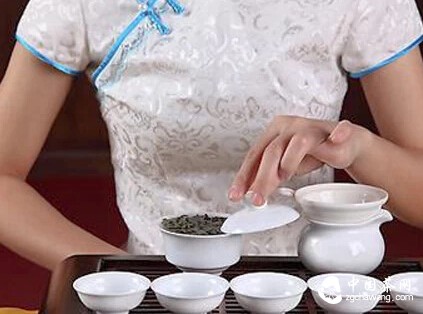
It is better to brew tea using ceramic pots or cups, not thermos cups. Using a thermos cup keeps the tea at a high temperature for an extended period, causing some of the aromatic oils to evaporate and reducing the fragrance. Excessive tannic acid and theophylline are leached, resulting in a bitter taste and the loss of some nutrients.
4. Throwing away brewed tea leaves
Most people throw away used tea leaves after brewing. Actually, this is not economical. You can chew the tea leaves and then spit them out, as tea leaves contain relatively high amounts of carotene, crude fiber, and other nutrients.
5. Using boiling water for all teas
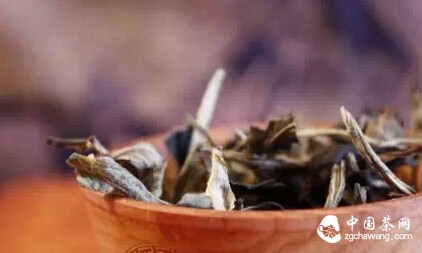
Whether to use boiling water for brewing depends on the type of tea. For brewing dark tea, black tea, oolong tea, or white teas like Gong Mei and Shou Mei, boiling water can be used, as high temperature is needed to open the leaves and fully release their nutrients. However, for yellow tea and green tea, using boiling water can destroy many nutrients. For example, vitamin C, vitamin P, etc., are destroyed at water temperatures exceeding 80°C, and too much tannic acid is easily dissolved, making the tea bitter. Therefore, the water temperature for brewing tea should generally be controlled between 70°C and 80°C. Especially for green tea, if the temperature is too high, the leaves become 'cooked,' turning into something like black tea and losing the original fresh, cool fragrance of green tea.
Having talked about so many wrong tea brewing methods, how should one brew tea correctly? How can tea be brewed to taste better?
Now, Tea Culture will begin the lesson: The brewing method varies slightly depending on the type of tea.
● Green Tea:
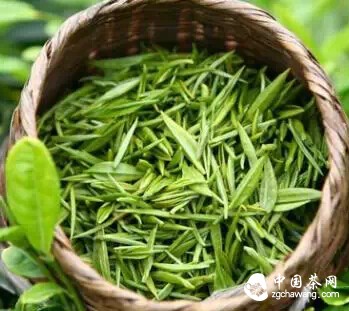
Brew with 80°C~85°C water and drink immediately after brewing. Green tea is non-fermented tea; common varieties include West Lake Longjing and Biluochun. These teas are relatively tender and not suitable for brewing with freshly boiled water. 80°C~85°C is ideal. The ratio of tea to water should be 1:50, with a brewing time of 2~3 minutes. It's best to brew and drink immediately. If the brewing temperature is too high or the time is too long, polyphenols will be destroyed, the tea soup will turn yellow, and the aromatic substances will volatilize and be lost.
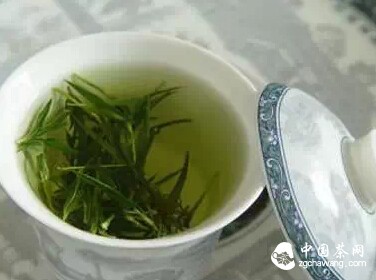
It is best to use a porcelain cup to brew green tea. When brewing, first moisten the tea leaves with 1/4 of the water, wait 20 seconds or half a minute, then add water to drink. Generally, do not cover the cup when brewing green tea, otherwise the tea soup will turn yellow.
● Black Tea:
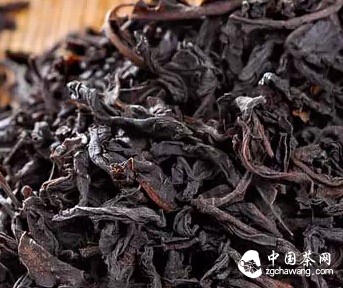
First, rinse the cup with hot water, then brew with boiling water. Black tea is fully fermented tea; common types include high-grade Gongfu black strip tea and broken black tea. Unlike green tea, high water temperature immersion can promote the dissolution of its beneficial components. Therefore, it is best to brew black tea with just-boiled water. The amount of water used is similar to that for green tea. The brewing time should be 3~5 minutes. High-grade Gongfu black strip tea can be brewed 3~4 times, while broken black tea can be brewed 1~2 times.
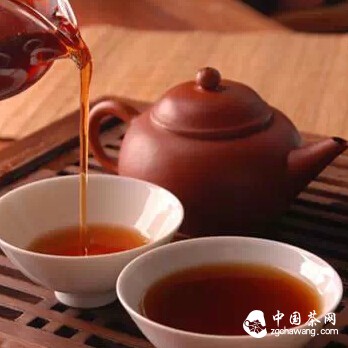
It is best to brew black tea in a glass cup to appreciate the leaves unfurling in the water. Specifically, you can use the middle-pour method: first pour about 1/10 hot water into the cup to warm it, then add 3~5 grams of tea leaves, and then pour water along the wall of the glass cup for brewing. Cover the cup when brewing black tea to make the tea aroma more intense.
● Oolong Tea:
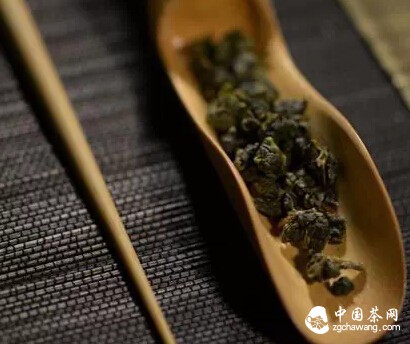
Brew multiple times with boiling water. Oolong tea is semi-fermented tea, such as Tieguanyin and Da Hong Pao. When brewing oolong tea, have a kettle boiling water nearby. Pour the water immediately after it boils. Discard the first infusion and use that water to rinse all the cups. Then pour in boiling water to brew and drink. Oolong tea can be brewed multiple times; good quality oolong can be brewed 7~8 times. The brewing time for each infusion increases from short to long, ideally 2~5 minutes.
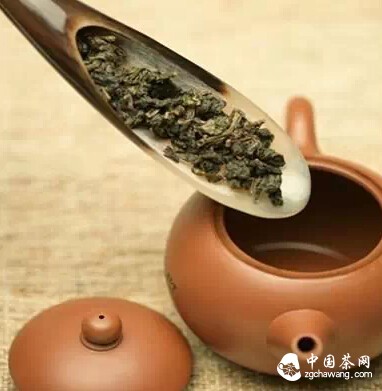
It is best to brew oolong tea with a professional Yixing clay teapot or a lidded bowl (gaiwan), and you must use 100°C boiling water. The amount of tea leaves for oolong is relatively large, basically half or more of the pot or gaiwan used. Cover after brewing.
● Dark Tea:
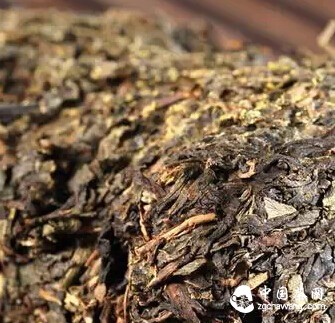
First rinse the tea, then brew with boiling water. Dark tea is post-fermented tea. It can still undergo natural aging during storage over time and, within a certain period, has the characteristic of improving with age. For dark tea, also use 100°C boiling water for brewing. The first time you brew dark tea, quickly rinse it for 10~20 seconds: first put the tea leaves in the cup, pour in boiling water, wait a moment, pour out the water, then pour in boiling water again and cover the cup. This not only filters out impurities from the tea but also makes the brewed tea soup more mellow and fragrant. Subsequent brewing times are usually 2~3 minutes.
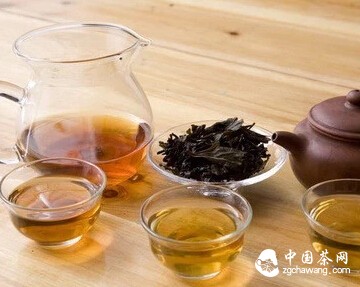
Dark tea is generally brewed with professional tea ware; Yixing clay teapots or gaiwan are suitable. The amount used is generally twice that of green tea.
Finally, it should be reminded that to maintain the aroma of the tea leaves, it is best to use "soft water" with low metal ion content for brewing tea, such as purified water and high-quality mineral water.