For ordinary people, drinking tea is a necessity; for monks, it is a form of Zen; for Taoists, it embodies the Way; and for literati, it represents culture. For me, Xiong Er, drinking tea is a form of self-perception in life. Hmm, that might sound profound. Well, simply put, it's not the tea I love, but the self I become while drinking it.

Tea tasting is a joy, a pastime, and an indulgence—an excuse Xiong Er finds irresistible. In moments of tranquility, I love to savor tea. Brewing a cup in leisure, letting body and mind soak in the faint tea aroma, feels as if time has stopped.
Place a small handful of tea leaves, pour in hot water, and watch the fragrant, tender leaves slowly unfurl in the rising steam—swaying left and right, floating up and down. Some sink quickly to the bottom, while others rise to the surface. Their sinking and floating always remind me of something—yes, like human lives, like the twists and turns of life.
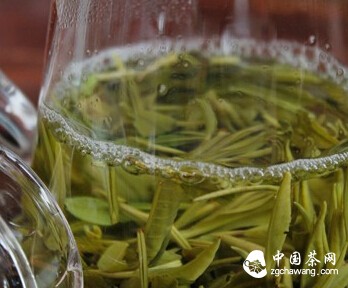
A tea leaf, a person—viewing life through the tea leaves in a cup. Aren't people the same? From babbling toddlers to vigorous youths, some chase fame and fortune, others act with humility. But regardless, we all eventually reach the end of life's journey.
Tea Tasting Requires Deliberation
A cup of tea should be sipped in three mouthfuls. The first tests the temperature, the second savors the aroma, and the third allows slow sipping. As tea enters the mouth, the liquid swirls, instantly filling the senses with fragrance—jasmine's refreshing aroma, Biluochun's gentle sweetness, Yunwu's mellow richness, Longjing's fragrant sweetness. Everything is beyond words.
Tea Tasting Requires a Serene Mindset
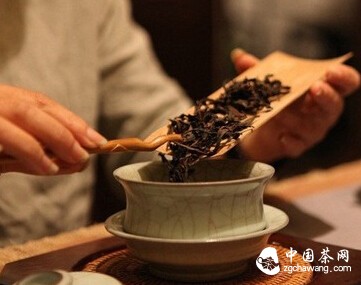
Sitting quietly alone, holding tea in contemplation, the bittersweet tea juice exudes a delicate fragrance, lingering on the palate. From a single tea leaf, one can taste the scenery of mountains and rivers and the spirit of nature, clearing worries and restoring peace to the soul. Amid noise or restlessness, it's hard to grasp tea's true essence. Only with no trivial matters disturbing the heart and no clamor troubling the ears can one savor tea wholeheartedly and become immersed in it.
Tea Tasting Elevates Sentiment
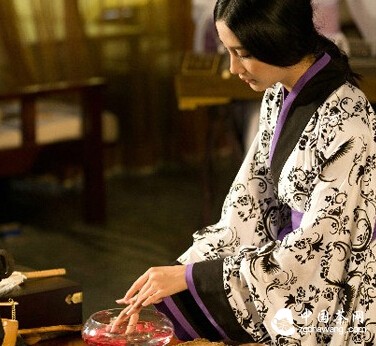
Liu Zhenliang of the Tang Dynasty proposed the "Tea Virtues": "Tea cultivates elegance," "Tea embodies benevolence," "Tea carries the Way," and "Tea refines the self." Thus, ancients often took tea as a model, embedding the "Way" into tea tasting, aligning tea's nature with human nature, merging tea character with personal character. Through tea's fragrance and charm, they constructed a realm of humility and tranquility. Of course, it's undeniable that tea also plays a vital role in regulating human health.
Tea Tasting Prompts Reflection on Life
Life is as fleeting as a white colt passing a crack, as ephemeral as dew or a lamp in the wind—brief like a tea leaf. We shouldn't obsess over gains and losses in life. Instead, we should live authentically, genuinely, simply, and calmly. Fame and fortune are but passing clouds; there's no need to exhaust a lifetime pursuing transient glory. In truth, life, like the taste of tea, is best when light and slightly bitter.
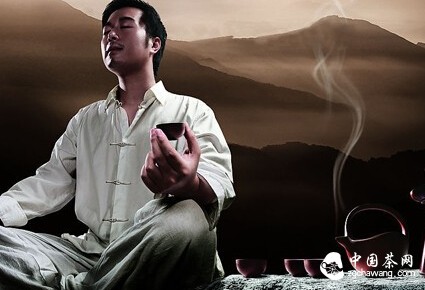
Tea tasting is a sentiment, a pleasure. In the bustling mortal world, sitting down to enjoy a good cup of tea, savoring life's joys in simplicity, is a rare treasure.
Editor: Xiong Er from Tea Bubble Network