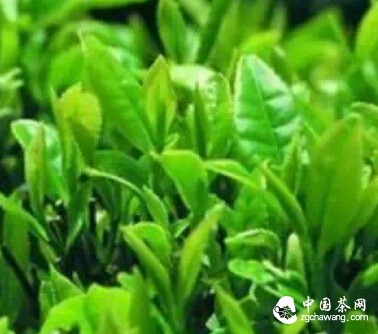
In the list of cancer-preventing foods, green tea has always been at the top. Recently, a study from Singapore published in the UK's Daily Mail added another halo to it—beneficial substances in green tea can be extracted to make anti-cancer drugs, offering better tumor-fighting effects with fewer side effects.
Green Tea's Multiple Benefits in Disease Prevention and Cancer Fighting
According to the report, this research from the Singapore Institute of Bioengineering and Nanotechnology found that the polyphenols abundant in green tea, when combined with the cancer drug Herceptin, can form a stable and effective composite drug that directly targets tumor sites. Compared to Herceptin without polyphenols, this drug better controls tumor growth and extends the half-life of the drug in the bloodstream, making its effects longer-lasting. Notably, while many traditional anti-cancer drugs have significant toxic side effects, this composite drug has relatively fewer side effects.
The role of drinking green tea in helping prevent cancer has long been proven. A 9-year survey among tea-loving Japanese found that drinking 4 cups of green tea daily can reduce cancer risk by 40%; multiple studies in Europe and America confirm that green tea can lower the risk of tumors in many parts of the body, including the breast, prostate, lungs, mouth, bladder, colon, stomach, and pancreas; joint research by Fudan University's State Key Laboratory of Genetic Engineering and Johns Hopkins University School of Medicine found that green tea significantly counteracts the toxic side effects of anti-cancer drugs. Cancer patients drinking more green tea while taking the anti-cancer drug daunorubicin can greatly improve its efficacy.
Besides preventing and fighting cancer, green tea has many other health benefits, making it a "super beverage."
Protects eyesight. A 2010 American study found that various compounds in green tea protect eye tissues, especially those related to the cornea.
Prevents dementia. Elderly people over 70 who drink an average of 4 cups of green tea daily have a 44% reduced chance of depressive symptoms; those drinking more than 2 cups daily have half the risk of dementia compared to peers drinking less than 3 cups per week. This conclusion came from a 3-year follow-up study of over 14,000 people aged 65 and above by researchers at Tohoku University in Japan.
Fights toxins and bacteria. A study published in the Proceedings of the National Academy of Sciences stated that theanine in green tea can increase the body's ability to resist infections fivefold; rinsing with green tea effectively prevents gum bleeding and cavities.
Strengthens the heart. Tohoku University research also found that compared to men drinking less than 1 cup of green tea daily, men drinking 5 or more cups had a 22% lower risk of death from cardiovascular diseases, while women had a 31% lower risk.
Delays aging. Green tea is rich in antioxidants, which help strengthen leg muscle tissue in elderly women, combat aging, and also help balance cholesterol levels and maintain weight.
The high health efficacy of green tea is attributed to its unique components. Green tea contains over 450 organic compounds and more than 15 inorganic minerals, most of which have health and disease-preventing effects. Its "main force" includes substances like polyphenols, chlorophyll, theanine, amino acids, and vitamins, with catechins in polyphenols having the best anti-cancer effects. As green tea is unfermented, it retains more natural components, making the above nutrients the most abundant among all tea types. Despite its many benefits, if methods for selecting, brewing, and storing are not considered, its health effects can be significantly reduced.
Buying green tea in 4 steps. 1. Check labels. Properly labeled tea products should include product name, ingredients, grade, execution standard number, raw material origin, manufacturer name and address, net content, production date, and shelf life. 2. Observe color. The basic quality of green tea is clear soup and green leaves. When purchasing, check if the tea strips are fine and tight, and if the color is emerald or dark green. 3. Smell the aroma. Good quality green tea smells fresh and fragrant; poor quality has an astringent odor. 4. Brew. Take 5 grams of tea leaves, place in a 250 ml glass cup, brew with boiling water twice, each time for 10 minutes. After brewing, first observe the leaf shape: real tea leaves have obvious网状 veins, smooth stem surfaces with绒毛 on the back, and leaves are翠绿,碧绿, or黄绿. It should taste fragrant and rich, with a mellow flavor. Inferior tea lacks tea fragrance, the tea soup is浑浊带青色, emits a清臭气, and tastes astringent. Special reminder: Do not buy overly cheap tea, as it may be mixed with tea dust or碎片. Some tea merchants might spray urea on tea leaves to increase yield. Therefore, choose tea by brand and quality.
Brew immediately and drink. Generally, the brewing water temperature for green tea should be 85°C, just when the water starts boiling. Brewing time should be 2–3 minutes. The ratio of green tea to water should be appropriate, ideally 1:50. Commonly, use 150 ml of water for 3 grams of tea leaves to achieve a moderately strong green tea soup. If the brewing temperature is too high, time is too long, or it is repeatedly brewed, polyphenols will be destroyed. For tea ware, porcelain cups or transparent glass cups can be used. It's best not to cover the lid, as it can easily焖黄 the tea leaves.
Store sealed. The optimal storage temperature for green tea is 0°C–5°C. It is afraid of moisture, sunlight, and easily absorbs odors. When storing, put the tea into a tea canister, seal it, then put it in a plastic bag and refrigerate. Ensure the bag opening is tightly sealed, otherwise, it may regain moisture or absorb odors, damaging the tea's quality.
Although green tea is good, there are precautions and taboos when drinking it.
First, people with stomach problems should drink less. Green tea is slightly cold and can easily irritate the stomach. Those with a cold stomach or frequent stomach pain should drink little or none. It is recommended that people with stomach issues drink milder teas like white tea, black tea, or ripe Pu-erh, which are fermented and better for the stomach, not causing stomach pain. Additionally, women should特别注意 avoid drinking green tea during the following periods: menstruation, pregnancy, breastfeeding, and menopause.
Second, do not drink before bed. Substances like theophylline in tea, when absorbed by the body, have a明显的兴奋 effect on the central nervous system. Drinking tea can cause mental excitement, affect sleep, even lead to insomnia, especially with freshly picked green tea, where the effect is more pronounced.
Third, do not drink on an empty stomach. Drinking tea on an empty stomach, especially right after waking up in the morning, can cause the intestines to absorb too much caffeine,容易 leading to symptoms like palpitations, dizziness, weakness in hands and feet, and mental恍惚. People who do not often drink tea are more prone to these discomforts. This is called "tea drunkenness." Once tea drunkenness occurs,含糖果 or drinking some sugar water can alleviate it.
Finally, do not drink tea immediately before or after meals. Drinking tea before meals dilutes saliva, making food tasteless, and temporarily reduces the digestive organs' ability to absorb protein. Tea contains tannic acid, which can coagulate with蛋白质 and iron in food, affecting the body's absorption of protein and iron.