Tea Language One: A full cup of wine shows respect, a full cup of tea shows disrespect.
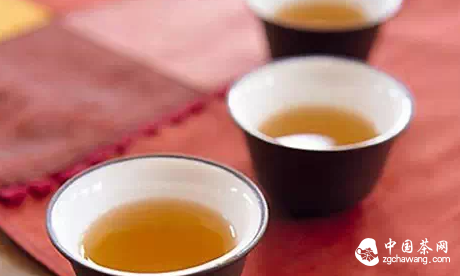
We all know that wine is usually served cold, and a full cup is offered to show respect. Tea, however, is served hot. If a teacup is filled to the brim for a guest, the guest might burn their hands when taking it, yet they would feel too embarrassed to refuse. In such a situation, it means the host is being inconsiderate towards the guest.
Tea Language Two: Serve the respected first, then the less senior; serve the elderly first, then the younger.
On formal occasions, drinking tea is a millennia-old culture. There are etiquettes for pouring tea and for drinking it. When the tea pourer is serving tea, we should show appreciation, usually by tapping the table with fingers to express thanks. If the pourer is an elder or of the same generation, we tap the table twice with the index and middle fingers. If the pourer is a junior, we tap twice with the middle finger. When the pourer says, "Please have some tea," we generally respond with phrases like "Don't stand on ceremony," "You're too kind," or "Thank you."
Tea Language Three: Serve guests first, then the host; the tea brewer drinks last.
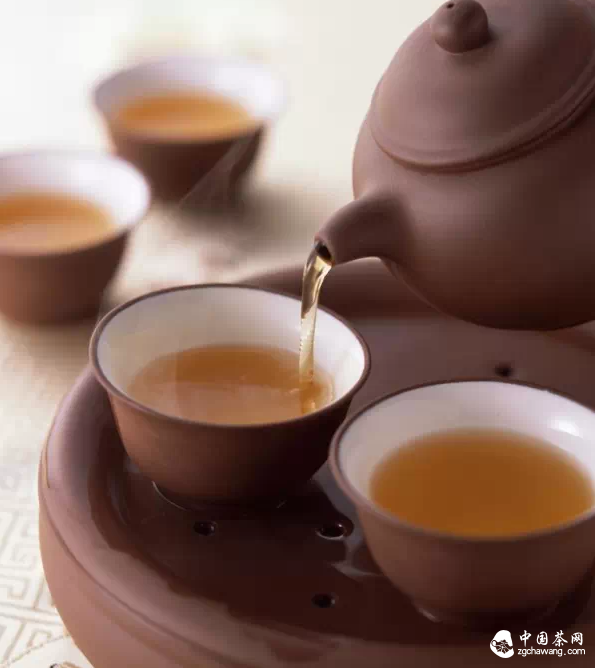
Chinese tea drinking emphasizes propriety. Not only should one serve in order of seniority and age, but also guests before the host. Only after all the guests and the host's party have had tea may the tea pourer drink. Doing otherwise would be impolite to the guests.
Tea Language Four: Do not make loud noises while drinking tea.
Guests also have their own etiquette when drinking tea. While drinking, one should not let the cup scrape against surfaces or make noise, nor should one put the cup down heavily. This shows disrespect to the host.
Tea Language Five: Do not frown while drinking tea.
Frowning while eating is a sign of distaste. If a guest frowns while drinking tea, it implies that the host's tea is of poor quality or that the guest dislikes it.
Tea Language Six: The first infusion must be discarded.
Brewing tea has a rule of "rinsing the tea." Pouring out the first brew is widely considered a way to wash away tea residue from the tea leaves. Not discarding the first infusion is impolite to guests.
Tea Language Seven: When a new guest arrives, change the tea.
If a new guest arrives while others are drinking tea, fresh tea leaves should be used to brew a new pot.
Tea Language Eight: The hint to leave.
In many situations, a host may not want to directly ask a guest to leave but needs to do so for various reasons. Brewing tea without changing the leaves can serve as a subtle hint for guests to depart. At this point, the tea has been steeped until it loses its color. This carries two possible meanings: first, it shows冷淡 (coldness) towards the guest; second, it signifies insincerity, carelessness in handling matters, or ineffectiveness.