Tea Knowledge: Do You Know What Kind of Cup to Use for Drinking Tea?
Drinking tea for health preservation, whether it's black tea, green tea, or scented tea, requires choosing suitable utensils for brewing. If the wrong cup is selected, it may not only破坏 the tea's natural elements but could also pose health risks!
Pottery Teaware
The most renowned Yixing purple clay teapot is a type of pottery, fired at temperatures between 1000–1200°C. It has a fine texture, is non-porous yet contains microscopic pores that absorb tea liquor and retain tea flavor. It transfers heat slowly, preventing burns, and can withstand rapid temperature changes without cracking. Using a purple clay teapot to brew tea results in a mellow aroma, good heat retention, and no "cooked" taste, preserving the tea's true essence. It is generally considered best for brewing semi-fermented teas like Taiwanese Oolong tea and Tieguanyin to fully bring out their characteristics.
Porcelain Teaware
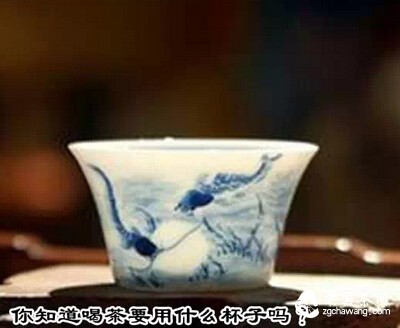
Porcelain is non-absorbent, produces a clear, resonant sound when tapped, and is prized for its whiteness. Fired at around 1300°C, it reflects the color of the tea soup well. Its heat transfer and retention properties are moderate, and it does not chemically react with tea. Brewing tea in porcelain yields excellent color, aroma, and taste. Its elegant and delicate design makes it suitable for brewing lightly fermented, fragrant teas like Wenshan Baozhong tea and green tea. Porcelain teaware is arguably the best choice for drinking and appreciating tea, also possessing artistic value and collectibility.
Glass Teaware
Glass is transparent, transfers heat quickly, and is airtight. Brewing tea in a glass cup allows one to observe the entire process: the tea leaves moving up and down, gradually unfurling, and the developing color of the tea liquor. The disadvantages of glass teaware are that it is fragile and can become hot to the touch, but it is inexpensive and practical. Using glass teaware to brew green teas like Longjing and Biluochun offers a delightful view of misty vapors, upright tea buds, or leaves interlacing and floating, which is both pleasing to the eye and interesting.
Purple Clay Teaware
Purple clay is a natural pottery clay rich in elements like iron, calcium, sodium, potassium, and zinc. It can alkalize water quality, improve human immunity, and is beneficial for health. Teapots made from certain clays (e.g., "Qing Shui Ni") are suitable for green tea, while others (e.g., "Zi Ni") are better for Oolong tea. Both Oolong tea and Pu-erh tea should be brewed in purple clay teapots with a broad base to allow the leaves to fully expand, resulting in a richer and more aromatic brew. Dedicated use (one type of tea per pot) is more conducive to the teapot's maintenance.
Purple clay teapots need to be gradually "seasoned" with tea. After seasoning for a period, clean the pot once, repeat this process three times, and the clay material will be thoroughly cleansed. Thereafter, the pot no longer needs washing. Tea residue (patina) can be left inside as it consists of precipitated nutrients and minerals from the tea, which helps maintain the pot. Over time, the pot improves, becoming more warm and lustrous in color, and may even emit a natural tea fragrance.
Do not clean purple clay teapots with detergents or oily cloths; simply rinse with boiling water.
Teaware Made from Other Materials
Plastic teaware often has an odor, and using it with hot water can affect the tea's flavor. Paper cups and plastic cups are similar; they are not suitable for brewing good tea except for temporary emergency use. Brewing high-quality green tea in a thermos cup is also not advisable, as prolonged heat retention leads to a dull aroma and a "stewed" taste.