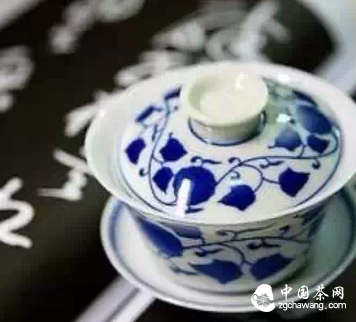
It is often said that "tea without bitterness and astringency is not tea." Bitterness and astringency are the original flavors of tea, and historical references to tea as "bitter tea" have long been confirmed. However, tea connoisseurs are certainly not savoring the bitterness itself but rather the sweetness and saliva-inducing freshness that tea brings, experiencing the impact of the tea soup on the taste buds. The sweetness and freshness of tea actually originate from its bitterness and astringency.
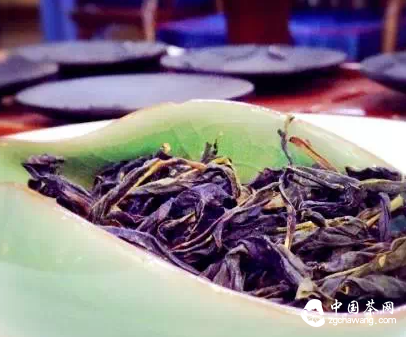
The main components of tea leaves and the constitution of the tea soup's flavor are related to amino acids, alkaloids, and tea polyphenols in the leaves. Amino acids provide a fresh and brisk taste; the main component of alkaloids, caffeine, contributes bitterness; the main component of tea polyphenols, catechins (also called tea tannins), imparts bitter, astringent flavors and a收敛性 (convergent/ puckering quality). These are all important components that constitute the taste of tea soup.
The bitterness of caffeine does not linger long on the tongue; it dissipates quickly. This bitterness is the foundation of "sweet aftertaste" (回甘). When the bitter substances no longer remain on the tongue and dissipate, a sweet aftertaste can emerge. Tea tannins can slow down the effect of caffeine, allowing the sensation of sweet aftertaste to linger in the mouth and on the tongue. This is the reason we often hear about "tea's addictive quality" or "being poisoned by tea."
The astringent feeling in tea soup is due to its tea tannin content. Tea tannins have a收敛性 (astringent/contracting effect), which can cause proteins in single-cell microorganisms in the mouth to coagulate, thereby causing local muscles in the mouth to contract. When the bitter and astringent taste of tea tannins dissipates and their收敛性 transforms, the local muscles in the mouth begin to recover, presenting the sensation of saliva-inducing freshness (生津).
In tea soup, tea tannins combine with caffeine, thereby moderating caffeine's stimulating effect, making it milder and more prolonged. This is the reason we often hear that "tea can refresh the mind and dispel drowsiness."
Therefore, the bitterness/astringency of tea soup and the sweet aftertaste/saliva-inducing freshness are mutually dependent and inseparable, much like the concepts of mutual promotion and restraint in the Five Elements theory. Without promotion, things cannot occur and grow; without restraint, things have no constraint and cannot maintain normal harmonious relationships. Only by maintaining a dynamic balance of mutual promotion and restraint can things develop normally.
When we drink tea, we cannot determine the content of the three flavor-presenting substances—amino acids, alkaloids, and tea polyphenols—let alone determine the proportion these three flavor-presenting substances should follow.
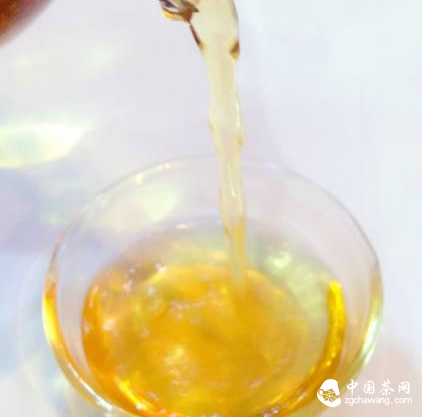
Here is a personal sensory evaluation criterion: If there is bitterness upon entry, it should be acceptable to one's personal taste, and the bitterness should not linger long on the tongue but should dissipate and turn into sweetness. If there is astringency upon entry, it should not cling to the upper palate, teeth, or lips, and the astringency should not linger long on the tongue but should transform and induce saliva.
Good tea is when the strong, fresh, and brisk original essence of the tea soup overpowers its bitterness and astringency, and the bitterness and astringency transform almost imperceptibly. However, this imperceptibility lies in the subjective feeling of the person, so tea appreciation varies from person to person. This is the reason we often hear that "encountering good tea requires缘分 (fate/affinity)."