Tea is an item passed down from ancient China. Many people enjoy drinking it, as it can supplement the body with certain nutrients and also has the effect of relieving fatigue. However, regarding drinking tea for health, these ten types of tea must not be consumed.
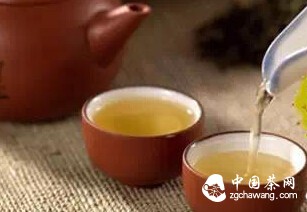
1. Spoiled Tea
Tea is not easy to store properly and can easily absorb moisture and become moldy. Some people, out of love for tea or thriftiness, are reluctant to discard moldy tea. Spoiled tea contains a large amount of substances and germs harmful to the human body and must absolutely not be consumed. If high-quality tea is brewed and left for too long, the tea soup can also spoil due to oxidation and microbial reproduction. Such tea should also not be consumed.
2. First Brew Tea
Because modern tea leaves are inevitably contaminated by pesticides, fertilizers, dust, and other substances during planting, processing, and packaging. The first brew is actually water for rinsing the tea. It should be poured out quickly, and then boiling water should be added. The tea brewed this way is the most hygienic.
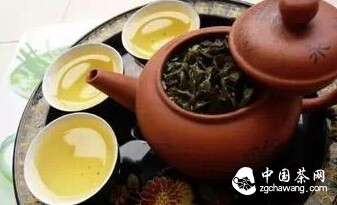
3. Burnt Tea
Tea leaves that have been over-roasted during processing have lost their nutrients and do not taste good.
4. Over-brewed Tea
If the brewing time is too long, substances in the tea leaves such as tea polyphenols, lipids, and aromatic compounds can oxidize automatically. This not only results in dark tea soup, poor taste, and low aroma, losing its tasting value, but also because vitamins C and P, amino acids, etc., in the tea leaves decrease due to oxidation, greatly reducing the nutritional value of the tea soup. At the same time, because the tea soup has been left for too long and is contaminated by the surrounding environment, the number of microorganisms (bacteria and fungi) in the tea soup is relatively high, making it very unhygienic.
5. Cold Tea
Tea is best consumed warm or hot. Cold tea has the drawbacks of causing stagnation of cold and accumulation of phlegm. That is to say, warm or hot tea can make one feel refreshed and clear-minded; cold tea, on the other hand, has side effects of stagnating cold and accumulating phlegm in the body.
6. Scalding Hot Tea
Tea is generally brewed with high-temperature water, but it should not be consumed when the water is too hot. Excessively hot tea strongly irritates a person's throat, esophagus, and stomach. Long-term consumption of overly hot tea may cause lesions in these organs. According to foreign research, those who frequently drink tea at temperatures exceeding 62 degrees Celsius are more likely to have damaged stomach walls and are prone to stomach diseases. The temperature for drinking tea should be below 56 degrees Celsius.
7. Tea with Strange Odors
Some odors indicate toxins, such as paint or camphor smell.
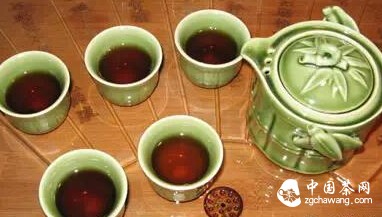
8. Strong Tea
Strong tea contains large amounts of caffeine, theophylline, etc., which are highly stimulating. Drinking strong tea can lead to insomnia, headache, tinnitus, blurred vision, and is also bad for the stomach. Some people may feel nauseous after drinking it.
9. Overnight Tea
Especially tea that has changed flavor, even if the change is not yet noticeable, likely harbors a large number of bred bacteria. Because tea leaves contain a large amount of protein, most of which does not dissolve in hot water and remains in the leaves. When the water temperature is high, the protein on the tea leaves can rot. After being left overnight, an enzyme mold can develop. At the same time, a large amount of tannic acid remaining in the tea turns into a highly irritating oxide, which can irritate the stomach and cause inflammation. Therefore, overnight tea is not suitable for consumption.
10. Raw Tea is Not Suitable for the Elderly
So-called raw tea refers to roasted green tea that is directly dried after de-enzyming without rolling. The natural green appearance of this tea retains compounds largely similar to those in fresh leaves. Low-boiling-point aldehyde and alcohol compounds are not much transformed or volatilized, and the fragrance carries a strong raw, grassy taste. When elderly people drink this kind of green tea, it strongly irritates the gastric mucosa and can easily cause stomach pain after drinking; young people may also feel stomach discomfort after drinking it, commonly referred to as "scraping the stomach." If you mistakenly purchase this kind of raw tea, it is best not to brew and drink it directly. You can place it in a grease-free iron pan and slowly stir-fry over low heat to remove the raw, grassy taste. It can be consumed after a light chestnut aroma develops.