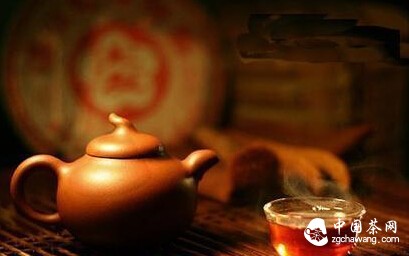
Getting started with dark tea appreciation is not complicated; just grasp five essential aspects.
Liquor Color
Hunan dark tea typically presents two main liquor colors: a bright, clear red or a luminous orange-yellow. The red hue resembles aged red wine, pleasing to the eye, with clarity—free from sediment or turbidity—being the ideal.
Fungal Aroma
Authentic dark tea possesses a unique fermented aroma—reminiscent of sweet rice wine—which is the signature scent from the primary pile-fermentation process. Fu Brick Tea, in particular, contains "golden flowers" (Eurotium cristatum), giving this type of dark tea a distinctive fungal floral fragrance.
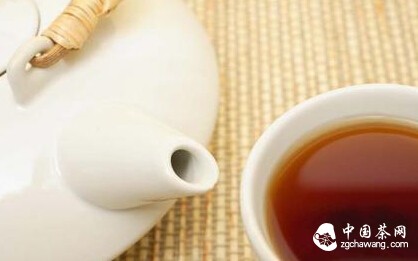
Taste Profile
How to describe the taste of Hunan dark tea? It enters the mouth with a slight sharpness but quickly transitions to a mellow and balanced flavor. A subtle astringency lingers at the back of the tongue after swallowing, accompanied by a pure sweetness without cloyingness. This sensation becomes more pronounced after the third or fourth infusion.
Aged dark tea offers a mellow and full-bodied taste. The initial infusion is sweet, smooth, and rich but not greasy, with a slightly sour aftertaste. The middle infusions are pure and sweet with a refreshing clarity, seeming to melt in the mouth. Even as the liquor color lightens in later infusions, the taste remains purely sweet and free of off-flavors.
Brewing and Boiling
In terms of brewing method, dark tea differs from green tea—it must be brewed with vigorously boiling water. This is crucial to remember.
Typically, dark tea from Hunan includes brewing instructions on the packaging. For steeping, the manufacturer often recommends 2-3 minutes. However, if you prefer a lighter taste, a steeping time of 20-30 seconds is sufficient. Gradually increase the steeping time with subsequent infusions.
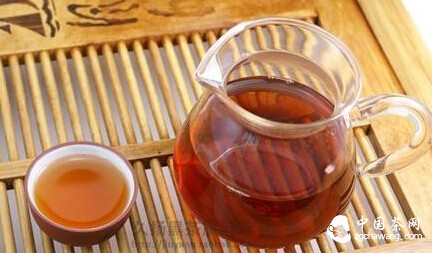
To achieve the ultimate flavor of dark tea, boiling is recommended. The specific method is: first bring water to a boil, then add the tea leaves. Heat until the water bubbles vigorously, and the tea liquor color gradually deepens—visibly showcasing the vibrant transformation of the dark tea. Immediately separate the tea leaves from the liquor afterwards.
Storage
"Aging enhances its quality." The value of dark tea increases with the years. Unlike other tea types that fear oxidation and moisture, dark tea can continuously improve its quality under natural conditions.

Key Points for Storing Dark Tea:
1. Keep in a cool place, away from sunlight. Sunlight can rapidly oxidize the tea, producing chemical compounds like a sun-dried flavor that persists.
2. Ensure ventilation, avoid airtight sealing. Ventilation aids natural oxidation, allows the tea to absorb moisture from the air, accelerates the warm, humid oxidation process, and provides moisture and oxygen for microbial metabolism. Never seal in plastic bags; use breathable packaging materials like kraft paper instead.
3. Store in an open, odor-free environment. Tea has a strong ability to absorb odors, so it must not be stored near substances with strong smells. Keep it in a spacious, well-ventilated area. (By Wu Ce, Xiao Guan)