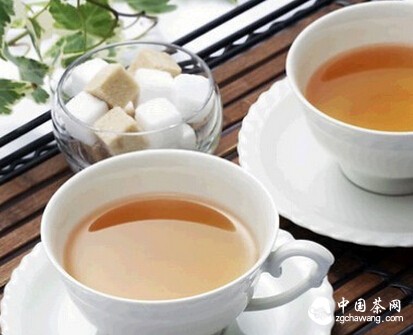
Although tea is a healthy beverage, it should be consumed according to individual circumstances. Personal health conditions determine when and what type of tea to drink.
1. Avoid tea when having a fever.
The caffeine in tea can not only raise body temperature but also reduce drug efficacy.
2. People with liver disease should avoid tea.
Most substances like caffeine in tea are metabolized by the liver. If the liver is impaired, excessive tea consumption can damage liver tissue.
3. Those with neurasthenia should drink tea cautiously.
Caffeine in tea stimulates the central nervous system. Drinking strong tea, especially in the afternoon or evening, can cause insomnia and worsen the condition. It is advisable to drink tea only in the morning and early afternoon—perhaps floral tea in the morning and green tea in the afternoon—and avoid tea at night to promote better sleep.
4. Pregnant women should avoid tea, especially strong tea.
Tea contains large amounts of polyphenols and caffeine, which can negatively affect fetal development. To ensure normal intellectual development and avoid overstimulation from caffeine, pregnant women should limit or avoid tea.
5. Nursing mothers should not drink strong tea.
Excessive caffeine can pass into breast milk, making the baby restless and prone to crying and sleeplessness.
6. Ulcer patients should drink tea cautiously.
Tea stimulates gastric acid secretion, which can irritate ulcers and worsen the condition. Mild cases may drink weak tea two hours after medication. Sweetened black tea or milk tea can help reduce inflammation and protect the gastric mucosa. Tea may also block the formation of nitrosamines, preventing precancerous mutations.
7. Avoid tea if malnourished.
Tea breaks down fat, which can exacerbate malnutrition.
8. Avoid strong tea when intoxicated.
Tea stimulates the central nervous system and increases cardiac load. Its diuretic effect may cause toxic aldehydes from alcohol to be excreted through the kidneys, harming renal health.
9. Be cautious when taking medicine with tea.
Medicines vary in properties. Tannins and theophylline in tea can react with certain drugs, such as sedatives, iron supplements, enzyme preparations, and proteins, reducing efficacy. Some herbal medicines like ephedra and coptis should not be taken with tea. Generally, avoid tea within two hours of taking medicine.
10. Anemia patients should avoid tea.
Tannic acid in tea binds with iron, forming insoluble compounds and reducing iron absorption.
11. Urinary stone patients should avoid tea.
Urinary stones are often calcium oxalate. Tea contains oxalic acid, which can combine with calcium to form stones, worsening the condition.
12. Avoid drinking tea on an empty stomach.
Drinking tea on an empty stomach dilutes gastric acid, inhibits secretion, hinders digestion, and may cause "tea drunkenness" symptoms like palpitations and headaches. It also affects protein absorption and may cause gastritis. If "tea drunkenness" occurs, eating candy or drinking sugar water can help.
13. Avoid drinking large amounts of tea before or after meals.
Avoid tea about 20 minutes before or after meals, as it dilutes gastric juice, hinders digestion, and the oxalic acid in tea can react with iron and protein in food, reducing absorption.
14. Avoid drinking tea before bedtime.
Avoid tea within two hours of sleep, as it can cause excitement and insomnia, especially with freshly picked green tea.
15. Avoid drinking overnight tea.
Freshly brewed tea is best. Tea left overnight loses nutrients and may spoil, causing illness.
16. Avoid drinking the first brew of tea.
Modern tea cultivation, processing, and packaging may involve pesticides, fertilizers, or dust. The first brew is for rinsing; discard it and use fresh water for the second brew for a hygienic cup.
17. Children should not drink strong tea.
Strong tea contains high levels of polyphenols, which can bind with dietary iron, leading to iron-deficiency anemia. Children may drink weak tea (one-third the adult concentration).
18. Coronary heart disease patients should drink tea cautiously.
Those with tachycardia, premature beats, or atrial fibrillation should avoid strong tea, as caffeine and theophylline are stimulants that can exacerbate symptoms. They may drink weak tea. Conversely, patients with a heart rate below 60 bpm may benefit from tea to raise their heart rate, complementing medication.
19. The elderly should avoid raw tea.
Raw tea refers to green tea dried directly after fixation without rolling. It retains compounds similar to fresh leaves, with strong grassy notes that can irritate the gastric mucosa, causing pain. If purchased, lightly pan-fry it over low heat to reduce the grassy flavor before drinking.
20. Hypertension patients should avoid strong tea.
Strong tea is brewed with less than 50 ml of water per gram. Excessive caffeine can raise blood pressure, posing health risks.