Da Hong Pao tea is the foremost among Wuyi Mountain's traditional five famous teas, renowned worldwide, and is the king of Wuyi Rock Tea. If we were to grade Da Hong Pao, how would we distinguish its levels? Currently, based on the national "Regulations on the Protection of Products of Origin," relevant departments have also established sensory indicators for Da Hong Pao products. The tea produced that meets these standards is qualified to be called Da Hong Pao tea.
Classification Based on Different Qualities
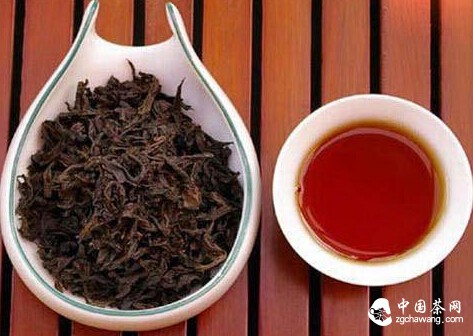
Special Grade Da Hong Pao — Da Hong Pao picked and processed in spring is of the best grade. During the spring tea season, there are generally no pest issues, no need for pesticides, and the tea is free from pollution. Therefore, spring tea, especially early spring tea, is often the highest quality tea of the year. Hence, many top-tier famous teas come from the early spring period.
First Grade Da Hong Pao — Da Hong Pao picked and processed in summer, as it coincides with the hot season, although the tea tree shoots grow rapidly (there's a saying, "Tea grows thick overnight by the Start of Summer"), they age easily. The content of amino acids and vitamins in the tea leaves significantly decreases, making summer tea less fresh and mellow in taste compared to spring tea, and its aroma is not as intense. The increased content of anthocyanins, caffeine, and tea polyphenols in summer tea results in a slightly more bitter and astringent taste, making its quality slightly inferior to Special Grade Da Hong Pao.
Second Grade Da Hong Pao — The autumn climate is between spring and summer. In the later part of autumn, although the climate is relatively mild, rainfall is often insufficient, which can make the picked and processed Da Hong Pao tea leaves appear rather old and dry. Especially since the tea trees have undergone harvesting in spring and summer, their internal nutrients are somewhat depleted. Therefore, the tea leaves produced during this time have relatively poor internal substances. Under these conditions, not only is the tea taste weak, but the aroma is also not high, and the leaf color is yellowish. The saying "For good taste, autumn White Dew" actually refers to the tea's "mild and bland flavor."
Classification Based on Different Tea Aromas
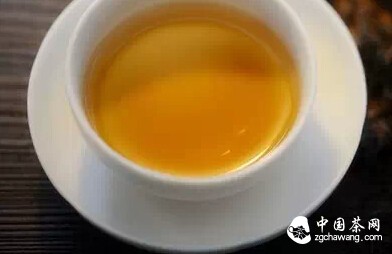
Fresh Fragrance Type. Its characteristics: fresh and clean, with the floral aroma carrying the fresh and brisk clarity of green tea. The taste is sweet and refreshing but carries a green astringency. The varietal characteristics are easily identifiable, but the rock essence (Yan Yun) is not prominent enough. The liquor is orange-yellow to yellow-green, relatively light. The brewed leaves are vibrant and pleasing to the eye, but the aroma does not store well, and the quality is prone to change. This type is suitable for new consumers just getting acquainted with Wuyi Rock Tea.
Ripe Fragrance Type. Its aroma is rich, deep, and heavy (not showing high clarity), with an excellent cup-bottom fragrance (lingering aroma). The taste is mellow, thick, sweet, and lively, with a strong rock essence and good endurance for multiple infusions, but it often carries miscellaneous flavors (such as stuffy or aged notes) and lacks purity. The liquor color is deep and concentrated, not fading easily even after long steeping. The brewed leaves are not visually appealing, and the varietal characteristics are subdued. The tea nature is milder and less irritating to the stomach. This type is suitable for "old tea connoisseurs."
Classification Based on Production Region
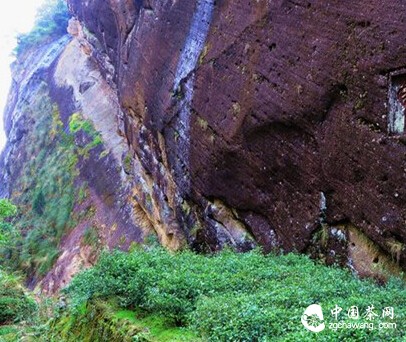
Analyzing and appreciating Da Hong Pao, distinguishing the differences between Zheng Yan, Ban Yan, and Zhou Cha? Historically, Wuyi Rock Tea has been classified according to production region into Zheng Yan (True Rock), Ban Yan (Half Rock), and Zhou Cha (Riverbank Tea).
The Zheng Yan area is further divided into two parts: the Famous Rock area and the Zheng Yan area. The Famous Rock area refers to the Three Pits and Two Streams region in Wuyi Mountain, namely Huiyuan Pit, Niulan Pit, Dakengkou, and the two streams: Liuxiang Stream and Wuyuan Stream. The Zheng Yan area refers to other peaks and rock areas besides the Three Pits and Two Streams.
Ban Yan refers to areas other than the Zheng Yan region.
Zhou Cha refers to tea produced on flat land along both sides of roads and riverbanks.
In the 2002 national geographical indication product protection standard text for "Wuyi Rock Tea," the production region of Wuyi Rock Tea was divided into the Famous Rock area and the Dan Yan area. In the 2006 revision of this standard text, the geographical indication product protection scope for Wuyi Rock Tea was limited to the administrative region under the jurisdiction of Wuyishan City.
Differences Between Commercial Da Hong Pao, Purebred Da Hong Pao, and Mother Tree Da Hong Pao
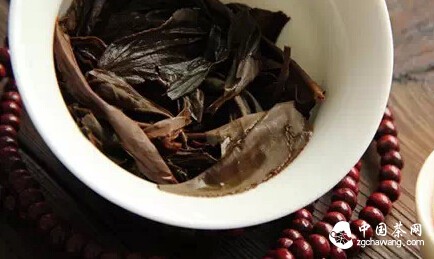
Difference of Mother Tree Da Hong Pao: As is relatively well-known, located within Jiulongke (Nine Dragons Nest) in the Wuyi Mountain scenic area, there are a total of 6 tea plant strains (all grown from seeds), comprising 6 tea trees. They are not the same variety; leaf shape, sprouting period, etc., are all different.
Purebred Da Hong Pao: Refers to Da Hong Pao processed separately from the cuttings (asexual propagation) and cultivation of a single strain from the mother tree Da Hong Pao. This Da Hong Pao also cannot be called second-generation or third-generation Da Hong Pao, as asexual propagation does not involve generations.
Commercial Da Hong Pao: Refers to Da Hong Pao made by blending tea leaves from two or more strains (generally 4-5 strains) of the mother tree Da Hong Pao. Each strain is also cultivated and transplanted through asexual propagation. This Da Hong Pao also cannot be called second-generation or third-generation Da Hong Pao.