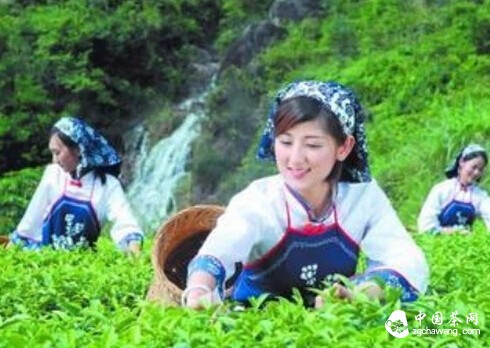
Anxi Tieguanyin is categorized by season: Spring Tea, Summer Tea, Summer-Heat Tea, Autumn Tea, and Winter Tea. The quality of the finished tea is best in spring and autumn, commonly described as "Spring Water, Autumn Fragrance," meaning spring tea has excellent liquor, is durable in brewing, and tastes mellow, sweet, and refreshing; autumn tea has a high, long-lasting aroma and is fragrant, sweet, and refreshing. It is highly favored by consumers.
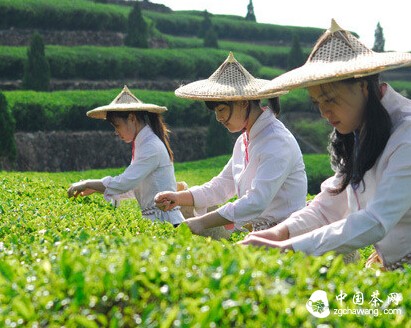
1. Spring Tea: From Grain Rain to the Beginning of Summer (mid-April to early May). Spring Tieguanyin has the highest yield among all seasons, accounting for 40-50%. As the tea trees have accumulated nutrients over a long period from winter to spring, the tea leaves are of the best quality in the year.
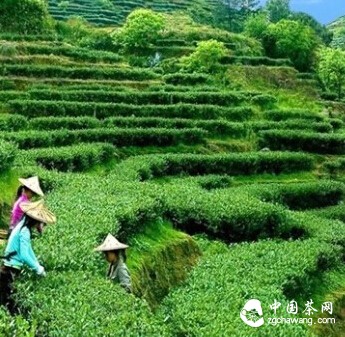
2. Summer Tea: From the Summer Solstice to Slight Heat (mid-June to early July).
3. Summer-Heat Tea: From the Beginning of Autumn to the End of Heat (early August to late August).
Summer Tieguanyin and Summer-Heat Tieguanyin are produced during the hottest seasons, with a yield of about 20%. As the time interval after spring tea is short, the nutrient accumulation in the tea trees is low, making the tea quality the poorest among all seasons.
4. Autumn Tea: From the Autumn Equinox to Cold Dew (late September to early October). Autumn Tieguanyin is the second highest in annual yield, accounting for 30-40%. The cool, high autumn weather with significant day-night temperature differences is very conducive to photosynthesis, nutrient accumulation, and the formation of aromatic substances. Therefore, the fresh leaves of autumn tea are not only rich in nutrients but also abundant in aromatic components. Additionally, the favorable climate conditions benefit tea processing, resulting in a higher proportion of high-quality and premium tea in autumn Tieguanyin compared to spring tea.
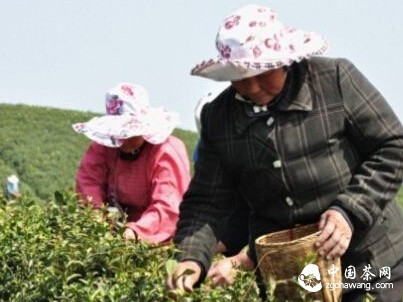
5. Winter Tea: Harvesting generally begins in late October. In some areas with higher temperatures, an additional season of winter tea can be produced. Winter Tieguanyin, also known as Winter Flake, is produced in small quantities as harvesting it can affect the yield of the following spring's tea. Due to the low winter temperatures, growth is slow, yield is low, and the content of internal substances is relatively less, but the content of aromatic substances is high.