For grains, go for "coarse" ones; for tea, go for "black" ones. Black tea is hailed as the "coarse grain" among teas. Don't underestimate these coarse, old leaves—they contain a rich deposit of health benefits. Black tea uses coarse, mature leaves as its raw material, offering unique advantages over the so-called "premium teas" made from tender leaves. It's like modern people starting to eat whole grains—its nutritional efficacy lies entirely in this "coarseness."
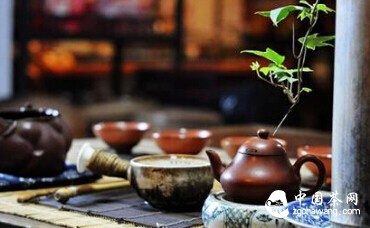
What is Black Tea?
Black tea, named for its dark appearance, is one of the six major tea categories. It is a post-fermented tea, primarily produced in Yunnan, Guangxi, Hunan, and other regions. Black tea uses relatively coarse raw materials, and its production process generally includes four steps: fixation, rolling, pile fermentation, and drying. Currently, popular varieties in the market, such as Guangxi Liupao tea, Yunnan Pu-erh (ripe tea), and Hunan brick tea, are all excellent representatives of the black tea family.
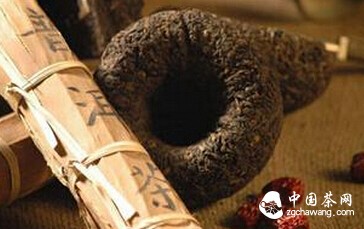
Black Tea: The "Coarse Grain" of Tea
First, coarse, mature leaves are rich in木质纤维 (dietary fiber) and tea polysaccharides. This木质纤维 can increase gastrointestinal motility and repair intestinal function. Additionally, the tea polysaccharide content in coarse leaves is 5 to 10 times higher than in tender leaves. Scientific measurements show that black tea has the highest and most active tea polysaccharide content. Tea polysaccharides have a significant effect on lowering blood sugar, as they protect and stimulate the secretory activity of insulin cells, thereby helping to reduce blood sugar levels. Long-term consumption of black tea can beneficially regulate blood lipids, blood sugar, and blood pressure, and it also has a positive regulatory effect on body weight and shape.
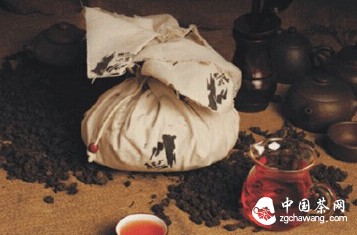
Second, coarse leaves contain abundant tea pigments. The main components of black tea's liquor color are theaflavins and thearubigins. Research indicates that theaflavins are effective free radical scavengers and antioxidants, offering benefits such as beautifying the skin, anti-cancer properties, anti-mutation effects, and antibacterial and antiviral actions. Their greatest efficacy lies in preventing the formation of plasma lipids and delaying the formation of cardiovascular and cerebrovascular thrombosis.
Third, they are rich in proteins and special amino acids. Tea leaves contain 20% to 30% leaf protein. During the pile fermentation and aging process of black tea, a large amount of γ-aminobutyric acid (GABA) is formed. GABA can improve cerebral blood circulation, increase oxygen supply, enhance brain cell function, has a notable blood pressure-lowering effect, and is very helpful in alleviating menopausal syndrome. The unique theanine in black tea also helps inhibit blood pressure elevation.
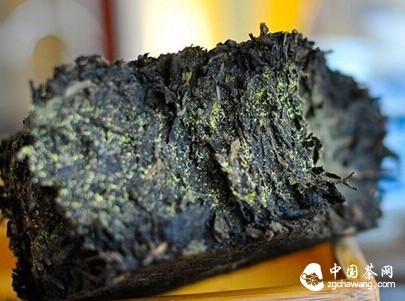
"Golden Flowers" Bloom: The "Lingzhi" in Tea
After being steamed and compressed at high temperatures, black tea retains a certain level of temperature and humidity inside the leaves. During storage, the internal substances continue to transform, making the flavor mellower, the liquor color darker, and revealing a aged aroma—hence, it improves with age. Some may even develop beautiful "golden flowers," particularly evident in Guangxi Liupao tea and Hunan Fu brick tea. This is a beneficial fungus, also known as Eurotium cristatum. It secretes amylase and oxidase, which can catalyze the conversion of starch in the tea leaves into monosaccharides and catalyze the oxidation of polyphenolic compounds, making it the "top grade" among black teas.
Apart from black tea, this fungus has only been found in thousand-year-old Lingzhi mushrooms in nature. "Golden flower" tea is of high quality because Eurotium cristatum plays an auxiliary and catalytic role in the post-fermentation process of tea. It participates in oxidation, polymerization, and degradation, transforming related substances in the tea, converting starch into monosaccharides, and catalyzing the oxidation of polyphenolic compounds, thereby making the tea liquor sweet, refreshing, mellow, and flavorful.