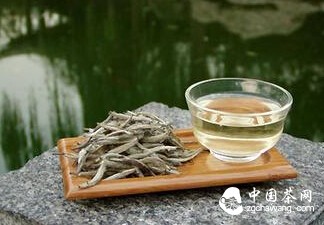
Aged white tea, which is white tea stored for many years, refers to a reasonable shelf life, such as 10 to 20 years. During the years of storage, the internal components of the tea leaves slowly change: the aroma gradually volatilizes, the liquor color turns red, the taste becomes mellow, and the nature of the tea shifts from cooling to warming.
Generally, tea has a shelf life of two years because, even if well-preserved, its aroma dissipates after that period. White tea, however, is different. Like raw Pu-erh, the longer it is stored, the richer and more aromatic it becomes. It is often said, "One year is tea, three years medicine, seven years treasure." White tea aged five to six years can be considered aged, while teas over ten or twenty years old are very rare. The longer white tea is stored, the higher its medicinal value, making aged white tea highly collectible.
The reasons for the high value of aged white tea:
First, the production of white tea itself is limited, meaning there are few tea plant varieties suitable for making white tea. The famous ones are only found in areas like Fuding and Zhenghe County in Fujian.
Second, the Taimu Mountain in Fuding, Fujian, has produced tea since ancient times, so ancient tea tree communities exist there. Fuding Big White Tea was transplanted and propagated from these ancient tea trees and has been recognized by the state as a superior tea plant variety, named Hua Tea No. 1 and Hua Tea No. 2. It is a small arbor type with thick, soft leaves, abundant fine hairs, and strong buds. It has a long growth period, vigorous growth, and strong stress resistance. The environment suitable for growing Big White Tea is scarce, with only a few counties and cities in eastern Fujian, including Fuding and Zhenghe, being ideal.
Third, the production process is simple and natural, following ancient methods: no frying or rolling, appropriate spreading and air-drying, natural withering, and timely baking. This requires high skill in tea-making techniques.