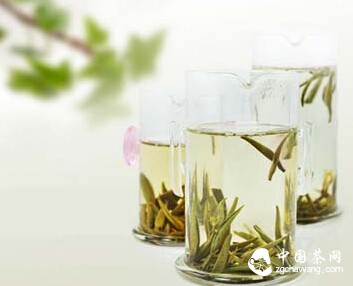
Aged White Tea, meaning white tea stored for many years, refers to tea kept within a reasonable shelf life, such as 10 to 20 years. During the extended storage period, the internal components of the tea leaves slowly change: the aromatic compounds gradually volatilize, the tea soup turns redder, the flavor becomes mellower and smoother, and the nature of the tea shifts from cool to warm.
Generally, tea has a shelf life of two years because, beyond that, even if well-preserved, its aroma largely dissipates. White tea, however, is different. Like raw Pu-erh, the longer it is stored, the richer and more fragrant it becomes. There is a saying: 'One year is tea, three years is medicine, seven years is treasure.' Typically, white tea aged five to six years can be considered aged, while teas aged over ten or twenty years are quite rare. The longer white tea is stored, the higher its medicinal value, making aged white tea highly collectible.
One characteristic of white tea, similar to Pu-erh tea, is that its medicinal value increases with storage time. White tea is also rich in vitamin A precursors, which are quickly converted into vitamin A in the body, helping prevent night blindness and dry eye syndrome. Additionally, white tea contains anti-radiation substances that significantly protect the body's hematopoietic function and reduce harm from television radiation. Therefore, drinking more white tea while watching TV is highly beneficial, especially for children, as it helps protect their eyes and promote overall health.
In summary, aged white tea has strong health benefits. You can purchase some white tea to drink while storing the rest. The medicinal and health functions of aged white tea are considerable, and it is recommended for middle-aged and elderly people to drink it regularly to help prevent the three highs (hypertension, hyperlipidemia, and hyperglycemia).