Tea is one of the most beloved beverages among Chinese people and one of the world's four major drinks. The history of Chinese tea drinking can be traced back to the ancient era of Shennong. Throughout this long history, various claims about tea have circulated. Today, this article will tell you three theories about "overnight tea" to resolve common doubts.
1. Nitrite Levels in Overnight Tea Do Not Increase
Many people believe overnight tea should not be consumed. Today, Teacher Yu wants to tell you that experiments have been conducted with Pu'er tea, chrysanthemum tea, and Longjing tea. After brewing, they were left for 12 hours and 24 hours—timeframes sufficient to meet the definition of "overnight tea." Tests revealed that for both Pu'er and chrysanthemum tea, whether left for 12 or 24 hours, the nitrite content did not exceed standards, remaining below 0.2 mg/L. Although Longjing tea's nitrite content was slightly higher, around 0.26 mg/L, it was still below the national standard of 1 mg/L.
In fact, a cup of plain water left for 24 hours will have higher nitrite levels than tea. This is because tea contains antioxidants like tea polyphenols, which can reduce nitrite formation. So, there's no need to worry.

2. Don't Worry About the Darkening Tea Color
After addressing nitrite concerns, some may ask: Why does the color of overnight tea clearly change? Teacher Yu explains: Freshly brewed tea typically appears yellowish-green because theaflavins from the tea leaves are extracted. These are antioxidants that can help prevent various cardiovascular diseases. When overnight tea turns from yellowish-green to reddish-brown, it's because theaflavins have oxidized into thearubigins. Even though the color changes, the antioxidant capacity remains largely unchanged. So, there's no need to worry about the color change.
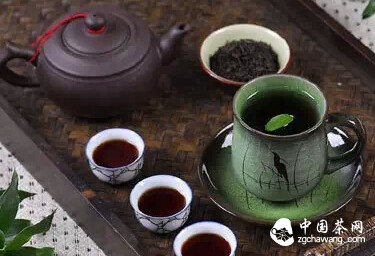
3. Dilute Overnight Tea with Hot Water
Overnight tea is usually tea from the previous night. Drinking it on an empty stomach in the morning can irritate the gastrointestinal tract, especially for those with sensitive stomachs. Therefore, it's recommended to add some hot water to dilute it.
After reading these three points, you shouldn't have doubts about drinking overnight tea anymore.
In fact, overnight tea that hasn't spoiled is not only safe to drink but also offers the following health benefits:

Anti-cancer and Antioxidant: Tea left for a long time turns reddish-brown because tea polyphenols oxidize into reddish-brown tea pigments. Research shows that both tea polyphenols and tea pigments have strong anti-cancer and antioxidant effects. Although the vitamin C content in overnight tea decreases significantly, it still retains disease-preventing properties.
Stanching Bleeding: Overnight tea is rich in acids, which can help stop capillary bleeding. For conditions like stomatitis,
tongue sores, eczema, or gum bleeding, rinsing with overnight tea can help. It can also be used to wash sores, abscesses, or skin bleeding.
Brightening Eyes: The tea polyphenols in overnight tea have antibacterial and anti-inflammatory effects. If eyes appear bloodshot, washing them with overnight tea several times a day can help.
Relieving Itching: Washing hair or wiping the body with warm overnight tea can quickly relieve itching due to the fluoride content and also help prevent eczema.
Promoting Hair Growth: Washing hair with overnight tea can promote hair growth and eliminate dandruff. If eyebrows are sparse, brushing them daily with overnight tea can, over time, make them thicker and shinier.
Strengthening and Cleaning Teeth: Fluoride in tea combines with tooth enamel after calcification, enhancing resistance to acidic substances and reducing cavities. Fluoride also helps eliminate dental plaque. It's best to rinse with tea water 2-3 minutes after meals.
Eliminating Bad Breath: Tea contains aromatic essential oils. Rinsing with a few mouthfuls of overnight tea before or after brushing in the morning or after meals can freshen breath. Regular tea rinses can eliminate bad breath.
Sun Protection: For skin sunburned by the sun, gently wipe with a towel dipped in overnight tea. Tannic acid has an astringent effect on the skin, and flavonoids in tea also have anti-radiation properties.