Oolong Tea, also known as Qing Tea, is a semi-fermented to fully fermented tea category, representing a tea type with distinct Han Chinese characteristics among China's major tea classes. Chinese Oolong tea is primarily divided into four main producing regions: Northern Fujian, Southern Fujian, Taiwan, and Guangdong, each with its own unique and charming aroma profiles. Today, let's explore the world of Oolong together~
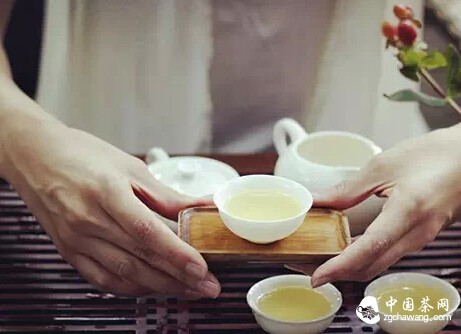
【Guangdong Region】
The Guangdong Phoenix Mountain tea region has an altitude of over 1400 meters, with rich soil abundant in organic matter. Phoenix Dancong is renowned for its rich and intense aroma profiles. The commonly mentioned "Ten Major Aroma Types" include Honey Orchid, Ginger Flower, Ring Branch, Zhilan, Jasmine, Apricot Flower, Pomelo Flower, Bamboo Leaf, etc., with the most common being the Honey Orchid type.
Ginger Flower Dancong: Ginger Flower Aroma
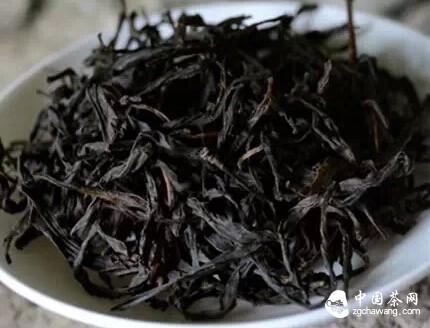
Ginger Flower Dancong belongs to one of the ten major aroma types of Phoenix Dancong. Because of its clear, high, and bright ginger flower aroma, it is also called "Tongtian Xiang" (Reaching-the-Sky Aroma) by tea farmers. The tea soup of Ginger Flower Dancong is relatively light in color. Combined with its pronounced ginger flower fragrance, it resembles a cup of flower nectar, offering sweetness and moisture with a slight ginger spiciness, making it particularly refreshing and invigorating to drink in autumn.
Brewing TIPS: Place 8 grams of tea leaves in a 150ml gaiwan or purple clay teapot. Rinse the tea with 95°C water for 5 seconds, then discard the liquid. The first infusion should be about 20 seconds, the second 25 seconds, and the third 30 seconds.
【Northern Fujian Region】
The representative tea of the Northern Fujian region is Wuyi Rock Tea, with the most famous being Da Hong Pao. The soil and topography of Wuyi Mountain's tea gardens are unique, mostly consisting of small gardens formed by rocks. The tea produced here has a distinctive, robust character, featuring heavy fermentation as its hallmark. The tea soup is thick and rich, with a bold floral and fruity aroma that is its greatest feature.
Zhengyan Rougui: Lush Flowers and Grasses in the Mountain Wilderness
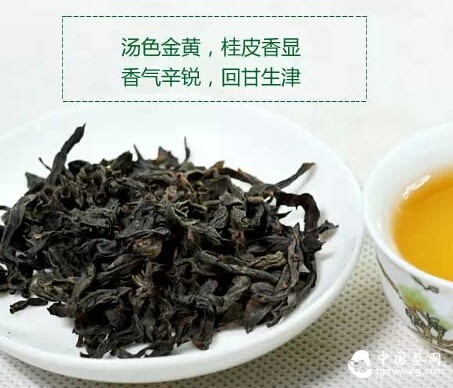
Some people describe the taste of Wuyi Rock Tea as "manly"—a very robust and domineering rocky-bone floral aroma, complex and rich, named for its typical spicy cinnamon (cassia) bark note. This bold and powerful character comes from the Danxia landform of Wuyi Mountain, the weathered rocky soil rich in years of alluvial humus, and irrigation with natural underground spring water, giving the tea produced here a unique freshness and pleasant sweetness.
The saying goes, "No aroma surpasses Rougui." The abundant and extraordinary fragrance of Rougui is unforgettable. The first and second infusions of Zhengyan Rougui have a distinct caramel aroma, which some tea masters describe as chrysanthemum-dai fragrance, somewhat similar to the honeyed aroma of a noble rot sweet white wine. From the third infusion onwards, rich floral and grassy notes begin to emerge, and the spicy cinnamon bark aroma becomes very noticeable.
Brewing TIPS: Place 8 grams of tea leaves in a 150ml gaiwan or purple clay teapot. Rinse the tea with 95°C water for 5 seconds, then discard the liquid. The first infusion should be about 10 seconds, the second 15 seconds, and the third 25 seconds.
Da Hong Pao: Balanced Orchid Fragrance
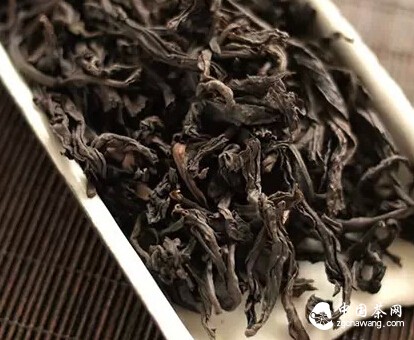
Another representative of Wuyi Rock Tea. Da Hong Pao enjoys the highest reputation among Wuyi's famous tea varieties, known as the "Number One Scholar among Teas." When rinsing the tea, one can smell the fresh floral, woody, and grassy aromas of the mountain rocks. It possesses a highly characteristic, well-balanced floral fragrance and sweetness, with a typical orchid aroma that simultaneously gathers many different floral notes, making it rich and full-bodied.
Brewing TIPS: Place 8 grams of tea leaves in a 150ml gaiwan or purple clay teapot. Rinse the tea with 95°C water for 5 seconds, then discard the liquid. The first infusion should be about 10 seconds, the second 15 seconds, and the third 25 seconds.
【Southern Fujian Region】
Represented by Tieguanyin. New bush Tieguanyin is characterized by a floating orchid fragrance, lightly fermented with a subtle, elegant depth. Traditional charcoal roasting makes it more mellow. Within the warm, steady aroma of charcoal fire, a rich floral fragrance emerges, offering great comfort and warmth in the early autumn when the weather alternates between warm and cool.
Charcoal-roasted Tieguanyin: Orchid Fragrance from the Charcoal Fire
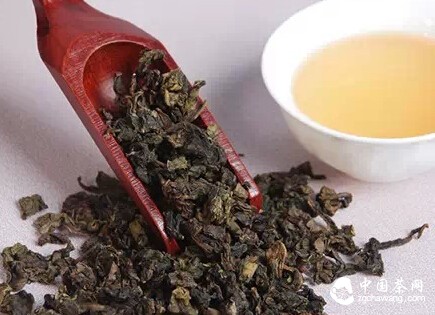
Tieguanyin is famous for its rich, high-pitched orchid fragrance. Charcoal-roasted Tieguanyin involves further roasting traditionally semi-fermented Anxi Tieguanyin over charcoal to reduce the green taste, tea astringency, and caffeine. Regardless of the roasting level, the tea soup of charcoal-roasted Tieguanyin is always clear and bright. It tastes sweet with a distinct charcoal fire aroma, making one feel thoroughly comfortable and warm.
Brewing TIPS: Place 7 grams of tea leaves in a 150ml gaiwan or purple clay teapot. Rinse the tea with 95°C water for 10 seconds, then discard the liquid. The first infusion should be about 15 seconds, the second 20 seconds, and the third 25 seconds.
【Taiwan Region】
Taiwan boasts a rich variety of Oolong teas, with "Dongding" as a representative, featuring lighter floral aromas but a delicate, refined, and uniquely fresh, scholarly character. Additionally, Oriental Beauty and Wenshan Baozhong also have certain representativeness.
Dongding Oolong: Narcissus Fragrance from the High Mountains
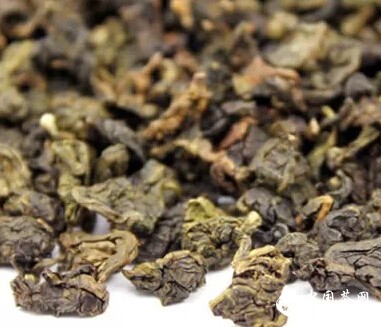
Dongding Oolong can evoke the意境 of "high mountains and long rivers" and is a representative Taiwanese tea. The name "Dongding" comes from Taiwan's Dongding Mountain, with an altitude of 743 meters, perpetually shrouded in mist and rain. Those climbing the mountain must tiptoe to ascend, colloquially called "freezing the toes" in Taiwanese slang.
Dongding Oolong tea leaves are granular, hemispherical in shape. The tea soup is light in color, with a full-bodied aroma upon entry and a soft, sweet, lingering aftertaste, making it very fresh and elegant. Dongding Oolong possesses a pleasant honey aroma and a pronounced milky fragrance (pronounced relative to tea, a gentle natural herbal aroma, somewhat similar to the term "creamy" in wine terminology), with fresh white floral notes like narcissus.
The rinsing time for Dongding Oolong is 10 seconds (rinsing refers to pouring hot water into the pot to moisten the leaves, then discarding the water, essentially pre-washing the cup and leaves). Rinsing is the best time to appreciate the aroma, while the second and third infusions are best for savoring the floral fragrance in the tea soup.
Brewing TIPS: Place 8 grams of tea leaves in a 150ml purple clay teapot. Use 100°C water to rinse the tea for 10 seconds. The first infusion should steep for about 15 seconds, with each subsequent infusion increasing by 5 seconds (can be brewed over 10 times).
Oriental Beauty: Elegant and Refined Floral and Fruity Aroma
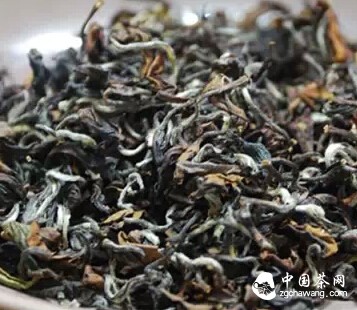
The name "Oriental Beauty" is said to have come from Queen Victoria, who found it fresh, refined, graceful, and elegant, with a subtle fragrance and origin in the East (Taiwan, China), thus bestowing the name "oriental Beauty Tea." Oriental Beauty tea belongs to the heavily fermented Oolong category. The tea leaves display a complex mix of red, green, white, yellow, and brown colors. The tea soup is golden or reddish-orange, presenting natural honey and ripe fruit aromas.
Every hot summer, this tea plant produces a glycoside substance that attracts small green leafhoppers to bite it. The fermentation process begins as soon as the cell walls are punctured. The insect's saliva mixes with the tea leaf enzymes, giving the tea its奇异 aroma. Due to this special process, Oriental Beauty tea absolutely cannot use pesticides and is essentially all organic tea.
Brewing TIPS: Place 6 grams of tea leaves in a 150ml gaiwan. The brewing water temperature should be about 90°C. Rinse the tea for about 5 seconds. The first infusion should be about 15 seconds, the second 20 seconds, and the third 30 seconds.