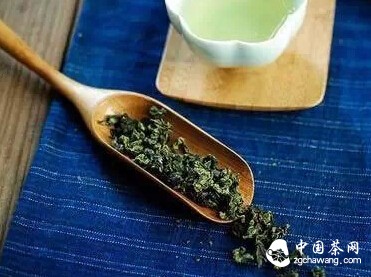
Tieguanyintea is a favorite for many tea lovers. A cup of rich, fragrant hot tea is the ultimate comfort in cold weather. Although daily tea drinking is not a performance, mastering a few small brewing tips truly honors the tea's aroma. As the weather gets colder, let's learn how to brew Tieguanyin together!
Daily brewing of Tieguanyin is quite different from a tea art performance. Many methods for brewing Tieguanyin found online are adapted from tea art performances, which are hard to understand and impractical. Here we compile the most everyday method for brewing Tieguanyin, for the reference of Tieguanyin enthusiasts.
1. First, Prepare the Water
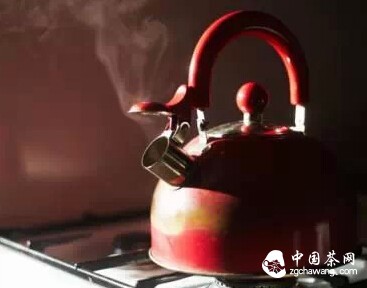
Use a gas stove, electric kettle, induction cooker, or similar tools to boil water. Brew immediately after it boils.
Because brewing tea requires a high temperature, the water must be boiling at 100°C. Two conditions need to be met: it must be 100°C and it must be actively boiling. Boiling + 100°C ensures the maximum heat content in the water. This is easy to achieve: keep the water in the kettle boiling, and pour it directly into a gaiwan or other teaware. Using water from a thermos will significantly reduce the effect.
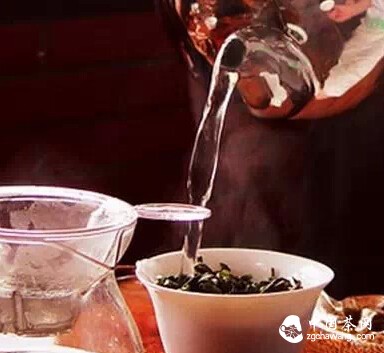
It is recommended to use high-powered water heating equipment to bring the water to a boil quickly, resulting in better brewed tea quality.
Moreover, the water quality for brewing Tieguanyin must be good. Well water, bottled water, spring water, or mineral water can be used. Never use tap water from the city. The better the water quality, the better the brewing result.
2. Prepare and Choose the Brewing Tools
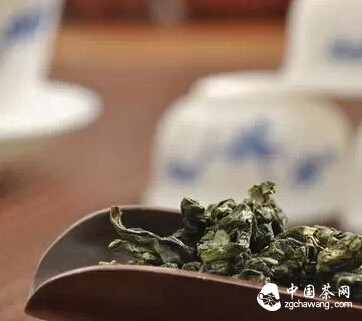
We take the gaiwan as an example because over 98% of Tieguanyin brewing in Anxi uses a gaiwan. The gaiwan is suitable for brewing Tieguanyin, especially the light-aroma type, which should not be steeped too long. It allows you to better appreciate the tea's aroma. The aroma of Tieguanyin oolong tea primarily refers to the fragrance on the gaiwan lid when brewing.
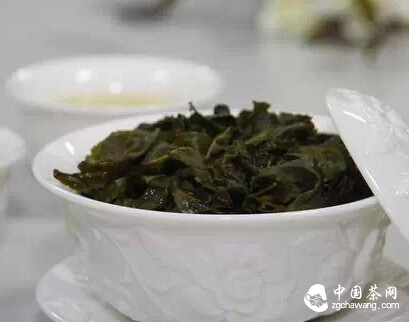
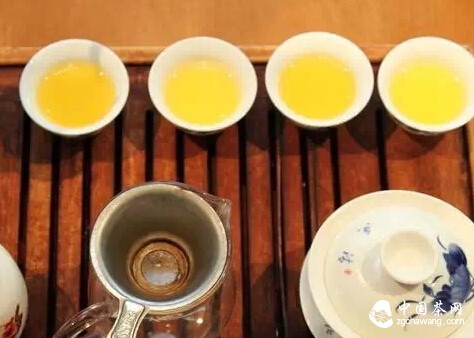
For a more refined setup, a tea pitcher and tea filter combined with the pitcher, as well as small tongs, are used. The tea tongs are for handing teacups to guests—they prevent burns and are hygienic.
High-white porcelain teaware serves as the best color reference for observing the color of the tea leaves, including the infused leaves and the tea liquor.
Teaware such as Yixing clay, because of its porous texture, can absorb some of the aroma, weakening the fragrance of Tieguanyin. It is not suitable for light-aroma Tieguanyin. It is acceptable for rich-aroma Tieguanyin, as the main focus for that type is the taste of the tea liquor.
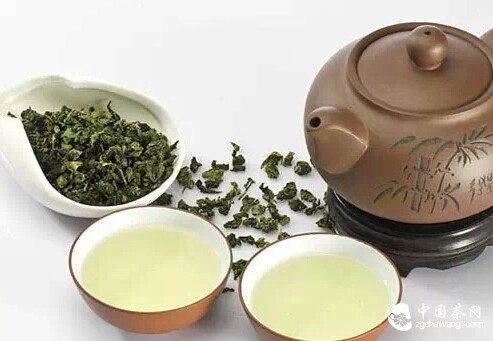
Once the water is boiling, rinse all the tea utensils with hot water.
3. Start Brewing the Tea
●1. Place the tea leaves into the gaiwan
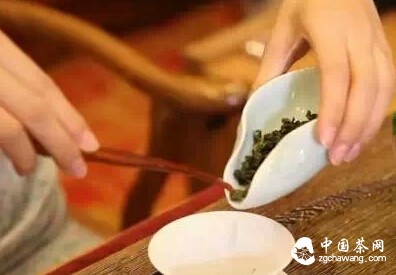
Most commercially available small-packaged Tieguanyin contains 7 grams per pack, so one pack is sufficient. There are also 8-gram packs, and in the Guangdong region, packs can be over 10 grams. Choose the gaiwan capacity based on the amount of tea leaves. If using loose tea, adjust the amount according to your needs; add more if you have many guests or prefer a stronger brew.
●2. "Rinse the tea"
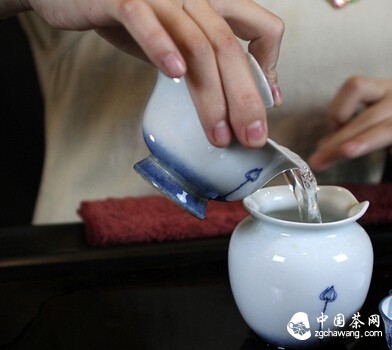
Pour boiling water in and discard it immediately. The purpose is to moisten the tea, raise the leaf temperature, and allow the tightly curled leaves to open slightly, facilitating the release of aroma during the second infusion. Some articles claim this is for hygiene, to "wash" the tea. This view is one-sided.
●3. Steep and enjoy the aroma
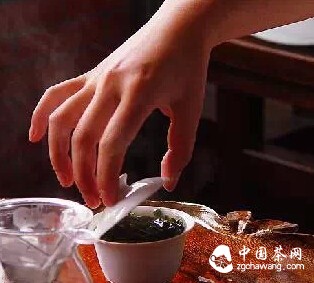
Pour boiling water in again, cover the gaiwan, and wait for a while. The time is up to you—steep longer for a stronger brew. Then lift the lid to smell the aroma. The fragrance on the lid is one of the most important indicators of tea quality.

Some beginners to Tieguanyin always ask about the steeping time for each infusion. Let me explain: first, don't take tea brewing too seriously or tensely. Approach it with a relaxed and natural mindset. There is no fixed procedure. For example, people in Guangdong often use a large amount of tea leaves but steep for an extremely short time.
If you truly want a timed steeping guide, using 7 grams of Tieguanyin in a 110ml gaiwan as an example: The general principle for light-aroma Tieguanyin is "do not steep too long," as prolonged steeping can overcook the aroma and make it muddy. How long is too long? Generally, do not exceed 35 seconds. This is not absolute; some tea leaves are looser and release flavor quickly, while others are more tightly rolled and need a longer first steep.
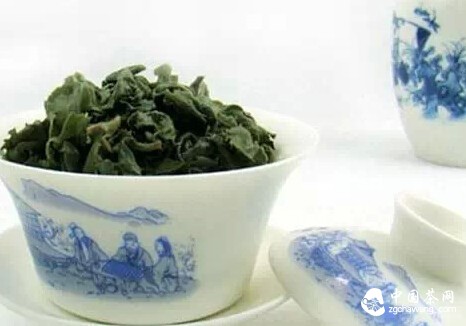
You can adjust according to your experience. Each steep is about 30 seconds. After the 4th steep, you can extend the time slightly. Adjust based on your taste; if the flavor seems weak, steep longer. If too strong, steep for less time.
●4. After smelling the aroma, pour the tea liquor into the tea pitcher
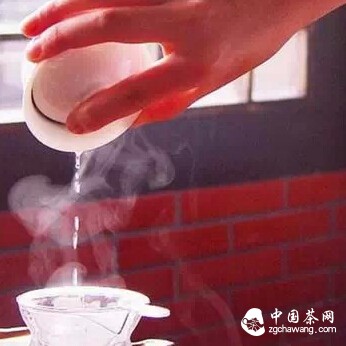
Place a tea filter on the pitcher to catch any tea leaf fragments. Tieguanyin inevitably contains some small bits during production, so filtering is useful. Alternatively, you can pour directly into small cups.
●5. Pour the tea liquor from the pitcher into small teacups
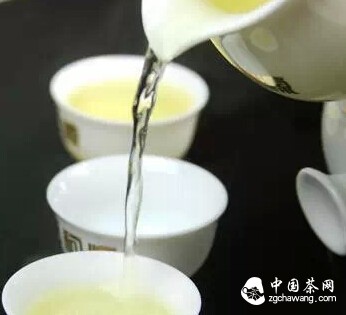
Then appreciate the color of the tea liquor.
●6. Use tongs to serve the teacups to guests
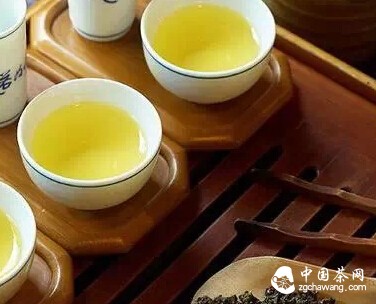
●7. Taste the tea liquor

Finally, appreciate the aroma, taste, and mouthfeel of the tea liquor.
●8. Repeat steps for the second, third infusions, etc.
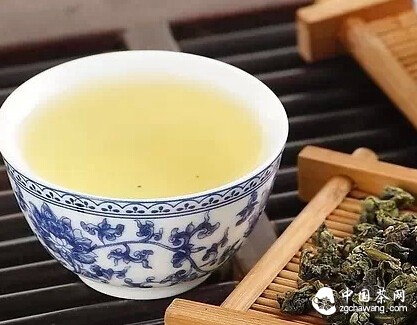
The number of infusions depends on the tea's durability and personal preference.
Generally, the durability ranking by tea type, from high to low, is: Aged Tieguanyin > Rich-aroma Tieguanyin > Flavor-aroma Tieguanyin > Light-aroma Tieguanyin. For the same type of Tieguanyin, durability is generally higher with: heavy fermentation > light fermentation; tender leaves > coarse leaves; high-mountain Tieguanyin > lowland Tieguanyin.