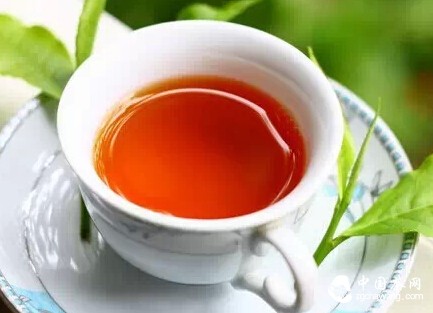
1. Refreshing and relieving fatigue
Medical experiments have found that caffeine in black tea stimulates the cerebral cortex to excite the central nervous system, promoting alertness, concentration, and sharper memory. It also stimulates the cardiovascular system, strengthens heartbeats, accelerates blood circulation, promotes metabolism, sweating, and urination, helping to eliminate lactic acid and other metabolic waste, thereby reducing fatigue.
2. Gentle nature, warming and nourishing
Black tea is rich in protein and sugar, making it warm and moisturizing. In winter, the climate is often cold and damp, and the body is prone to cold and dampness. The warm nature of black tea helps nourish yang energy, enhance the body’s ability to withstand cold, and warm the stomach. Adding honey, ginger, or milk can enhance its warming effect and provide additional nutrients.
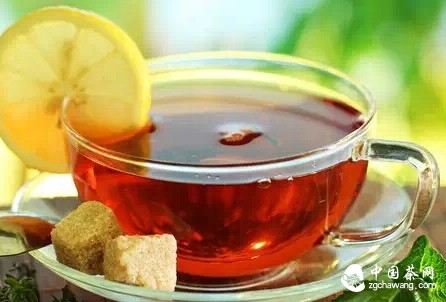
3. Diuretic effect
The caffeine and aromatic substances in black tea increase renal blood flow, improve glomerular filtration rate, dilate renal microvessels, and inhibit water reabsorption in the renal tubules, thereby increasing urine output. This helps eliminate lactic acid, uric acid (related to gout), excess salt (related to high blood pressure), and harmful substances, and alleviates edema caused by heart disease or nephritis.
4. Anti-inflammatory and antibacterial
Polyphenols in black tea have anti-inflammatory effects. Experiments show that catechins can bind to single-cell bacteria, coagulate their proteins, and inhibit or kill pathogens. Therefore, black tea is beneficial for patients with bacterial dysentery or food poisoning. Strong tea is also traditionally used to wash wounds, bedsores, and athlete's foot.

5. Detoxification
Experiments show that tea alkaloids in black tea can adsorb heavy metals and alkaloids, precipitate and decompose them. This is especially beneficial for modern people whose drinking water and food may be contaminated by industrial pollution.
6. Strengthening bones
A study published by the American Medical Association on May 13, 2002, involving 497 men and 540 women over 10 years, indicated that people who drink black tea have stronger bones. Polyphenols in black tea (also present in green tea) inhibit the activity of substances that destroy bone cells. Manganese in black tea is essential for bone structure. Drinking black tea daily, especially with lemon or fruit, can help prevent osteoporosis during seasonal changes.

7. Antioxidant and anti-aging
In the past five years, the U.S. government has funded over 150 studies on green and black tea. Results show that antioxidants in both teas can destroy pathways for cancer cell chemicals. Dr. Mittleman from Beth Israel Deaconess Medical Center said black tea has similar effects to green tea but with more complex antioxidants, especially beneficial for the heart. American magazine reports that black tea's anti-aging effect is stronger than garlic, broccoli, and carrots.
8. Stomach-friendly and protective
Drinking green tea on an empty stomach can cause discomfort because tea polyphenols are astringent and stimulate the stomach. Black tea, being fermented, has reduced polyphenol content and is less irritating. It not only does not harm the stomach but can also nourish it. Drinking black tea with sugar or milk can soothe inflammation, protect the gastric mucosa, and help treat ulcers.

9. Digestive aid and de-greasing
In winter, people tend to wear heavier clothes, exercise less, and eat more fatty foods, leading to indigestion and fat accumulation. Drinking more black tea can help remove grease, cleanse the intestines, and aid digestion, helping to avoid weight gain.

10. Vasodilation and heart health
A recent U.S. medical study found that heart disease patients who drank 4 cups of black tea daily saw an increase in vasodilation from 6% to 10%. In winter, cold weather weakens cardiovascular activity, especially in the elderly. Black tea contains theaflavins and thearubigins, which have strong anti-lipid oxidation effects, inhibit vascular lipid peroxidation and platelet aggregation, and help prevent coronary heart disease or stroke, reducing heart attack risk. Elderly people can benefit from drinking black tea in winter to keep warm and prevent disease.