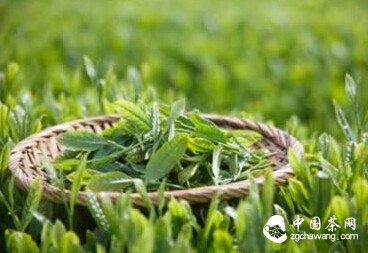
Green tea is very popular in southern China and is a commonly enjoyed tea category. Its drinking methods vary depending on the tea type and region. Green tea is generally brewed in transparent glass cups to showcase the quality and characteristics of the tea leaves for easy viewing. In the Jiangsu and Zhejiang regions, people prefer famous teas such as Longjing, Biluochun, and high-grade eyebrow tea. When drinking, great attention is paid to the cleanliness of the tea set and the quality of the water. Ordinary eyebrow tea and pearl tea are often brewed in porcelain cups. Porcelain cups retain heat better than glass cups, allowing the effective ingredients in the tea to be extracted more easily, resulting in a stronger tea liquor. Lower-grade tea leaves and green tea powder are often brewed using a teapot method to easily separate the tea liquor from the leaves for convenient drinking.
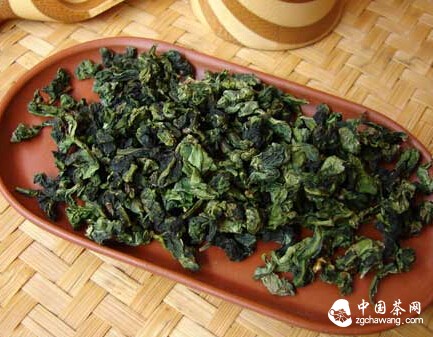
Oolong tea has many unique characteristics in its harvesting and processing, and the brewing method is even more particular. People in Fujian and Guangdong both favor oolong tea. Especially those from southern Fujian and the Chaoshan region are very particular about the tea variety, water, tea set, and brewing techniques when drinking oolong tea. They mostly drink top-grade oolong teas such as Wuyi Rock Tea and Anxi Tieguanyin. For brewing, they choose clean stream water or spring water. The tea set is complete, small, and exquisite, known as the "Four Treasures": the Yushuwei (kettle), Chaoshan Honglu (stove), Mengchen Guan (teapot), and Ruoshen Ou (small cups).
The Yushuwei is a flat, thin porcelain kettle that holds about 200ml of water. The Chaoshan Honglu is made of white iron, small and exquisite, using hard charcoal as fuel, sometimes sugarcane or olive pits, and care is taken to prevent smoke from entering the kettle mouth. The Mengchen Guan is mostly from Yixing, with purple being the most prized color, holding about 100ml of water. The Ruoshen Ou are small white porcelain cups, holding only about 10-15ml, mostly produced in Jingdezhen and other places.
When drinking tea, the stove is placed by the wall, the Yushuwei is set on it to boil water, and the tea set is cleaned with water at the same time. When steam gently rises from the kettle spout, boiling water is used to warm the Mengchen Guan and Ruoshen Ou. Oolong tea is then placed into the pot, filling it to about 60-70% of its capacity. Boiling water is poured in, the lid is used to skim off any foam, and then the lid is covered. Boiling water is poured over the lid to heat it further, and the Ruoshen Ou are also warmed. After two to three minutes, the tea liquor is evenly poured into each cup. Usually, one pot of tea is divided into four cups, pouring half into each cup first, then going back and gradually filling to 80% so that the tea liquor in each cup has an even flavor. At this point, one slowly sips the tea while putting fresh water into the kettle to prepare for brewing the next pot.
This brewing method produces a very strong liquor. When the lid is lifted, the pot is full of tea leaves, but the amount of liquor is relatively small. A single Ruoshen Ou holds only about 10-15ml of tea, perhaps not even a full mouthful. However, this drinking method allows for careful tasting, with a lingering aftertaste and a fragrant mouthfeel. This drinking method is also known as Gongfu tea.
When tasting oolong tea, one holds the cup, slowly moves it from the nose to the lips, inhales the fragrance while hot, and savors the flavor carefully. Especially with Wuyi Rock Tea and Tieguanyin, there is a distinct tea aroma. When smelling the tea, one does not hold the cup close to the nose for long but slowly moves it back and forth from far to near, feeling bursts of tea fragrance wafting over. When tasting, the tea is sweet and pleasant in the mouth, with an endless lingering charm.