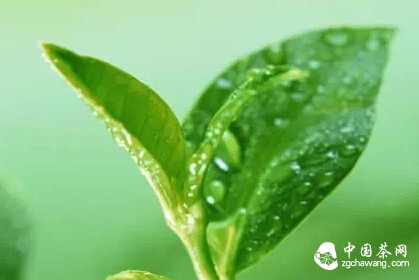
Tea's first life is the time it spends growing on the tree. The tea leaves on the tea tree live freely. When the tea tree transitions from a young age to full maturity and officially enters production, light pruning and deep pruning are employed to maintain vigorous growth and high, stable yields. Light pruning stimulates the germination of tea buds, making picking and management easier. Deep pruning removes clusters of branches, breaking through knotting obstacles, allowing the formation of a new crown, restoring and increasing yield.
Ancient mythology tells of Shennong tasting hundreds of herbs and using tea leaves as an antidote, indicating the long history of the tea tree. In Menglang Township, Lancang County, southwestern Yunnan, there is a lush ancient tea garden covering tens of thousands of acres, with a planting history of over 800 years. It is considered a rare treasure of contemporary tea culture, like a museum of tea trees.
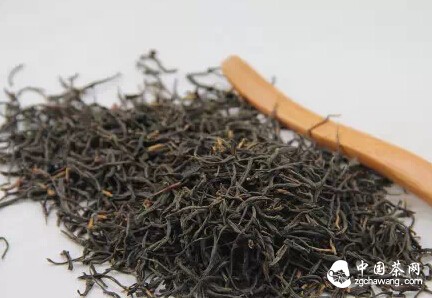
The second life of tea leaves occurs during the process of plucking, stir-frying, rolling, and ultimately shaping them into their characteristic forms. The production of tea is not only affected by weather conditions, but also by the different techniques of the workers during the stir-frying process, which influence the taste of the tea. This is why we often say, “It depends on the weather for growing and on the skill of the people for making tea.”
Stir-frying tea was an idea proposed by Zhu Yuanzhang, the founding emperor of the Ming Dynasty. In the early years of the Ming Dynasty, tea was offered from all directions as tribute. The most precious tribute tea at that time was called “Dragon and Phoenix Cake Tea.” The processing of this type of tea involved steaming and grinding, then pressing it into specific shapes using rice flour as a binder. To drink it, the tea cake was roasted, ground into a fine powder, and mixed with ginger, scallions, orange peel, salt, and other ingredients, then boiled into a porridge-like consistency. Zhu Yuanzhang found this too laborious and felt it made it difficult to taste the true fragrance of the tea. He instructed tea farmers to use the stir-frying method to produce strip-shaped loose tea, similar to today’s green tea, which can be brewed without adding any ingredients. This type of green tea primarily uses a combination of suppressing and uplifting methods for kill-green and drying.
A foreign poet once wrote: “From a cup of Chinese green tea, I see the spring of China.” If tea leaves were never stir-fried, the life of the tea would not be so vivid.
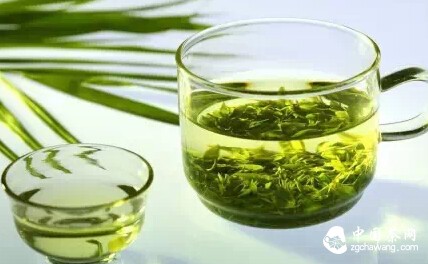
The third life of tea leaves is when the tea drinker uses water to infuse them, allowing them to stretch their form one last time, giving back their essence in return for the appreciation of those who understand them.
“Draw water from the river to brew new tea; buy all the green hills to serve as a painted screen.” This couplet by Zheng Banqiao describes a real scene and a genuine feeling. The phrase “buy all” turns the ordinary into something magical, with boundless emotion. The life of tea is contained within it. The color of normal Biluochun tea is relatively soft and bright. When brewed with boiling water, it looks tender, bright, and lustrous, with small white fuzz on the leaves. When tea meets water in the cup, it resembles elegant ink painting or swift cursive script. Those slender, curled, spiral-shaped Biluochun leaves slowly stretch their graceful posture. The liquor is clear, the leaves are tender green, and a fruity aroma wafts over.
Thus, the life of tea comes to us, adding joy and cheer, enriching our lives and making them more meaningful.