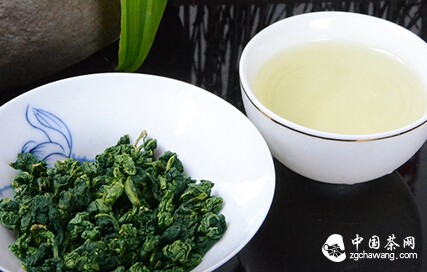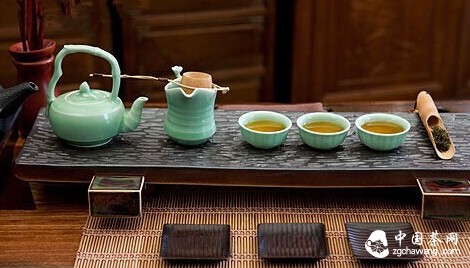
The vessel is the father of tea. There are many complex theories about choosing vessels, but by following a few principles, you'll be mostly right.
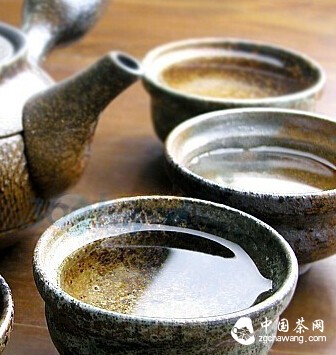
First, the fineness of the vessel and the degree of fermentation and age of the tea are directly proportional.
That is to say, the lower the degree of fermentation, the finer the vessel should be. For example, green tea is best suited to celadon or glassware, oolong tea to fine-grained purple clay, and black tea to coarse clay or coarser purple clay. This is because the finer the texture, the easier it is to bring out the warmth of lightly fermented or unfermented teas. Coarse clay, on the other hand, can absorb the off-flavors of aged tea—water passing through clay becomes sweeter, helping to release the stale air from old tea.
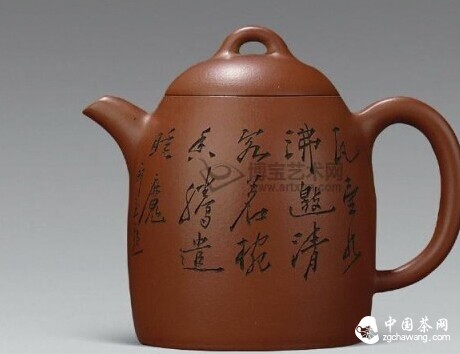
Second, the height of the vessel and the tenderness of the tea are directly proportional.
In principle, the older the tea, the less afraid it is of being steamed, so tall, deep vessels are suitable—such as Qin Quan or Han Duo purple clay pots—which can effectively extract the character of aged tea. For tender teas, such as green tea, lidless or shallow vessels should be chosen to avoid steaming the young buds. By this standard, tender-bud black tea, such as Jin Jun Mei, although highly fermented, should be brewed in shallow purple clay vessels due to its tenderness.
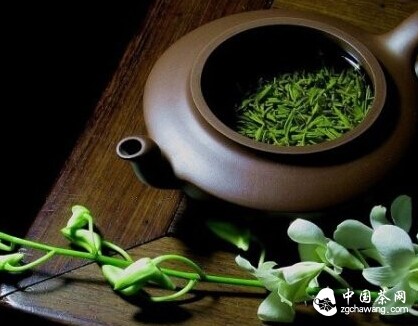
Third, the amount of aroma and the fineness of the tea vessel are inversely proportional.
Taking purple clay as an example: teas known for their aroma, such as oolong tea, should be brewed in finer-grained purple clay so that the aroma does not dissipate easily. Teas where the aroma is contained in the liquor, such as Pu'er, are better suited to coarser-grained purple clay.
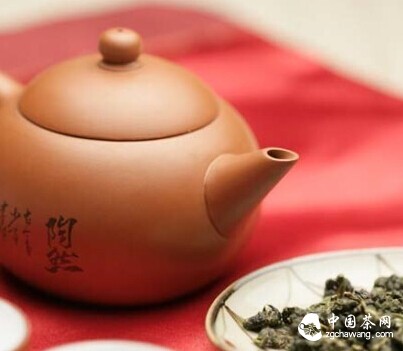
Fourth, when you cannot choose, a lidded bowl is a universal substitute.
Because a lidded bowl is highly controllable—by opening or closing the lid, you can either let out steam or trap heat to suit different tenderness and fermentation levels; by observing the liquor color, you can judge the strength and decide when to pour—it is an indispensable tea tool when you cannot prepare a full set of tea vessels.