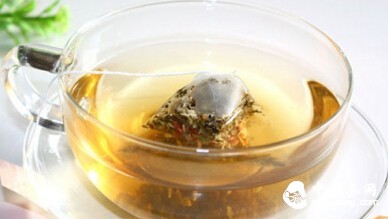
All types of tea share a common characteristic: the first brew extracts over 50% of the soluble substances. For ordinary tea, the second brew extracts about 30%, the third about 10%, and the fourth only 1–3%. Although high-quality tea is brewed fewer times, this is mainly because the tea leaves are tender, resulting in a fresh and excellent taste. From a nutritional perspective, after the first brew, 80% of vitamin C and amino acids are extracted, and after the second brew, over 95% is extracted. Other active components such as tea polyphenols and caffeine are also extracted most in the first brew, and after three brews, nearly all is fully extracted.

Some experts have said that “multiple brews of tea can release harmful substances like pesticides and heavy metals.” This statement has some truth, but there is no need for excessive concern. Most pesticides used in tea production in China have very low water solubility. Assuming a daily tea consumption of 10 grams, even if the tea has a residue of 1 mg/kg, the pesticide intake would be only 0.0001 mg—thousands of times below the daily allowable intake set by the World Health Organization. The leaching rate of heavy metals like lead in tea is also low. As long as tea is purchased from reputable manufacturers, its content will not exceed national standards.
The specific number of brews should depend on the tea quality and the amount used. Generally, the higher the quality, the more times the tea can be brewed.
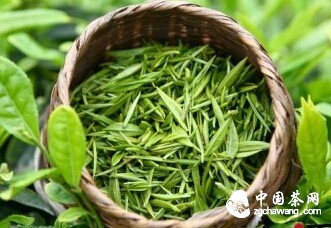
For unfermented teas like green tea, it is best not to exceed four brews. It is not advisable to brew a single cup of tea from morning to night by repeatedly adding hot water. A better practice is to brew a fresh cup in the morning and another in the afternoon, ensuring both freshness and flavor.
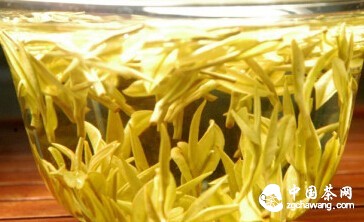
For semi-fermented teas such as white tea, yellow tea, and oolong tea, they can be brewed five to seven times. These teas have a clear and bright color, making them suitable for brewing in glass cups, offering a certain ornamental value.

For fully fermented teas like black tea and dark tea, they can be brewed more times. Given their higher degree of fermentation, it is generally acceptable to brew them about ten times.