Tea Roasting: A Phoenix Reborn from the Ashes
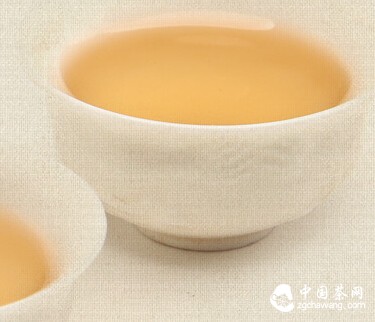
Charcoal-roasted tea should not be consumed within half a month after roasting to avoid causing internal heat. Although it can be drunk after half a month, the tea liquor is generally quite harsh. The more suitable period for drinking begins three months after roasting, when the liquor starts to become smoother. When stored for six months to a year, the liquor will become thick and smooth, and the quality will improve by another level. Therefore, the best time to enjoy it is after six months.
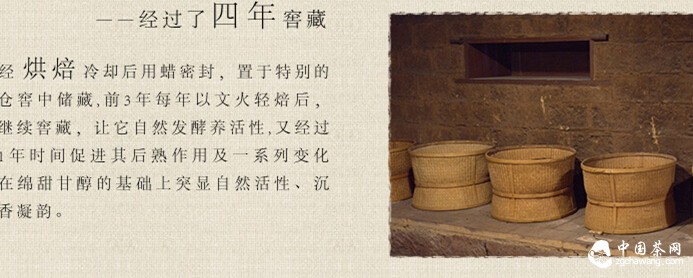
I. Definition of Charcoal-Roasted Tea
Charcoal-roasted tea belongs to the traditional craftsmanship system. A high-quality charcoal-roasted tea must possess two elements:
1. High-grade raw materials, which must be produced using traditional medium-fermentation techniques. The lightly fermented Tieguanyin commonly found on the market today does not meet the requirements; forcing a roast on such materials will result in a thin and tasteless liquor.
2. A highly skilled roasting expert must handle the process, typically requiring over ten years of roasting experience and a high level of technical ability. A less skilled roaster can easily scorch the tea.
II. Advantages and Disadvantages of Charcoal Roasting Process
Disadvantages of charcoal roasting: Low yield rate, even if the roaster is highly skilled, it is difficult to guarantee success. The advantage is that it can produce top-grade tea, and only charcoal-roasted tea can be considered truly premium.
Why charcoal roasting is difficult:
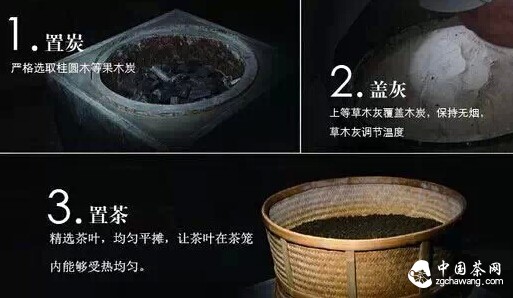
1) When using charcoal for heating, the temperature gradually increases over time. The roaster must know the correct time to cover the charcoal with ash and how much ash to use—too little results in high temperature, too much results in low temperature.
2) To monitor this process, the roaster must constantly watch the roasting basket, with each batch requiring 5 to 10 hours of roasting time. Young and restless individuals cannot endure this.
3) Selecting the right type of charcoal is very important and relies entirely on experience.
Without sufficient experience, the charcoal roasting method can easily scorch the tea leaves. Charcoal-roasted tea is best done using a dedicated roasting pit filled with charcoal, providing a long-lasting and even heat. In southern Fujian, the traditional old roasting pits have mostly been removed. In earlier times, large iron pots were used to hold charcoal for roasting, but this method has the disadvantage of rapid heat consumption and insufficient subsequent heat, making it difficult to produce top-grade tea.
III. Differences Between Charcoal Roasting and Electric Roasting
Electric roasting refers to using a tea roasting machine, powered by electricity, with temperature controlled by adjustment buttons. The advantage of electric roasting is that, provided the roaster is highly skilled, the yield rate can be 100%. It is also easier for new roasters to learn and explore. The disadvantage is that the effect is not as good, lacking the unique aroma of charcoal roasting.
Why electric roasting is easier: As long as you know the optimal temperature settings and the timing for raising or lowering the temperature, you simply turn the buttons—provided you know the ideal temperature. If the temperature is too high, a burnt flavor will appear; if too low, the result will also be unsatisfactory.
IV. Requirements for Raw Materials in Charcoal Roasting
Requirements for raw material processing
The raw materials must be produced using traditional techniques, which means they should possess characteristics such as floral, fruity, or caramel-like aroma, strong returning sweetness, and no bitterness or astringency. Lightly fermented raw materials commonly available on the market, even if of high grade, are not suitable as raw materials for roasting.
Although the raw materials for roasted tea also use traditional techniques, they differ from traditional-style clear-aroma Tieguanyin. Roasting raw materials require (during the withering and shaking process) medium fermentation, heavy sun-drying with light and repeated shaking. For quality, the ideal raw materials have a floral, fruity, or caramel-like aroma. The taste should be a thick liquor with a strong returning sweetness, without emphasis on freshness and greenness. In appearance, the leaves should be tightly knotted or rounded, with a dark black color (requiring large-pan stir-frying and hot wrapping and rolling in the process). In contrast, clear-aroma Tieguanyin must emphasize freshness and greenness, with floral notes being preferred, and the leaves are also preferably dark black in appearance.
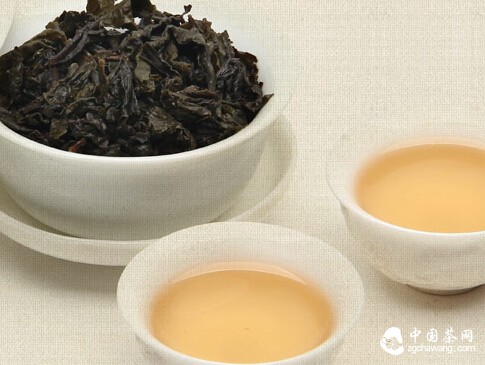
Is lightly fermented Tieguanyin suitable for roasting?
On the market, any Tieguanyin with a greenish appearance that has been lightly fermented is highly unsuitable as raw material for roasting. Forcing a roast on such material will result in a thin, tasteless liquor with no returning sweetness, as well as low or off aromas. Without good roasting skills and equipment, the product is often easily scorched or has a strong burnt taste.
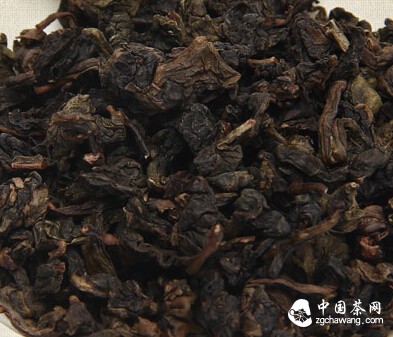
The common characteristics of this type of roasted tea are: a yellowish-brown rather than black appearance, and the dry leaves are strip-shaped rather than granular. The liquor tastes light and lacks fullness, with weak returning sweetness and poor endurance in infusions (roasted Tieguanyin typically lasts for 10 infusions). The infused leaves are generally broken and incomplete—this is one of the key indicators.
Different raw materials, different roasting levels
The following are standard principles for traditional roasting techniques:
First-grade raw materials: Light roasting, preserving the original character of Tieguanyin while adding roasted flavor, resulting in exceptional quality.
Second-grade raw materials: Medium roasting, to reduce slight bitterness and astringency.
Third-grade raw materials: High roasting, as such raw materials are generally more bitter and astringent, and high roasting can sufficiently eliminate these qualities.
The principle of roasting is: enhance its strengths, eliminate its weaknesses.
V. Health Benefits of Charcoal-Roasted Tea
Charcoal-roasted tea provides significant health benefits for the human body, including: anti-aging, anti-cancer, prevention of arteriosclerosis, elimination of fatty liver, prevention and treatment of diabetes, antibacterial and anti-diarrheal effects, and detoxification from tobacco, alcohol, and drugs. It also aids in weight loss and beauty, prevents tooth decay, clears heat and reduces internal heat, and refreshes the mind. Drinking one cup of charcoal-roasted tea daily for three consecutive months will reveal its special effects.
Charcoal-roasted tea warms the stomach, dispels cold, removes toxins, and nourishes the skin, with unique medicinal properties. Additionally, it is worth noting that due to its natural special health functions and non-toxic medicinal value, roasted tea has been rediscovered in recent years.
VI. Storage Time and Quality Changes of Charcoal-Roasted Tea
If stored for more than one year, it is best to re-roast it briefly. Generally, after two years, charcoal-roasted tea acquires medicinal properties and is the best remedy for gastrointestinal discomfort.
Note: Historically, people in southern Fujian often traveled overseas. In times when medicine was scarce, ancestors typically carried aged Tieguanyin tea with them. Even today, Chinese communities in Singapore, Malaysia, and Indonesia still maintain the tradition of drinking roasted Tieguanyin and aged tea.