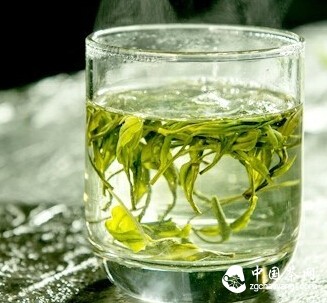
Green Tea Will Become the Latest Anti-Cancer Drug
In the list of cancer-preventing foods, green tea has always been at the top. A study from Singapore, recently reported by the British Daily Mail, adds another accolade: the beneficial substances in green tea can be refined into anti-cancer drugs, offering better tumor-fighting effects with fewer side effects.
According to the report, researchers from the Institute of Bioengineering and Nanotechnology in Singapore found that tea polyphenols, which are abundant in green tea, can combine with the anti-cancer drug Herceptin to form a stable and effective compound that directly targets the tumor site. Compared with Herceptin without tea polyphenols, this drug is more effective in controlling tumor growth and prolongs the drug's half-life in the blood, making it more durable. More notably, many traditional anti-cancer drugs have severe toxic side effects, while this combined drug has relatively fewer side effects.
The cancer-preventive effect of drinking green tea has long been confirmed. The Japanese, who love tea, conducted a 9-year survey and found that drinking 4 cups of green tea daily reduces cancer risk by 40%; studies in Europe and the United States have confirmed that green tea can reduce the risk of tumors in multiple sites, including the breast, prostate, lung, oral cavity, bladder, colon, stomach, and pancreas. A joint study by the State Key Laboratory of Genetic Engineering at Fudan University and the Johns Hopkins University School of Medicine found that green tea has a significant detoxifying effect on the toxic side effects of anti-cancer drugs. Cancer patients who drink more green tea while taking the anti-cancer drug daunorubicin can greatly enhance its efficacy.
In addition to cancer prevention and treatment, green tea has many other health benefits, making it a "super drink."
Protecting eyesight. A 2010 U.S. study found that various compounds in green tea have protective effects on eye tissues, especially those related to the cornea.
Preventing dementia. Elderly people over 70 who drink an average of 4 cups of green tea daily have a 44% reduced risk of developing depressive symptoms; those who drink more than 2 cups of green tea daily have half the risk of dementia compared to peers who drink less than 3 cups per week. This conclusion comes from a study by Tohoku University in Japan, which followed over 14,000 people aged 65 and older for 3 years.
Anti-infection and antibacterial. A study published in the Proceedings of the National Academy of Sciences reported that theanine, abundant in green tea, can enhance the body's ability to fight infections by 5 times; gargling with green tea can effectively prevent gum bleeding and tooth decay.
Strengthening the heart. Another study by Tohoku University found that compared to men who drink less than 1 cup of green tea daily, men who drink more than 5 cups daily have a 22% reduced risk of death from cardiovascular disease, while women have a 31% reduced risk.