Never Drink Tea Again, I'm Serious!
This article humorously lists various "reasons" not to drink tea, such as how it makes other beverages seem inferior, helps with weight control, leads to collecting teaware, fosters appreciation for refined elegance, encourages face-to-face communication over phones, inspires travel to tea-culture d...
Tea News · Jun 21, 2026

Not Everyone Knows the Correct Way to Drink Tea!
Drinking tea is a long-standing tradition in China, but not everyone knows the correct way to do it. The complete presentation of tea ceremony procedures is even rarer. Tea ceremony is a spiritual treasure left by our ancestors. By promoting it, we are doing something beautiful. The thirteen steps o...
Tea News · May 17, 2026
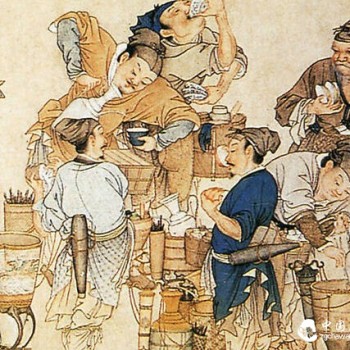
Tea Competition: A Unique Way to Savor the Fragrance of Tea
Tea competition, also known as tea battle, originated in the Tang Dynasty and flourished in the Song Dynasty. It was a refined activity loved by all classes and, together with incense burning, flower arranging, and painting hanging, was regarded as one of the "Four Arts" of the Song Dynasty. Partici...
Tea News · Apr 24, 2026
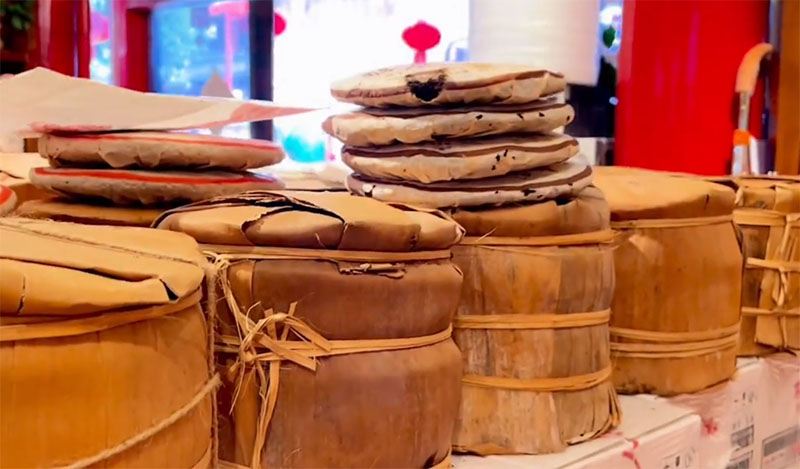
The First in Ancient and Modern Times, Tea Emperor and Tea King: Emperor Huizong of Song and Song Dynasty Tea
Emperor Huizong of Song can be considered the only 'Tea Emperor' in Chinese history. Unlike other emperors who merely had a particular fondness for drinking tea, Huizong himself was highly skilled in the art of tea, possessing rich practical experience. He authored a specialized treatise on tea art...
Tea News · Apr 02, 2026
How to Rinse Tea Before Drinking? Three Key Points to Avoid Misoperation
Rinsing tea, a common practice before brewing, involves discarding the first infusion. Originally symbolic of washing away worldly dust, it now serves functional purposes such as awakening the tea leaves, removing impurities, and adjusting temperature. However, improper rinsing can wash away the tea...
Tea News · Mar 21, 2026
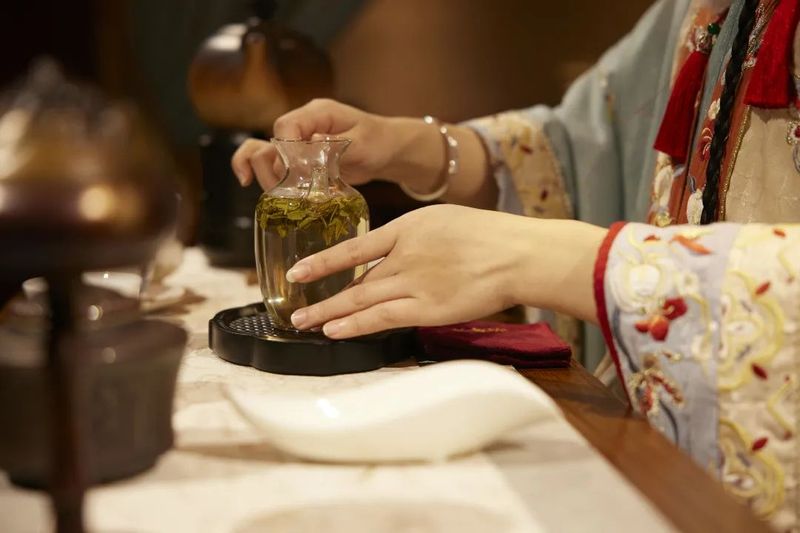
Is Pu-erh Tea More Worth Collecting the More Bitter It Is?
Many tea enthusiasts have heard that a new tea's bitterness indicates it is worth collecting, as it suggests rich internal substances and good potential for aging. However, is a Pu-erh tea more valuable for collection simply because it is more bitter? The bitter and astringent tastes in tea mainly c...
Tea News · Mar 11, 2026
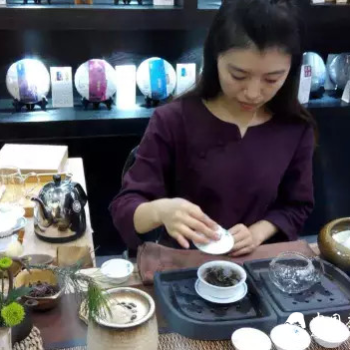
Tea Matters | The Reasons and Origins of "Washing Tea"
When brewing tea in a teapot, it is customary to discard the first infusion, a practice known as "washing tea." Many explain this as a way to rinse away impurities like dust or tea residue from the leaves, considering those who skip this step as "unhygienic" or "lacking tea art knowledge." However,...
Tea News · Jan 13, 2026
Water for Tea Tasting
The evaluation of tea quality relies heavily on the water used for brewing, as its hardness, clarity, and purity significantly impact the tea soup's color, aroma, and taste. Traditional Chinese tea culture emphasizes the careful selection of water, viewing it as an essential element that interacts w...
Tea News · Jan 08, 2026
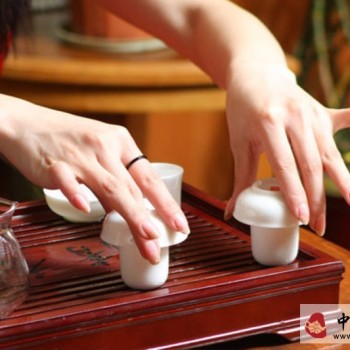
Summary of Chinese Oolong Tea Ceremony
The Chinese Oolong tea ceremony is a refined and ritualistic practice that embodies the profound cultural heritage of Chinese tea art. It consists of a series of meticulously ordered steps, from preparing the utensils and selecting the tea leaves to the precise brewing and serving techniques. Key pr...
Tea News · Dec 15, 2025
Xiao Chen on Tea: The Emperor's New Clothes - Tea Qi
Xiao Chen, a tea enthusiast from Shanghai, began learning tea art at eight and tea evaluation in his youth. He frequently visits major tea markets and shares his reflections in 'Tea Words Observing the World.' He argues that discussing tea must first be grounded in proper principles to truly appreci...
Tea News · Dec 07, 2025