Catechin is the main component of tea polyphenols, accounting for 12%–18% of the dry matter of tea leaves and 70% of the polyphenols. We all know that tea has antioxidant properties, which is due to the tea polyphenols. Therefore, the content of catechins in tea is directly related to the quality of the tea. By understanding catechins, we can better select the tea for ourselves.
The editor will show you the relationship between catechins and tea quality.
1. Catechins are the main source of the bitter and astringent taste of green tea.
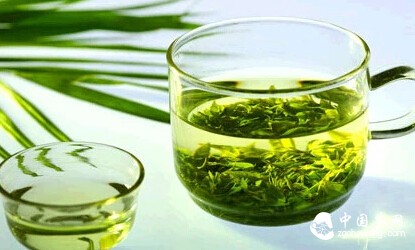
Catechins contain complex catechin substances, which are characterized by strong astringency, strong irritation, and a heavy bitter taste. The processing technology of green tea uses high temperature to kill polyphenol oxidase, preventing the oxidation of catechins and retaining more of them. Therefore, high-quality green tea has a low degree of oxidation and a relatively complete retention of catechins. When brewed and consumed, catechins dissolve in the tea soup, giving green tea astringency and bitterness.
2. The oxidation products of catechins—theaflavins and thearubigins—are the main components responsible for the red color of black tea soup, and also the main components of the concentration and strength of black tea soup.
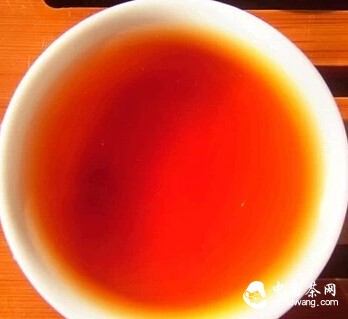
The processing of black tea is designed to oxidize catechins, reducing or even eliminating the bitter and astringent taste in the tea leaves.
3. The auto-oxidation of catechins is the main cause of the aging phenomenon of green tea during storage, causing the tea leaves to turn from green to yellow and the tea soup to turn from green to yellow-red.
Catechins are natural precipitants of protein. Therefore, do not consume protein foods at the same time as drinking tea, as it may cause precipitation and hinder digestion.