Tea Lovers, Come Answer the Questions!
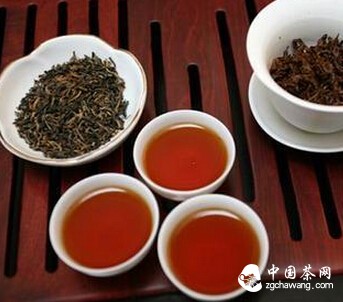
Brewing black tea buds is not limited to medium to low temperature water. It depends on the tea variety and base quality. For example, Jin Jun Mei from Tongmuguan or wild tea buds from Qimen and Tanyang areas, though all made from buds, grow at high altitudes of a thousand meters or in unique ecological environments with excellent base quality. Brewing with relatively high temperatures can better release the tea’s aroma and allow its inner qualities to be more fully expressed.
2. How are China's tea regions currently distributed?
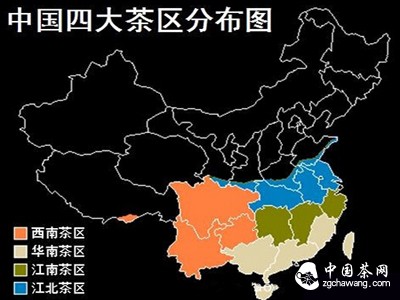
China's tea regions are now divided into four major areas: South China, Southwest, Jiangnan, and Jiangbei. Tea is distributed across nearly a thousand counties (and cities) in 19 provinces, including newly developed and successfully cultivated areas in Shandong, Gansu, and Tibet.
3. Why is there a significant difference in flavor between tea from sunlit and shaded sides of the same mountain?
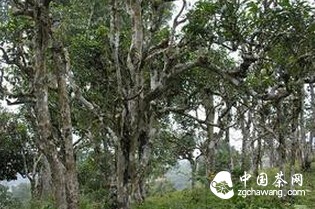
Relatively speaking, tea plants that receive sufficient light and temperature conditions for growth have higher levels of phenolic substances in their fresh leaves. Tea plants growing in shady or cold areas have higher protein and amino acid content. Therefore, different light conditions have a significant impact on the tea.
4. Is more "golden flower" (jin hua) in Fu brick dark tea always better?
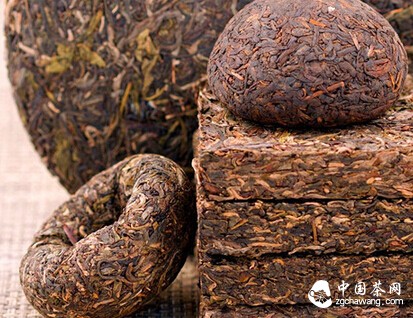
Inside Fu brick tea, a large number of golden spots appear, commonly known as "golden flowers" or "yellow flowers," scientifically named Eurotium cristatum. It is generally believed that the more golden flowers, the better the quality. Flower formation enhances the brick tea's aroma, makes the liquor bright yellow-red, and strengthens the tea's medicinal and health benefits.
5. How does the withering process differ between oolong tea and black tea?
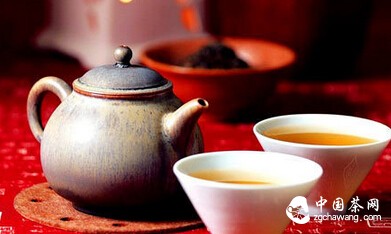
Withering mainly includes indoor cooling, sun-withering, and machine heating methods. The uniqueness of oolong tea withering lies in its difference from black tea withering. Black tea withering involves a high degree of moisture loss, and the processes of withering, rolling, and fermentation are carried out separately. In contrast, oolong tea's fermentation and withering are not separated; they interrelate and proceed together, with alternate cycles of shaking and cooling. Through the withering process, moisture changes are controlled to allow proper transformation of internal substances, achieving the desired degree of fermentation.
6. Why are the fine hairs on green tea white instead of green?
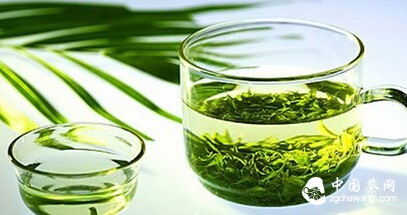
Pure catechins are colorless. In the green tender hairs, because they have not undergone oxidation, the hairs appear white.
7. Why do teas have different aromas such as floral, fruity, and caramel?
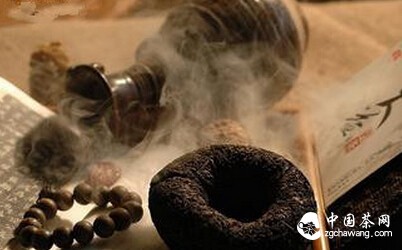
Aromas like floral, fruity, and sweet are the comprehensive responses and coordinated sensations of human olfactory or taste organs to various aroma components. The fragrance emitted by tea involves not only the types of aroma components such as alcohols, aldehydes, and ketones but also the ratios of these components. Many pungent or unpleasant-smelling substances, if present in trace amounts and working synergistically with other aroma components, can sometimes become beloved fragrances.