Tasting tea is a comprehensive art. There is no absolute good or bad tea; it entirely depends on personal taste preferences. Among teas, there is high-grade Xinyang Maojian and low-grade Xinyang Maojian; there is superior black tea and inferior black tea. The so-called quality of tea is based on comparing grade levels and subjective preferences.
Generally speaking, judging the quality of tea can start from observing the tea leaves, smelling the tea aroma, tasting the tea flavor, and examining the tea dregs.
1. Observe the tea (Examine the tea leaves)
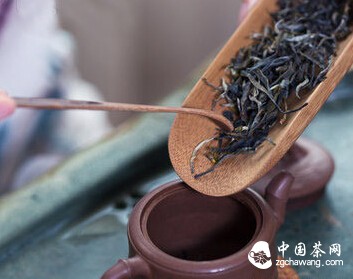
Examining the tea leaves means appreciating the shape changes of the dry tea and the tea after infusion. Dry tea refers to unbrewed tea; infusion refers to pouring boiling water over dry tea to bring out its inner qualities.
The shape of tea varies with different types, including flat, needle, spiral, eyebrow, pearl, ball, half-ball, flake, curved, orchid, sparrow tongue, chrysanthemum, naturally curved, etc., each with graceful postures. After infusion, the tea leaves undergo various changes, fast or slow, like graceful dance movements, eventually revealing their original form, which is pleasing to the eye.
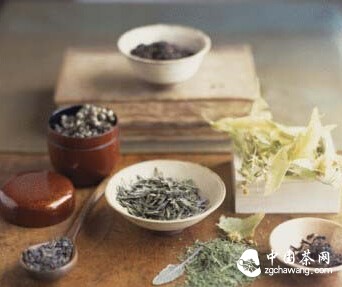
When observing dry tea, check its dryness. If it feels slightly soft, it is best not to buy it. Also, look at whether the tea leaves are neat. If there are too many stems, yellow leaves, fragments, or impurities, it is not top-grade tea. Then, examine the shape of the dry tea. The shape is formed by rolling the tea, and each tea has a fixed shape specification. For example, Longjing tea is sword-shaped, Dongding tea is rolled into a half-ball shape, Tieguanyin is tightly rolled into a ball, and jasmine tea is cut into thin strips or broken pieces.
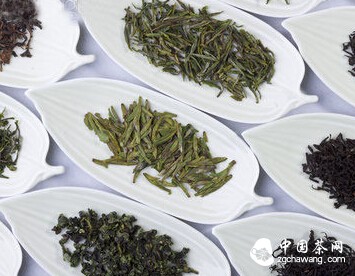
Due to different production methods, tea tree varieties, and picking standards, the shapes of tea leaves are very rich and varied. Especially for some fine and tender famous teas, most are handmade, resulting in a colorful and diverse range of shapes.
(1) Needle shape—round and straight like a needle, e.g., Nanjing Yuhua tea, Anhua Songzhen, Junshan Yinzhen, Baihao Yinzhen, etc.
(2) Flat shape—flat and straight, e.g., West Lake Longjing, Maoshan Qingfeng, Anji Baipian, etc.
(3) Strip shape—slightly curved strip, e.g., Xinyang Maojian, Guiping Xishan tea, Jingshan tea, Lushan Yunwu, etc.
(4) Spiral shape—curled like a spiral, e.g., Dongting Biluochun, Linhai Panhao, Putuo Buddha tea, Jinggang Cuilu, etc.
(5) Orchid shape—shaped like an orchid, e.g., Taiping Houkui, Orchid tea, etc.
(6) Flake shape—shaped like a flake, e.g., Lu'an Guapian, Qishan Mingpian, etc.
(7) Bundle shape—shaped like a bundle, e.g., Jiangshan Green Peony, Wuyuan Moju, etc.
(8) Pearl shape—shaped like a pearl, e.g., Quangang Huibai, Yongxi Huohuo, etc.
In addition, there are half-moon shapes, curled shapes, single-bud shapes, and so on.
2. Observe the color
Tasting tea and observing color means looking at the tea color, liquor color, and infused leaf color.
(1) Tea color
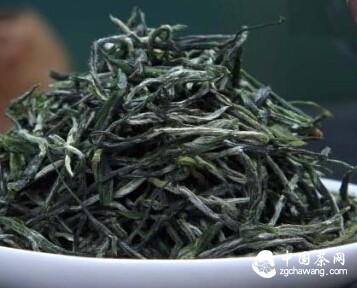
Tea is classified into six major categories by color: green tea, yellow tea, white tea, oolong tea, black tea, and dark tea (referring to dry tea). Due to different production methods, the colors vary, including red and green, green and yellow, white and black. Even for the same tea with the same production process, there may be slight color differences due to tea tree variety, ecological environment, and picking season.
For example, fine high-grade green tea has colors ranging from tender green, emerald green, to glossy green; high-grade black tea has colors ranging from bright red to glossy dark red with a visible red tint.
(2) Liquor color
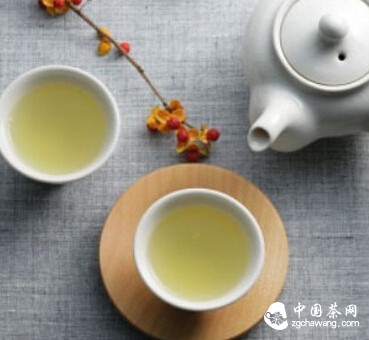
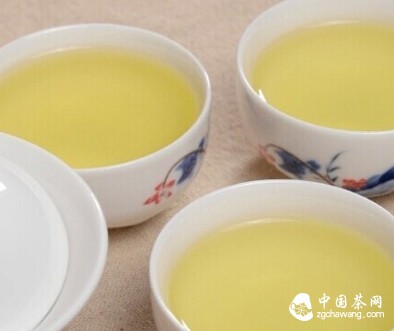
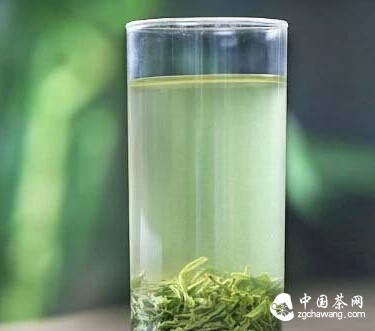
The color presented by the solution of components dissolved in boiling water after brewing tea is called the liquor color. Therefore, different tea types have distinctly different liquor colors; even within the same tea type, different varieties and grades show some differences. Generally, top-quality teas have bright, glossy liquor. Specifically, green tea liquor is light green or yellow-green, clear without turbidity, bright and transparent; black tea liquor is glossy black and oily, and if a golden oil ring forms around the tea soup, commonly known as a "golden ring," it is even more superior; oolong tea is best when it is green-brown and glossy; white tea liquor is slightly yellow, with yellow showing in green, and has a shine.
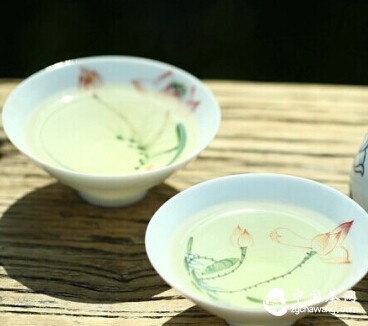
Place an appropriate amount of tea leaves in a glass cup, or in a transparent container, and pour hot water over them. The leaves will slowly unfold. You can brew several cups at the same time to compare the quality of different teas. The tea that unfolds smoothly, releases its essence most vigorously, and has the softest, most graceful leaves is the best tea.
Observe the tea liquor quickly and promptly. The color of the tea liquor varies in depth depending on the degree of fermentation and the level of roasting. However, there is a common principle: regardless of the depth of color, it must not be cloudy or dull. Clear and transparent is the condition that good tea liquor should have.
(3) Infused leaf color
This refers to appreciating the color of the leaves left after the tea has been brewed and the liquor removed. Besides looking at the color of the infused leaves, you can also observe their tenderness, smoothness, uniformity, etc.
Generally, as the temperature of the tea liquor decreases, the color gradually deepens. At the same temperature and time, the color change of black tea liquor is greater than that of green tea, large-leaf varieties greater than small-leaf varieties, tender tea greater than older tea, and new tea greater than aged tea. The color of the tea liquor is best observed within 10 minutes after filtering it out to best represent the original color of the tea. However, remember that when making comparisons, you must compare the same type of tea.
3. Appreciate the posture
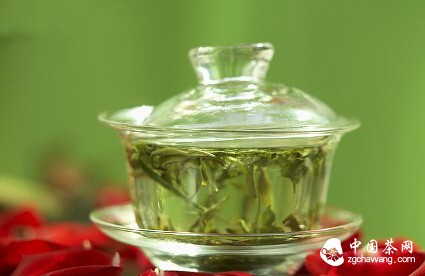
During the brewing process, the tea absorbs water, becomes moist, and unfolds, resembling spring bamboo shoots, or sparrow tongues, or orchids, or ink chrysanthemums. At the same time, due to gravity, the tea leaves create a sense of movement during the water absorption process. When Xinyang Maojian unfolds, each leaf blooms brilliantly. Such beautiful scenes, reflected in the cup of water, give a feeling of being intoxicated without drinking; when Taiping Houkui unfolds, it resembles a clever little monkey, tumbling up and down in the water; when Junshan Yinzhen unfolds, it looks like emerald bamboo shoots vying for the sun, each needle standing upright.
4. Smell the aroma
Appreciating the tea aroma generally involves three smells. First, smell the aroma of the dry tea (dry smell); second, smell the tea's inherent aroma fully displayed after brewing (hot smell); third, smell the persistence of the tea aroma (cold smell).
First, smell the dry tea. Some dry teas have a fresh aroma, some a sweet aroma, some a roasted aroma. This should be done before brewing. For example, green tea should be fresh and refreshing, black tea strong and pure, scented tea fragrant, and oolong tea rich and elegant. If the tea aroma is low and heavy, with burnt, smoky, sour, musty, stale, or other off-odors, it is inferior.
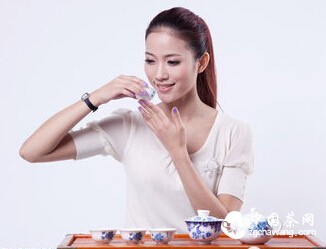
The method of smelling is mostly wet smelling. After brewing the tea, depending on the type, wait 1 to 3 minutes, then bring the cup to your nose and smell the aroma emitted from the surface of the tea liquor; if using a cup with a lid, you can smell the aroma on the lid and the surface; if using an aroma cup as an intermediate vessel (like Taiwanese oolong tea brewing), you can also smell the cup aroma and surface aroma. Additionally, as the tea liquor temperature changes, the tea aroma has hot, warm, and cold smells. The focus of hot smelling is to distinguish whether the aroma is normal, the type of aroma, and its intensity; cold smelling judges the persistence of the tea aroma; warm smelling focuses on identifying the elegance or coarseness of the tea aroma. Generally, green tea with a fresh, refreshing scent, even with fruity or floral notes, is considered good; black tea with a fresh or floral aroma is superior, especially with a strong, persistent aroma; oolong tea with a rich, ripe peach-like aroma is best; scented tea with a pure, fragrant aroma is excellent.
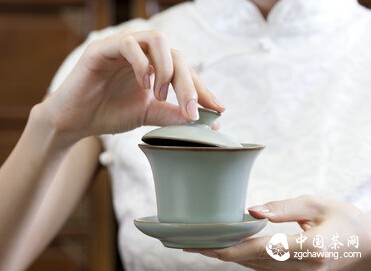
There are also three methods for hot smelling: first, smelling the aroma from the steaming vapor; second, smelling the aroma left on the cup lid; third, using an aroma cup to slowly savor the aroma left at the bottom of the cup. For example, Anxi Tieguanyin has a strong natural floral aroma after brewing, black tea has a sweet and fruity aroma, green tea has a fresh aroma, and scented tea has different natural floral aromas besides the tea aroma. The aroma of tea is related to the freshness of the raw materials and the skill of the production technology. The finer the raw materials, the more aromatic substances they contain, and the higher the aroma.
Cold smelling is done after the tea liquor has cooled. At this time, you can detect other odors that were previously masked by the tea's aromatic compounds.
5. Taste the flavor
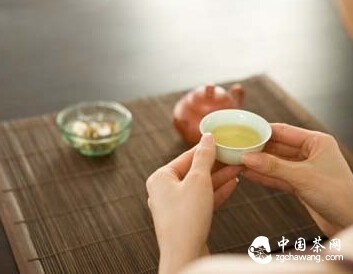
This refers to tasting the flavor of the tea liquor. The flavor of tea liquor is the comprehensive result of various taste substances such as sweetness, bitterness, astringency, sourness, spiciness, fishiness, and freshness. If their quantities and proportions are suitable, the flavor becomes mellow and delicious, with an endless aftertaste. The best tea flavor is slightly bitter with a lingering sweetness. Good tea tastes mellow, thick, and active; after drinking, a sweet, moist sensation lingers in the throat for a long time.
It is generally believed that green tea has a fresh, mellow, and refreshing flavor; black tea has a thick, strong, and brisk flavor; oolong tea has a rich, mellow, and sweet aftertaste. These are important signs of top-quality tea. Since different parts of the tongue have different sensitivities to taste, when tasting, the tea liquor should be rolled around the tongue to correctly and comprehensively distinguish the tea flavor.
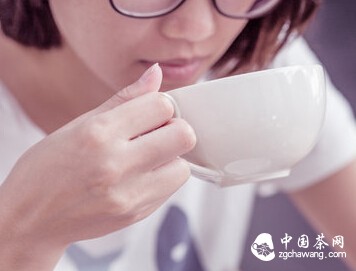
When tasting the flavor, the tongue posture must be correct. After drawing the tea liquor into the mouth, press the tip of the tongue against the upper front teeth roots, slightly open the lips, lift the tongue slightly, allowing the tea liquor to spread over the middle of the tongue, then use abdominal breathing to slowly inhale air through the mouth, causing the tea liquor to roll slightly on the tongue. After inhaling twice, distinguish the flavor. If the tea liquor initially tastes bitter, raise the tongue position and press the tea liquor toward the tongue root to further assess the degree of bitterness. For tea liquor with a smoky taste, after drawing it into the mouth, close the lips, press the tip of the tongue against the upper palate, inhale through the nostrils, enlarge the mouth cavity to allow full contact between air and tea liquor, then exhale through the nostrils. Repeat this two or three times for a clear judgment of the smoky taste.