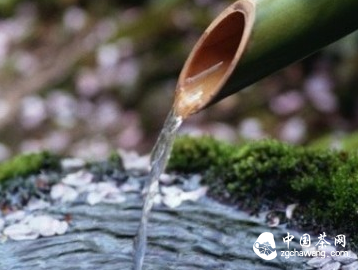
Drinking tea is something that can be either simple or complicated. Boiling water, pouring water, adding tea leaves—it is straightforward and everyone can do it. However, mastering the art of brewing is not an easy task.
When buying tea, we often find that the same tea tastes crisp and has a long-lasting sweetness when tried at the store, but when brewed at home, the flavor is always somewhat inferior. At such times, we often suspect the merchant of swapping the product.
But as long as you buy from a reputable source, this possibility is not high. The difference in taste is more likely due to brewing methods, and the water used for brewing is a crucial factor.
We encounter various types of water daily—rivers, lakes, seas, rain, snow, and tap water. Water quality directly affects the quality of the tea infusion. So, which types of water are suitable for brewing tea?
1. Tap Water
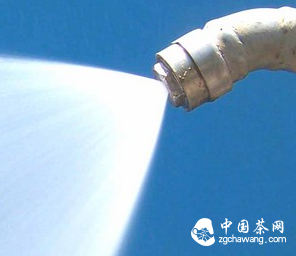
Let’s start with the most common: tap water. City dwellers are familiar with this type of water. In fact, it is mostly groundwater that has been purified and disinfected by water treatment plants, altering its quality. It generally meets drinking water standards. Tap water is usually hard or temporarily hard. When used to brew tea, it can oxidize the polyphenols in the tea, affecting the color and diminishing the flavor.
Although tap water is not the first choice for brewing tea, it is very convenient. Therefore, we can treat it slightly before use. We can boil it longer, then let it sit for a while. Boiling tap water precipitates calcium, magnesium, iron, and aluminum ions, and also releases chlorine and oxygen. Alternatively, using magnetic water conditioners or pure water systems can soften the water. Softer, purer tap water is suitable for brewing tea.
2. Spring Water
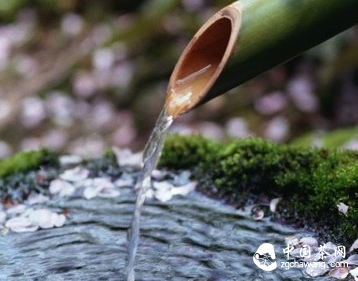
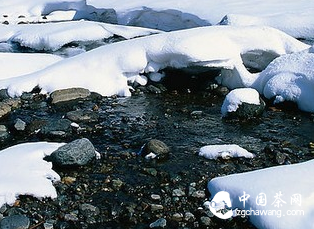
Spring water is considered by Lu Yu as the best water for tea. It comes from rocky mountains with lush vegetation. Formed from mountain rock faults and collected into springs, it is rich in beneficial trace elements and filtered through sand and gravel, making it clear, crystalline, and low in chlorides. Therefore, using such water to brew tea brings out the color, aroma, taste, and shape of the tea to the fullest.
However, spring water is not readily available everywhere. We cannot travel thousands of miles just to fetch spring water for tea. Thus, for most tea drinkers, the choice of water depends on circumstances and availability. Some mineral waters can achieve the same effect as spring water. If possible, choosing spring water for brewing tea is a great option.
3. River, River, and Lake Water
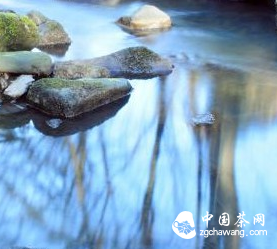
These are surface waters. From a health preservation perspective, they contain few minerals, often have more impurities, high turbidity, and are more polluted. The situation is complex, so these waters are not ideal for brewing tea.
However, readers of The Classic of Tea will recall a passage: "For river water, take it from places far from people." That is, river water collected far from human habitation and less polluted can be used for brewing tea. At Jiaoshan in Zhenjiang, there is a poem by Zheng Xie: "Fetch river water to brew new tea, buy all the green mountains as a painted screen." These are things of the past. Although our country has vast land and abundant rivers and lakes, the water suitable for brewing tea is becoming increasingly scarce.
4. Snow and Rainwater
In Dream of the Red Chamber, there is a description of brewing tea with snow water. Snow water was praised by the ancients as "heavenly water" and was beloved by ancient literati and tea enthusiasts. This is because natural waters like rain and snow are relatively pure, although they pick up dust, nitrogen, oxygen, carbon dioxide, and other substances during their fall. Their salt content and hardness are very low, producing a tea infusion with a bright color, excellent aroma, and lingering aftertaste.
However, this cannot be generalized. For example, during the rainy season, gentle breezes and drizzle promote microbial growth, resulting in inferior tea quality. Summer thunderstorms often bring sand and dust, making the water impure and the tea infusion cloudy, unsuitable for drinking. Therefore, we can no longer follow ancient water selection standards for brewing tea, as our ancestors could never have imagined today’s traffic and concrete jungles, which are everywhere emitting pollution.
5. Well Water
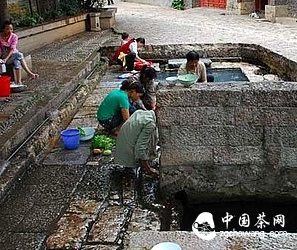
Well water is groundwater, with low suspended solids and high transparency. However, during its infiltration through the earth, it absorbs many minerals and salts, making its salt content and hardness relatively high. In urban areas, well water is often polluted. Using such water for brewing tea impairs the flavor. Generally, it is not recommended.
But this cannot be generalized. Some well water has a sweet taste and is excellent for brewing tea. The famous Baisha Well in Changsha, Hunan, is well-known. It springs from sandstone, has good water quality, and flows year-round. When used to brew tea, the aroma and flavor are excellent. The quality of well water depends on the surrounding environment. If the environment is good and the well is deep and frequently drawn, the water can be used for brewing tea.
In summary, no single water suits all teas, and no single tea suits all waters. Moreover, good water and water suitable for brewing tea are not the same concept. Some famous waters taste great on their own but do not brew tea well.
For general tea tasting, as long as the water is clean, sweet, clear, and odorless, it is fine.
For tasting famous teas, it is best to use spring water from the region where the tea is produced.