Drinking tea is not only about choosing the right variety but also about the right timing. We all know that drinking tea before bed is not advisable, as it can affect sleep. Similarly, drinking tea on an empty stomach is also unsuitable. Below, we will take a closer look at the situations when tea should be avoided.
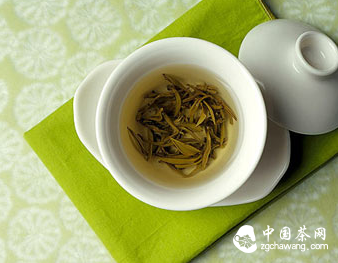
1. Avoid drinking tea on an empty stomach
Drinking tea on an empty stomach dilutes gastric acid, inhibits gastric juice secretion, and hinders digestion. It can even cause symptoms such as palpitations, headaches, stomach discomfort, blurred vision, and irritability—known as "tea drunkenness." It also affects protein absorption and may lead to gastric mucosal inflammation. If "tea drunkenness" occurs, sucking on candy or drinking some sugar water can help alleviate it.
2. Avoid drinking tea when intoxicated
Tea leaves have a stimulating effect on the central nervous system. Drinking strong tea after alcohol intoxication can increase the burden on the heart. Tea also promotes diuresis, causing toxic aldehydes in alcohol to be excreted by the kidneys before they are fully broken down, which irritates the kidneys and harms health. Therefore, people with heart or kidney diseases or poor function should avoid drinking tea, especially large amounts of strong tea. For healthy individuals, a small amount of strong tea is acceptable. To recover from intoxication, consuming plenty of fruit or sipping vinegar can speed up metabolism and alleviate the effects.
3. Avoid drinking tea before sleep
It is best not to drink tea within two hours before bedtime. Drinking tea can stimulate the mind, affect sleep, and even cause insomnia. This is especially true for freshly picked green tea, which is highly likely to cause nervous excitement and insomnia. If you particularly enjoy tea or need to drink it with friends, it is recommended to choose white tea or black tea, and make it light.
4. Avoid drinking tea when taking medication
Medications vary widely in type and nature, and whether they can be taken with tea cannot be generalized. Tannins and theophylline in tea can chemically interact with certain drugs. Therefore, when taking sedatives, tranquilizers, iron supplements, enzyme preparations, or protein-containing medications, tea should not be used to swallow the medicine, as tea polyphenols easily react with iron to form precipitates, affecting drug efficacy. Certain Chinese herbs such as ephedra, uncaria, and coptis should also not be mixed with tea. It is generally believed that tea should be avoided within two hours of taking medication. However, for certain vitamins, tea has no effect on efficacy—in fact, tea polyphenols can promote the accumulation and absorption of vitamin C in the body.